Stucco vs Siding Exterior Comprehensive Guide to Materials, Style, and Performance
When it comes to home exteriors, one of the most common debates is stucco vs siding exterior. Both options are widely used, yet they serve different purposes depending on climate, architectural style, and homeowner preference. Stucco has been a traditional finish for centuries, particularly in Mediterranean, Southwestern, and Spanish-style homes, while siding, available in materials like vinyl, wood, and fiber cement, has become the go-to option for versatility and modern appeal.
Understanding the differences between stucco and siding is essential for making an informed decision. Factors such as durability, cost, aesthetics, maintenance, and energy efficiency all play a role. This guide breaks down each aspect in detail while providing real-world examples and practical insights.
Understanding Stucco Exterior
What is Stucco?
Stucco is a cement-based plaster applied in multiple layers over a lath system, which can be made of wood or metal. Known for its textured appearance, stucco is durable, fire-resistant, and capable of lasting decades when installed properly. Its natural look blends seamlessly with Mediterranean and Southwestern architectural designs, making it a favorite in warm, dry regions.
Stucco also provides a monolithic finish, meaning it covers the entire exterior without visible seams. This creates a uniform, solid look that many homeowners find visually appealing. However, stucco does require careful installation and maintenance to avoid issues such as cracking.
Advantages of Stucco Exterior
Stucco’s biggest advantage is its longevity. A well-maintained stucco exterior can last up to 50 years. It is also energy efficient because the thick layers provide insulation, keeping homes cooler in summer and warmer in winter.
Additionally, stucco is resistant to fire, pests, and rot, making it a durable option for homeowners looking for long-term protection. Its ability to accept different pigments and finishes also allows for customization in terms of color and texture.
Understanding Siding Exterior
What is Siding?
Siding refers to cladding materials attached to the exterior walls of a home. Unlike stucco, siding is typically installed in panels or planks. Popular siding materials include vinyl, wood, fiber cement, and engineered wood. Each material has unique properties, but the main purpose of siding is to protect the structure while enhancing curb appeal.
One of siding’s key strengths is versatility. It can mimic the appearance of wood, stone, or even stucco, while providing a range of colors and styles. This makes siding suitable for modern, traditional, and transitional home designs.
Advantages of Siding Exterior
Siding is easier and faster to install compared to stucco, making it a preferred choice for homeowners who want efficiency. Many siding materials, such as vinyl and fiber cement, are also low-maintenance and highly resistant to weather.
Another advantage is repairability. If a section of siding is damaged, it can usually be replaced without disturbing the rest of the home’s exterior. This makes siding a practical solution for areas prone to storms or impact damage.
Key Differences Between Stucco and Siding
Durability and Lifespan
Stucco is extremely durable when installed in dry climates. However, in regions with frequent rainfall or freezing temperatures, it may be prone to cracking. Siding, especially fiber cement and engineered wood, performs better in variable climates and can resist moisture damage more effectively.
While stucco can last 50 years with proper care, siding’s lifespan varies by material-vinyl can last up to 30 years, fiber cement up to 50 years, and wood siding around 20-40 years, depending on maintenance.
Aesthetics and Style
Stucco offers a classic, textured appearance that suits Mediterranean, Spanish, or Southwestern architecture. Siding, on the other hand, provides more versatility in style, with options ranging from sleek modern panels to rustic wood looks.
Homeowners often choose stucco for timeless elegance and siding for flexibility and customization. Both finishes can significantly improve curb appeal, but the choice depends largely on personal preference and the architectural style of the property.
Benefits of Using Technology in Stucco and Siding
Modern technology has transformed the way stucco and siding are manufactured and installed.
For stucco, advanced polymer additives improve flexibility and reduce cracking, addressing one of the most common concerns. Stucco application tools have also evolved, ensuring smoother finishes and better adhesion. Some stucco systems now incorporate insulation boards, improving thermal performance.
In siding, fiber cement and engineered wood are products of modern innovation. Fiber cement combines cement, sand, and cellulose fibers to create a material that mimics natural wood while resisting fire, pests, and rot. Similarly, vinyl siding is now produced with UV-resistant coatings to prevent fading, ensuring long-lasting color vibrancy.
Homeowners can also benefit from 3D design software, which allows them to visualize how stucco or siding will look on their homes before installation. This eliminates guesswork and enhances design accuracy.
Real-World Examples of Stucco and Siding
1. Stucco on a Spanish Revival Home
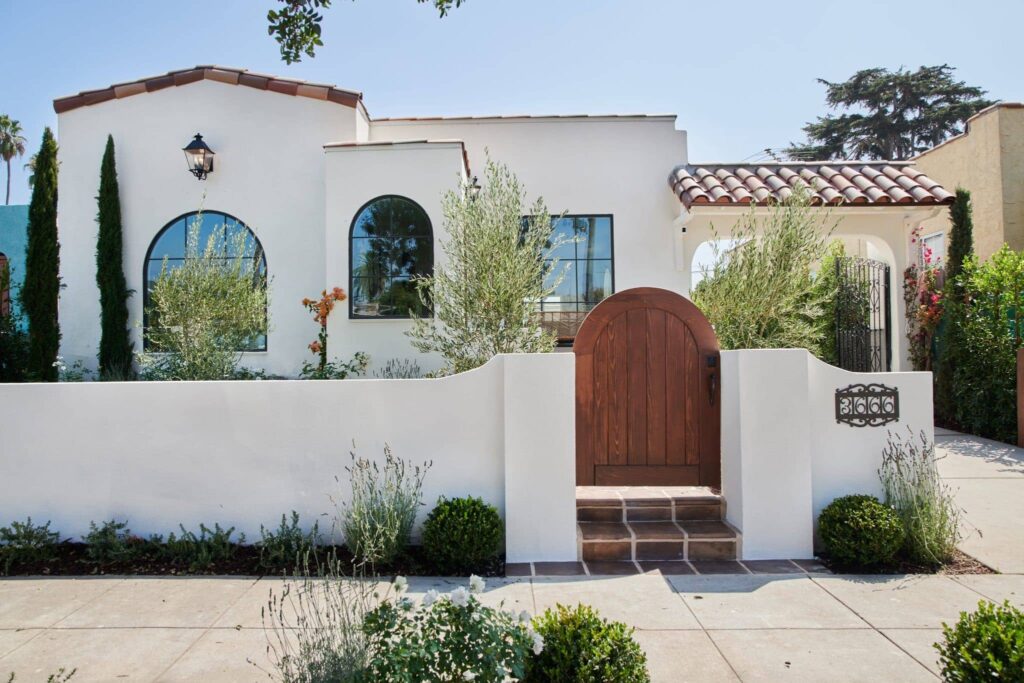
A Spanish Revival residence in California features smooth white stucco walls paired with terracotta roof tiles. This design reflects authenticity and timeless beauty while blending with the warm climate. The stucco provides natural insulation, reducing cooling costs in the summer.
This project demonstrates how stucco supports traditional architectural styles and enhances energy efficiency in hot regions.
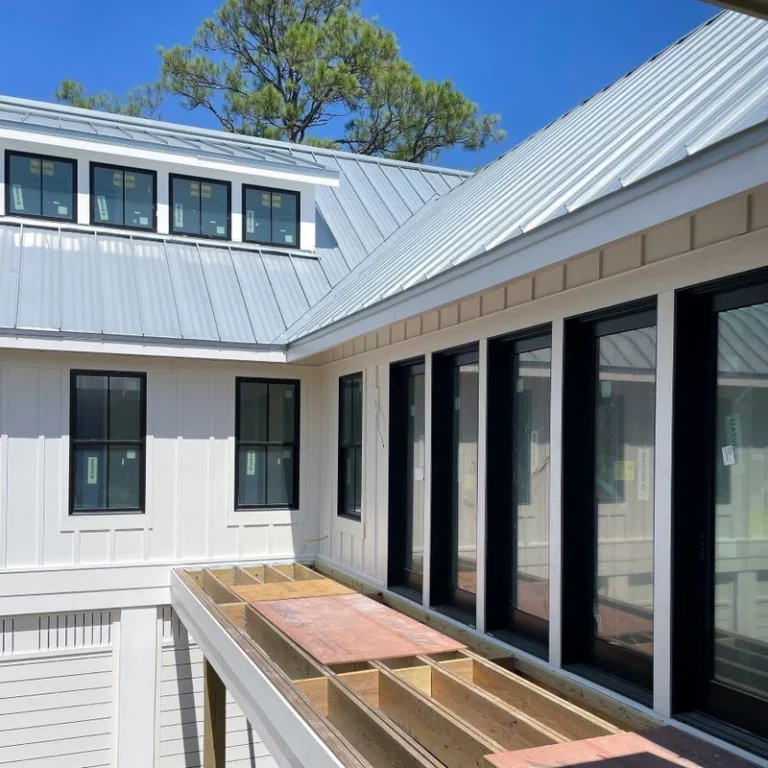
2. Fiber Cement Siding on a Modern Farmhouse

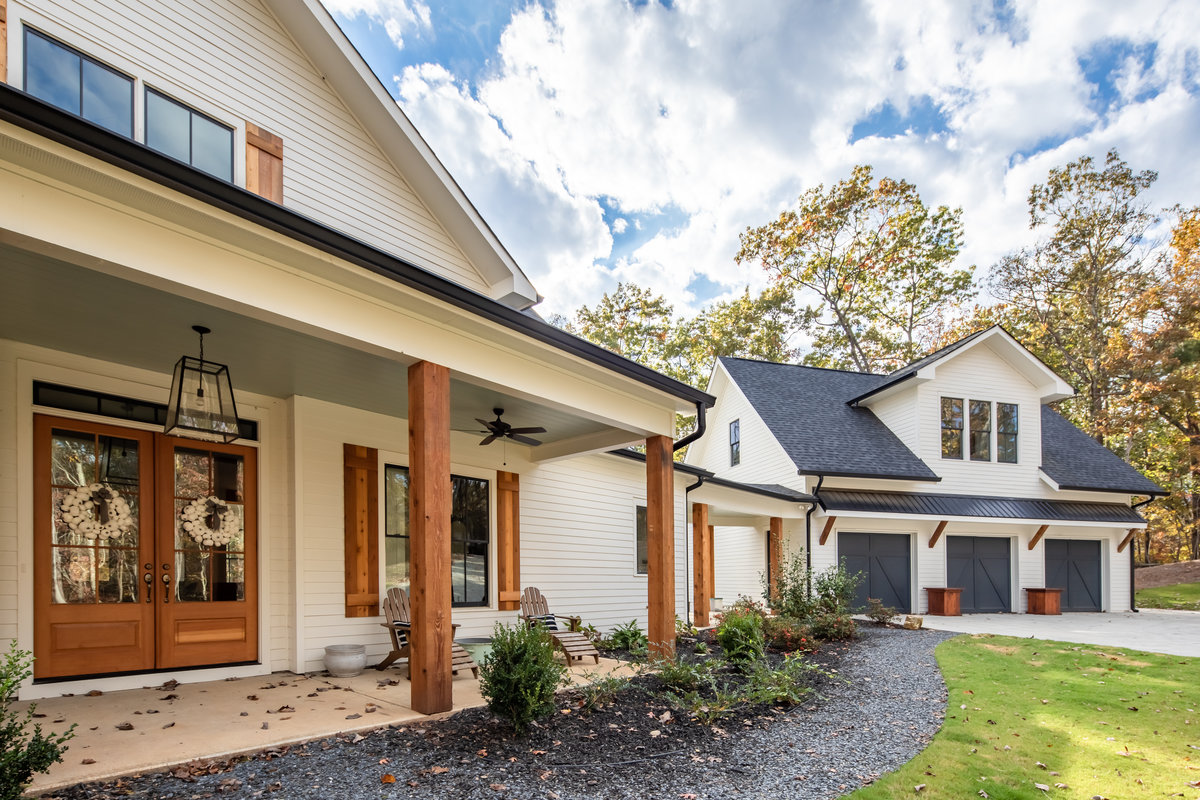
A modern farmhouse in the Midwest used fiber cement siding to achieve a wood-like appearance without the maintenance burden. The siding provided resilience against moisture, snow, and seasonal changes, making it ideal for the local climate.
This example highlights siding’s adaptability and durability in diverse weather conditions.
3. Stucco with Stone Accents on a Luxury Villa
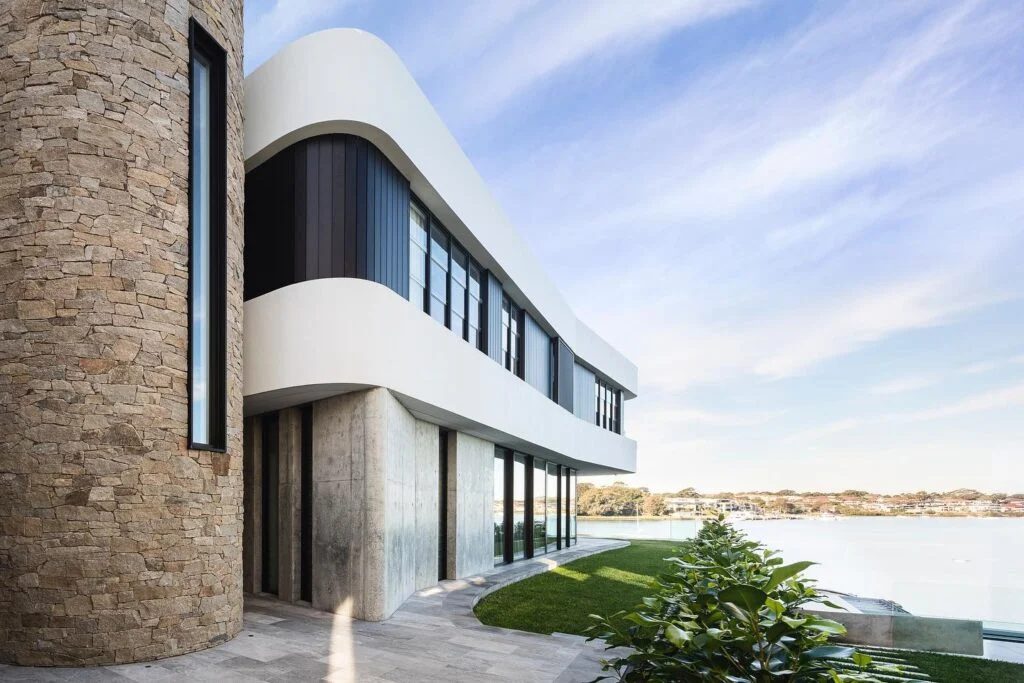
A Mediterranean-style villa combined stucco walls with natural stone accents around the entryway. The stucco offered a smooth, uniform base, while the stone provided texture and character. Stucco vs Siding Exterior. The pairing of materials created a visually striking, high-end finish.
This case shows how stucco can be integrated with other luxury finishes for added depth and sophistication.
4. Vinyl Siding on a Suburban Family Home
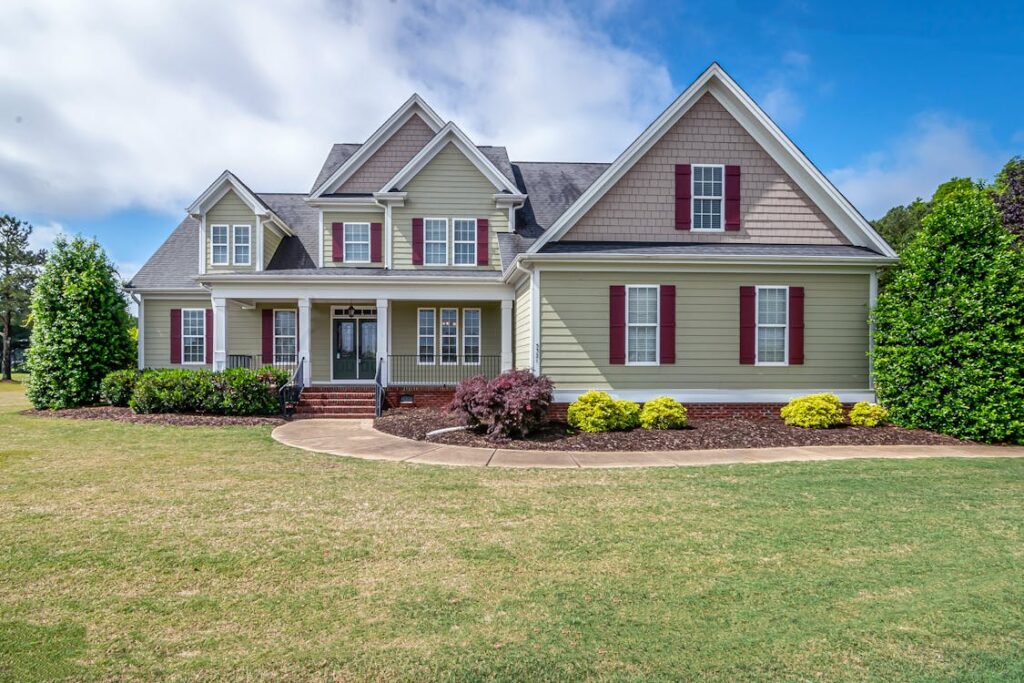
A suburban family home incorporated vinyl siding for its affordability and ease of installation. The siding required minimal maintenance and came in a variety of colors, giving the homeowners freedom of design.
This example demonstrates siding’s accessibility and practicality for everyday homeowners seeking a balance between cost and aesthetics.
Benefits of Stucco vs Siding Exterior
Choosing between stucco and siding depends on the homeowner’s priorities, but both options deliver tangible benefits.
Stucco excels in creating a timeless, seamless look with excellent insulation and fire resistance. It is ideal for warm, dry climates and for homeowners seeking a traditional or Mediterranean style.
Siding offers greater flexibility, faster installation, and easier repair. It adapts to various climates and architectural styles, making it a versatile choice. Stucco vs Siding Exterior. Fiber cement and vinyl siding, in particular, provide durability with minimal upkeep, making them attractive for modern and traditional homes alike.
Use Cases for Stucco and Siding
Stucco is best suited for dry, hot regions such as the Southwest United States, where it resists heat and provides energy efficiency. It is also perfect for homes with Mediterranean, Spanish, or Tuscan designs, where authenticity and elegance are key.
Siding, on the other hand, is practical in regions with variable or wet climates. Vinyl siding works well in suburban neighborhoods for budget-friendly installations, while fiber cement siding is excellent for areas prone to storms, snow, or humidity.
For luxury projects, combining both materials can achieve stunning results-for example, stucco as the primary finish with wood or fiber cement siding as accents to add texture and contrast.
Frequently Asked Questions
Q1. Which is more expensive, stucco or siding?
Stucco generally has a higher upfront cost due to its labor-intensive installation process. Siding materials like vinyl are usually more affordable, while fiber cement falls in the mid-to-high price range.
Q2. Which option requires less maintenance?
Siding, particularly vinyl and fiber cement, requires less maintenance than stucco. Stucco may need occasional repairs for cracks, while siding can often be cleaned with basic washing.
Q3. Can stucco and siding be combined in one design?
Yes, many modern homes use a combination of stucco and siding to balance aesthetics and functionality. This approach adds visual interest while leveraging the strengths of both materials.