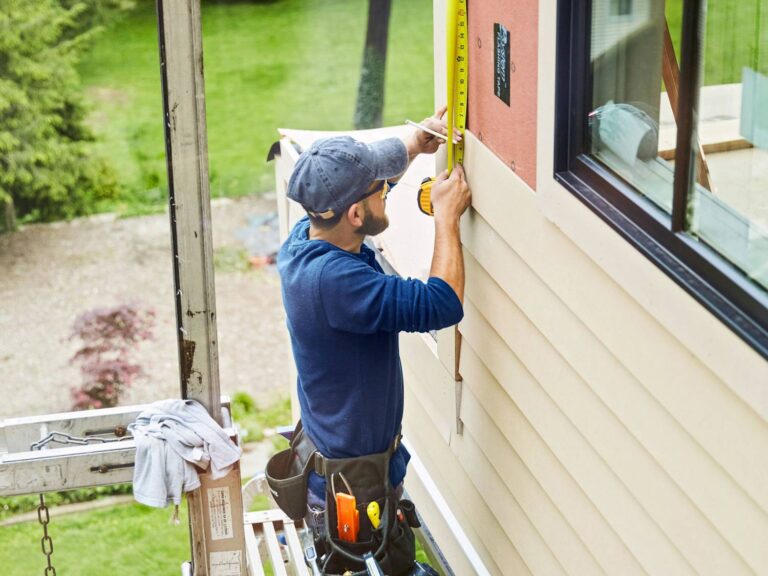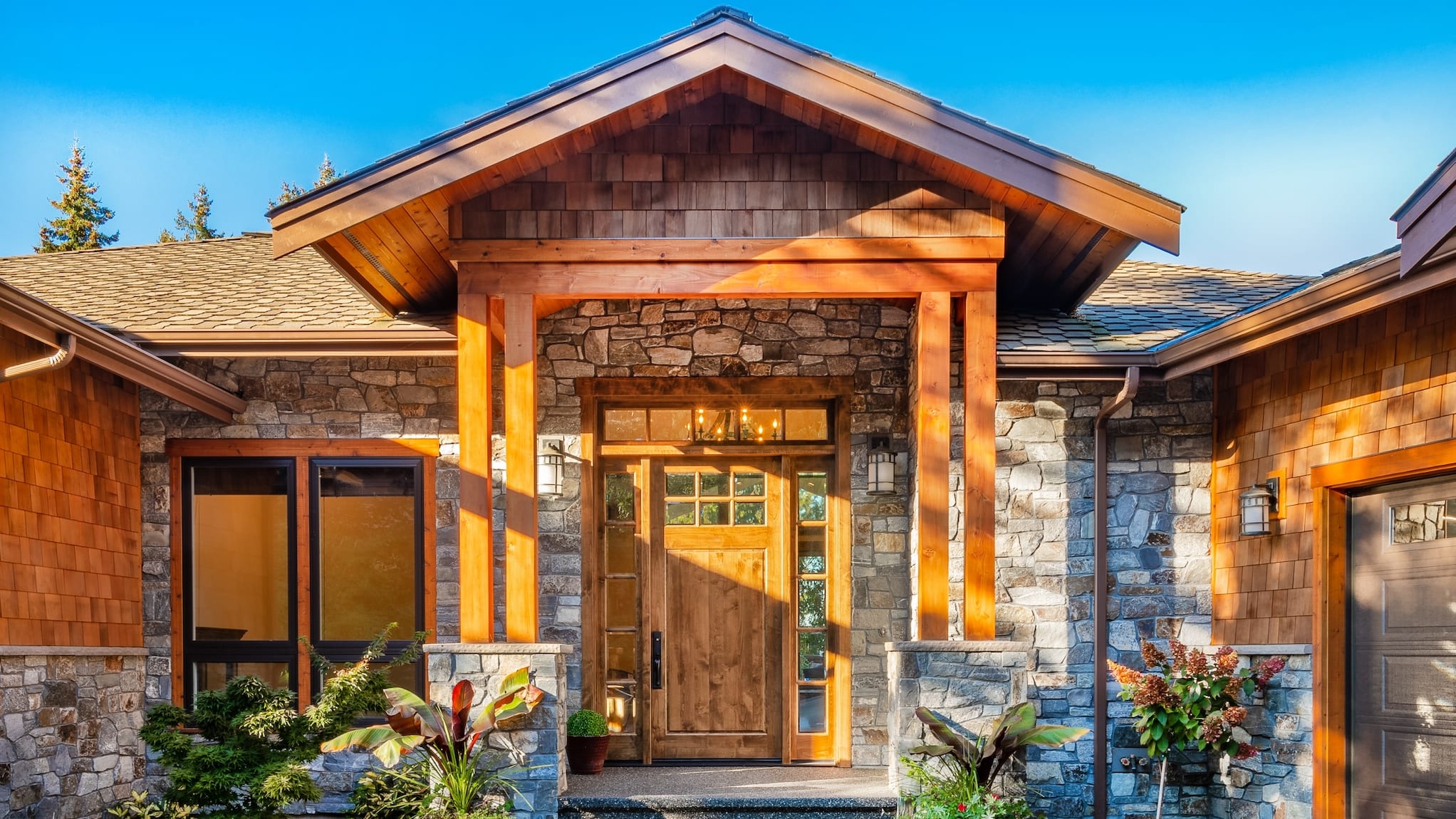
Best Eco Friendly Siding Materials for Sustainable Homes in 2025
Eco-friendly siding materials are designed to reduce environmental impact while still providing durability, protection, and visual appeal to homes. Unlike traditional siding options that may rely heavily on non-renewable resources or release harmful emissions during production, sustainable siding focuses on renewable, recyclable, or energy-efficient alternatives.
The growing demand for sustainable housing has led to innovative siding solutions that not only improve curb appeal but also contribute to energy efficiency. These materials are often sourced responsibly, minimize waste, and help reduce the carbon footprint of residential construction. By choosing eco-friendly siding, homeowners can align their exterior design choices with both modern aesthetics and environmental responsibility.
Why Sustainability Matters in Exterior Design
Siding is more than just an exterior covering-it plays a vital role in insulation, weather protection, and overall home performance. Using eco-friendly materials means you’re not only reducing your impact on the environment but also investing in long-term durability.
For example, siding materials made from recycled or renewable resources often have lower embodied energy, meaning less energy was used in their production. This translates to fewer emissions and reduced environmental harm. Additionally, sustainable siding is typically designed to last longer, meaning fewer replacements and less waste over time.
As homeowners become increasingly eco-conscious, sustainable siding materials also boost property value. Buyers are willing to pay more for homes that incorporate green building practices, making eco-friendly siding a smart choice for both the present and the future.
Types of Eco-Friendly Siding Materials
1. Fiber Cement Siding
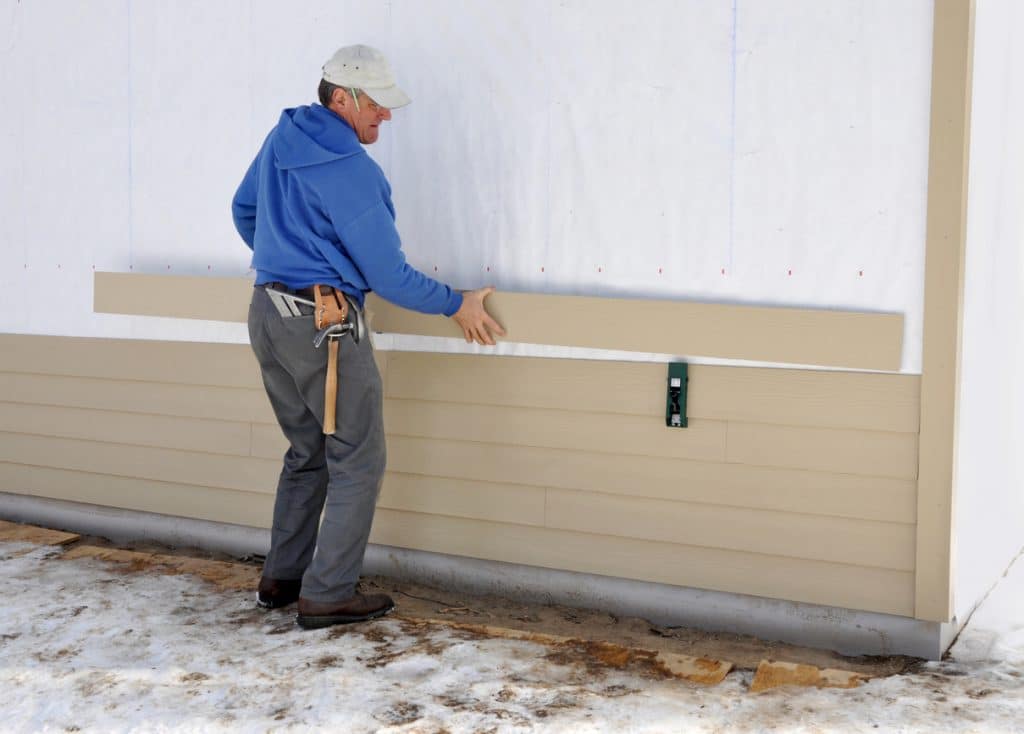
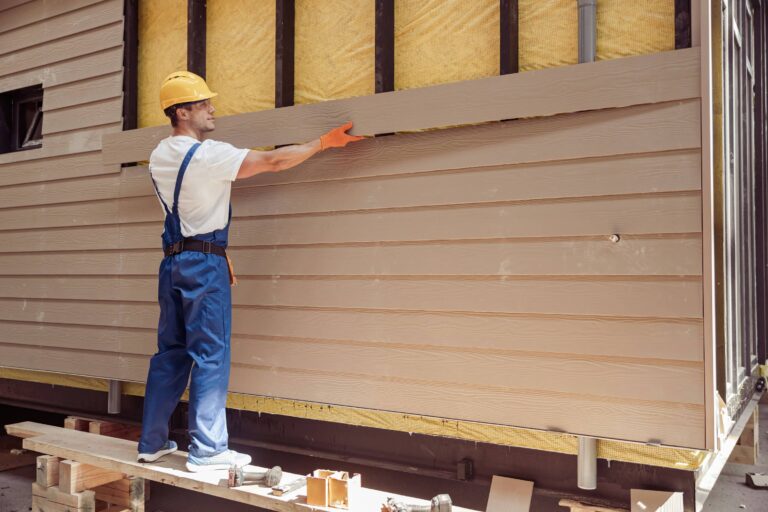
Fiber cement siding is one of the most durable eco eco-friendly options available today. It is made from a mixture of cement, sand, and cellulose fibers, creating a strong material that can mimic wood, stone, or stucco.
Its eco-friendly benefits lie in its longevity and low maintenance. While it does require energy to produce, its long lifespan offsets this impact because it rarely needs to be replaced. Additionally, fiber cement siding is resistant to pests, fire, and rot, reducing the need for chemical treatments that could harm the environment.
2. Reclaimed Wood Siding
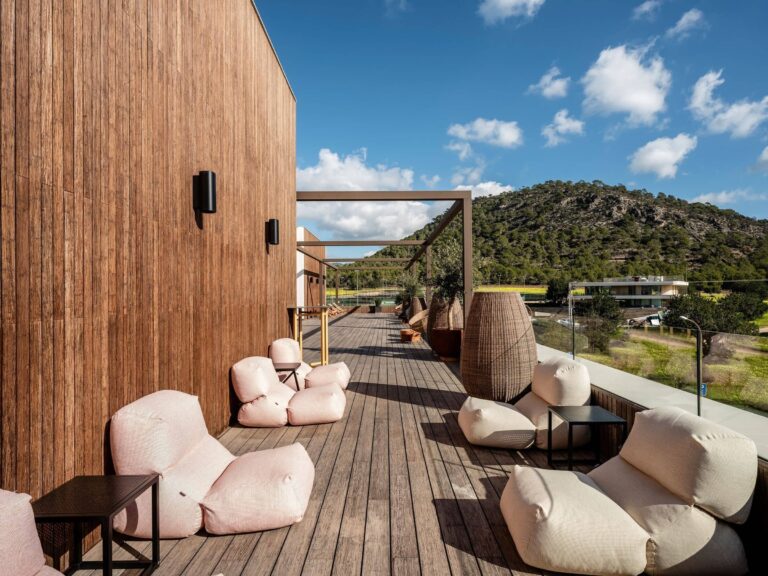
Reclaimed wood siding is one of the most authentic and sustainable choices. By reusing wood from old barns, factories, or other structures, this material gives new life to resources that would otherwise be discarded.
Beyond its eco credentials, reclaimed wood offers unique character. Each plank carries history, texture, and variation that adds charm to a home’s exterior. It also reduces demand for newly harvested timber, helping preserve forests and biodiversity. Homeowners appreciate reclaimed wood for its warmth and natural beauty, making it both a stylish and environmentally conscious choice.
3. Engineered Wood Siding
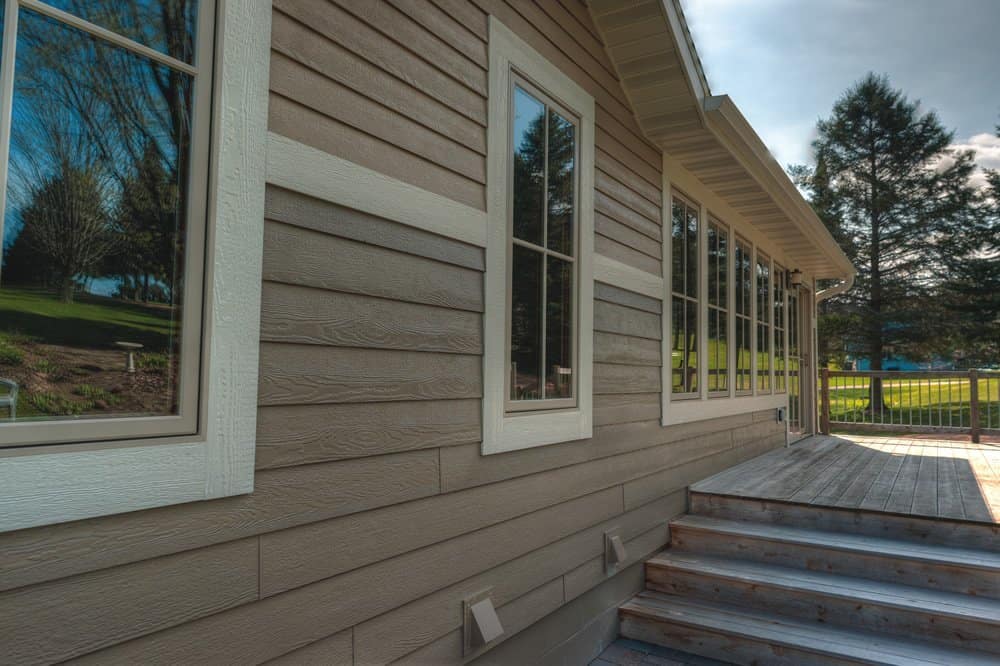
Engineered wood siding combines sustainability with durability. It is made from wood fibers and resins, often sourced from fast-growing renewable trees, making it a greener alternative to traditional wood siding.
Engineered wood is designed to resist rot, pests, and warping, meaning less frequent replacements. Its manufacturing process often uses fewer resources and produces less waste compared to cutting down large quantities of old-growth timber. As a result, it offers a balance between eco responsibility and modern performance.
4. Metal Siding (Aluminum and Steel)
Metal siding, particularly aluminum and steel, is considered eco-friendly because of its recyclability. These materials can be recycled endlessly without losing strength, making them a sustainable siding option.
Metal siding also reflects solar heat, which helps reduce cooling costs during the summer. Homeowners often choose metal for its modern aesthetic, durability, and fire resistance. With proper insulation, metal siding becomes an energy-efficient and eco-conscious solution for residential exteriors.
5. Stucco with Natural Additives
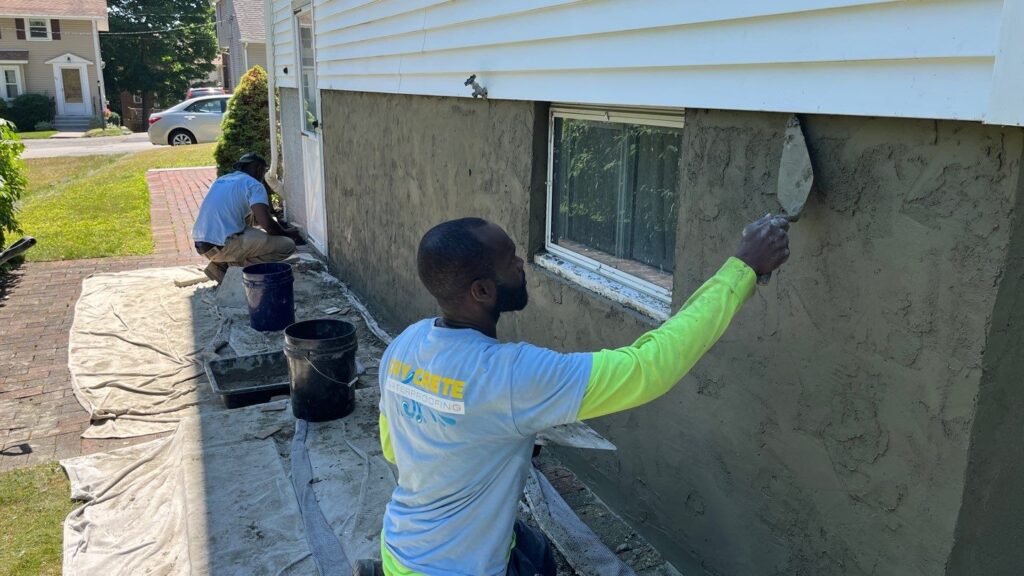
Stucco has been used for centuries, and modern eco-friendly versions incorporate natural lime and sand, reducing reliance on synthetic chemicals. When applied correctly, stucco can last decades, making it a sustainable long-term choice.
Natural stucco is breathable, helping regulate indoor humidity, and it can be tinted with natural pigments for environmentally safe coloration. Its durability also reduces the need for frequent repairs, lowering long-term environmental costs.
Benefits of Eco-Friendly Siding Materials
The benefits of eco-friendly siding extend far beyond sustainability. Homeowners enjoy long-lasting protection, reduced maintenance costs, and improved energy efficiency. Many eco-friendly siding options also contribute to better insulation, reducing the need for heating and cooling systems, which in turn lowers energy bills.
Another key benefit is improved indoor comfort. With better insulation and reduced air leaks, eco siding helps maintain consistent indoor temperatures. This creates healthier living environments while reducing reliance on artificial climate control systems.
Additionally, using sustainable siding enhances the resale value of a property. With growing awareness of climate change and eco-conscious living, buyers are actively seeking homes with green features, making eco-friendly siding an investment in both comfort and financial return.
Real-World Use Cases for Eco-Friendly Siding
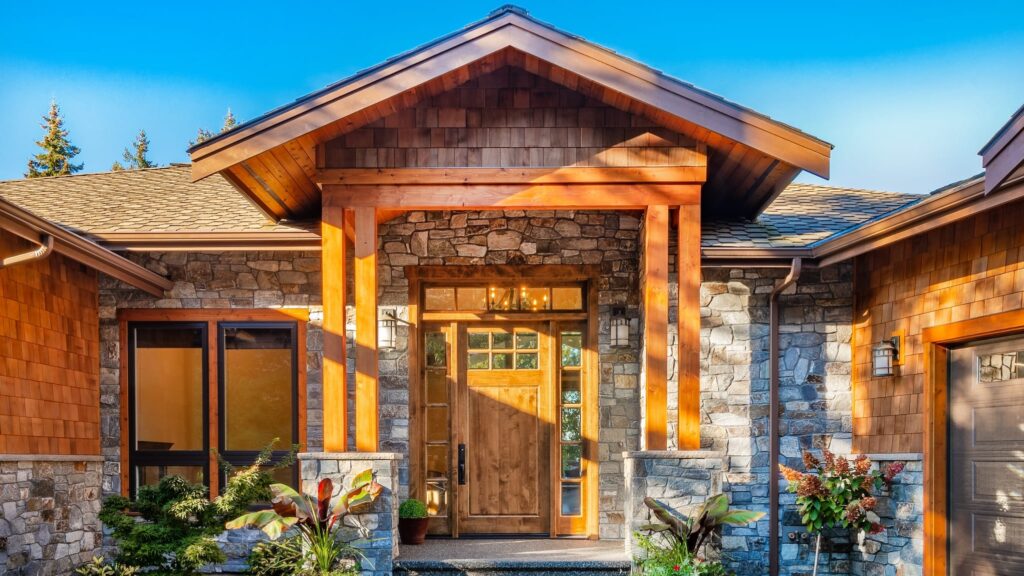
Modern Urban Home with Fiber Cement
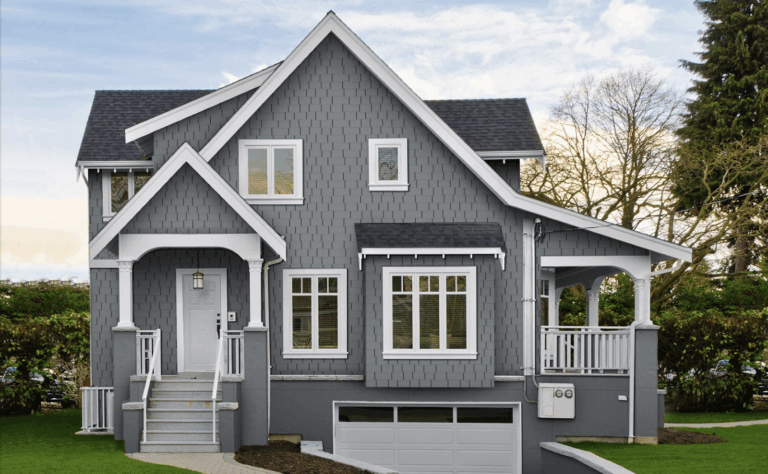
A family living in an urban neighborhood chose fiber cement siding to replace outdated vinyl siding. The new siding provided a modern appearance while offering resistance to pollution and weather damage. This reduced the need for constant maintenance, saving both time and resources.
In addition, the siding’s insulating properties improved indoor comfort, lowering its energy consumption. The project not only improved curb appeal but also demonstrated how eco materials can perform well in demanding urban environments.
Rustic Countryside Home with Reclaimed Wood
In rural settings, reclaimed wood siding has been used to give homes a rustic yet sustainable look. One example is a countryside property that incorporated barn wood siding. Eco-Friendly Siding Materials. The result was a charming, natural aesthetic that blended perfectly with the environment.
By reusing old wood, the homeowners avoided cutting down new trees and contributed to resource conservation. The siding also added character and authenticity, creating a timeless look that showcased eco-responsibility and unique design.
Coastal Home with Metal Siding
A coastal property used aluminum siding to combat saltwater corrosion and high winds. The material’s durability ensured that the home remained well-protected despite harsh conditions.
What made this makeover eco-friendly was aluminum’s full recyclability. At the end of its lifecycle, the siding can be melted down and reused indefinitely. The reflective properties of metal siding also helped reduce cooling costs during hot summers, making it an eco-conscious solution tailored to the coastal environment.
Practical Problems Eco-Friendly Siding Can Solve
Eco-friendly siding is not just about appearance solves real-world challenges. Homes in areas with extreme weather benefit from materials like fiber cement and metal, which resist moisture, pests, and fire. This reduces the need for harmful chemical treatments and frequent replacements.
In cities, sustainable siding helps reduce energy consumption by providing better insulation. This lowers the strain on power grids and reduces overall carbon emissions. For homeowners, it means lower bills and greater comfort.
For environmentally conscious families, eco siding also addresses ethical concerns. By choosing materials with minimal impact, they can ensure their home aligns with their values while contributing to a greener future.
FAQs
Q1. What is the most sustainable siding material?
Reclaimed wood is often considered the most sustainable because it reuses existing resources, reduces demand for new timber, and adds unique character to homes.
Q2. Does eco-friendly siding cost more than traditional siding?
While some options like fiber cement or reclaimed wood may have higher upfront costs, they typically save money over time through durability, lower maintenance, and energy efficiency.
Q3. Can eco-friendly siding improve energy efficiency?
Yes, many sustainable siding options, such as fiber cement and metal with proper insulation, improve thermal performance. This reduces heating and cooling needs, lowering energy consumption and costs.