Contemporary Home Facade Ideas Inspiring Designs and Modern Trends
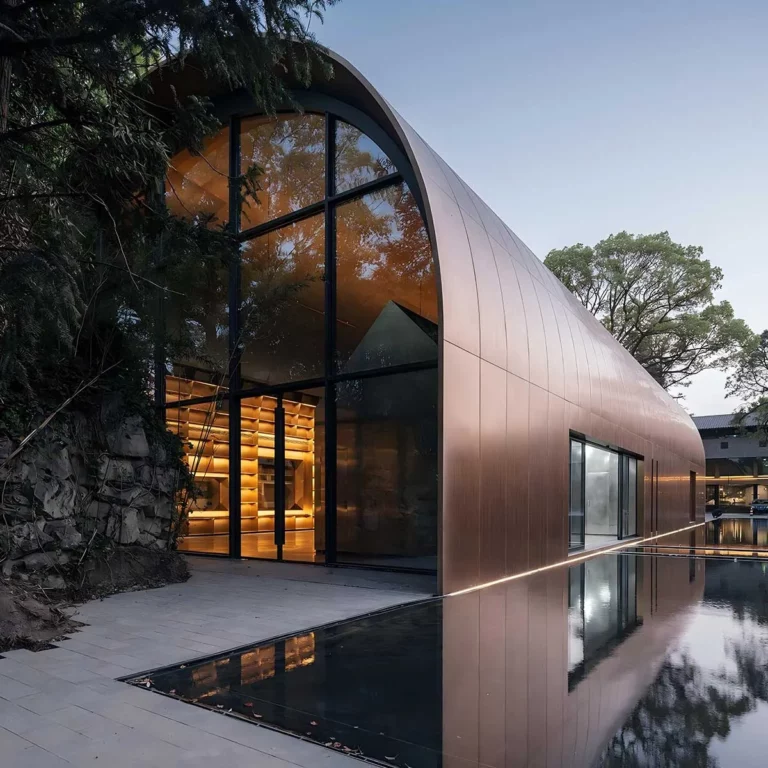
Contemporary Home Facade Ideas The facade of a home is more than its exterior-it is the face that represents the character, creativity, and lifestyle of the people living inside. In contemporary architecture, facades are designed not only for aesthetics but also for function, sustainability, and harmony with the environment.
Contemporary home facade ideas embrace innovation, minimalism, and the blending of natural and industrial materials. Homeowners and architects today aim to create exteriors that are visually striking while offering energy efficiency, durability, and a unique identity.
Defining Characteristics of Contemporary Home Facades
Minimalist Aesthetics and Clean Lines
One of the hallmarks of contemporary facades is minimalism. Straight edges, flat planes, and uncluttered forms define the exterior. These clean lines help create an elegant and timeless look while focusing on balance and proportion.
Unlike traditional facades, contemporary designs strip away unnecessary ornamentation. Instead, they highlight the beauty of the structure itself, allowing materials like stone, wood, and steel to become central design features.
Innovative Use of Materials
Contemporary facades combine contrasting textures to achieve a sophisticated appearance. Stone cladding paired with steel accents, wooden slats alongside glass walls, or exposed concrete with greenery are popular approaches.
This blending of materials reflects the modern desire to create exteriors that feel both natural and cutting-edge. The thoughtful layering of textures ensures visual interest and durability, making homes stand out while withstanding environmental challenges.
Popular Color Palettes for Contemporary Facades
Neutral Foundations with Accents
Neutral colors such as white, beige, gray, and black dominate contemporary facades. These shades act as a versatile base that can be elevated with bold accent tones, such as burnt orange, navy, or deep green, for doors, trims, or statement walls.
The result is a balance between calm elegance and modern vibrancy. By strategically placing accents, homeowners can highlight unique architectural elements without overwhelming the overall look.
Monochromatic Elegance
Many contemporary homes feature monochromatic facades where a single tone, such as charcoal gray or warm beige, is applied across different textures. This approach enhances harmony and sophistication while allowing shadows and shapes to create depth.
Monochrome facades are particularly effective in urban environments, where a simple yet bold presence can set a home apart.
Technology’s Role in Contemporary Facade Design
Smart Lighting Systems
Exterior lighting has become a vital part of contemporary facades. Smart lighting systems allow homeowners to control brightness, timing, and even color through mobile apps or voice commands. This not only improves safety but also enhances the architectural highlights of the home at night.
Well-placed lighting along pathways, around windows, or embedded in walls emphasizes the design and creates a welcoming atmosphere while maintaining energy efficiency.
Energy-Efficient Facade Solutions
Modern facades increasingly integrate eco-friendly technologies. High-performance insulation materials, solar panels, and double-glazed windows are common in contemporary designs. These features reduce energy costs, regulate indoor temperatures, and minimize the environmental impact of the building.
By combining aesthetics with sustainability, these innovations ensure that the facade is not just attractive but also responsible and future-proof.
Real-World Examples of Contemporary Home Facade Ideas
1. Stone and Glass Harmony
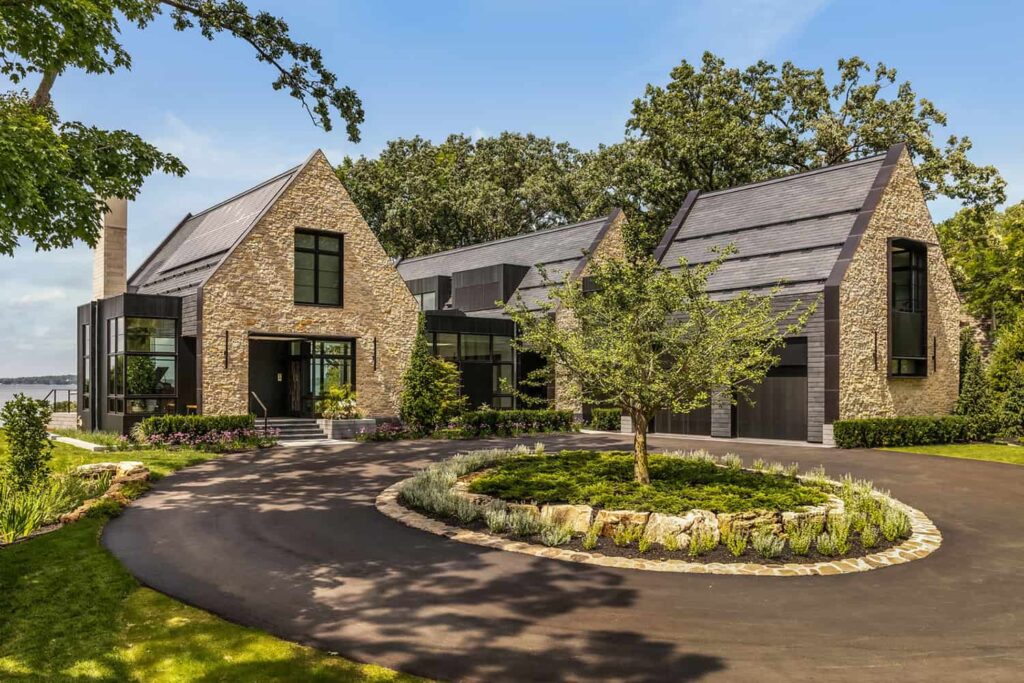
A home with a stone-clad facade complemented by expansive glass windows showcases how contemporary design balances solidity and openness. The stone provides natural texture and durability, while the glass brings in light and creates a seamless indoor-outdoor connection.
This approach is popular for homes built in scenic areas, where large windows allow residents to enjoy panoramic views without sacrificing privacy or structure.
2. Wooden Slats with Metal Accents
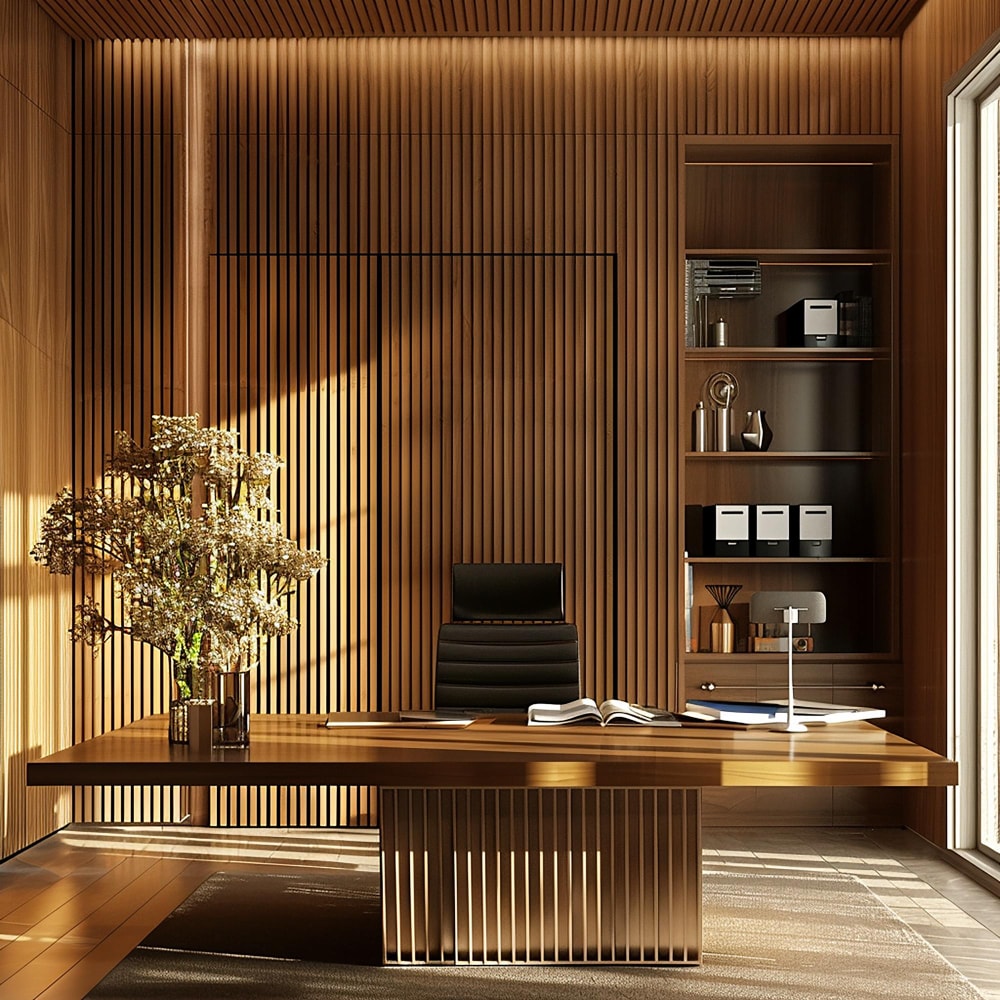
Wooden slats arranged vertically or horizontally add warmth and rhythm to contemporary facades. When combined with sleek metal frames around windows and doors, the result is a modern yet inviting look.
This design also serves practical purposes: wooden slats can function as shading devices, reducing heat while maintaining natural ventilation. The mix of organic and industrial elements reflects contemporary architecture’s adaptability.
3. Exposed Concrete Elegance
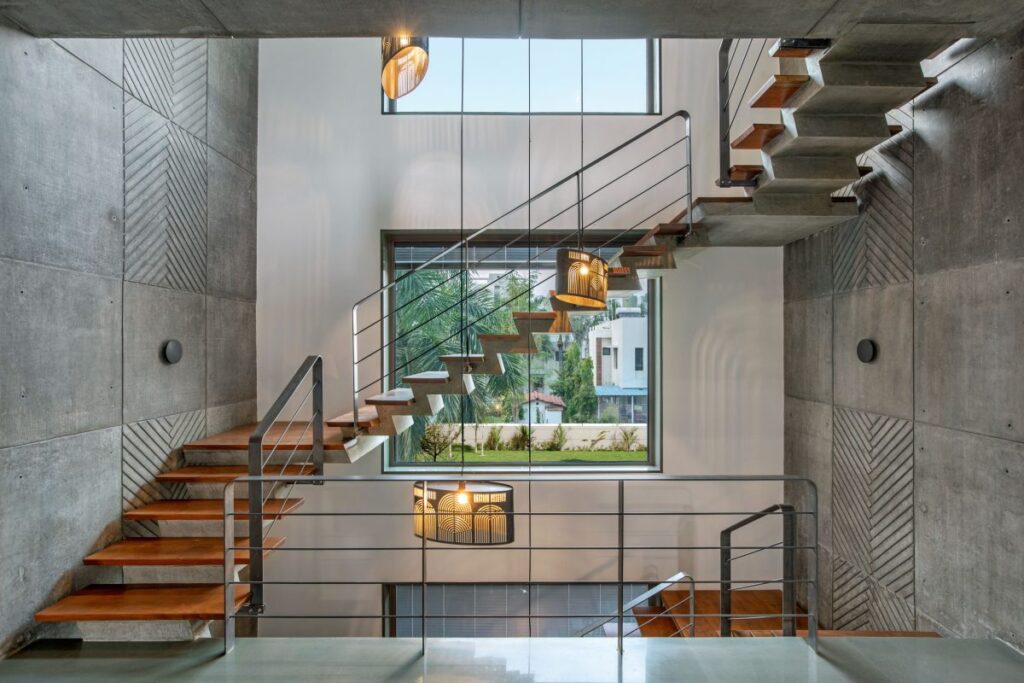
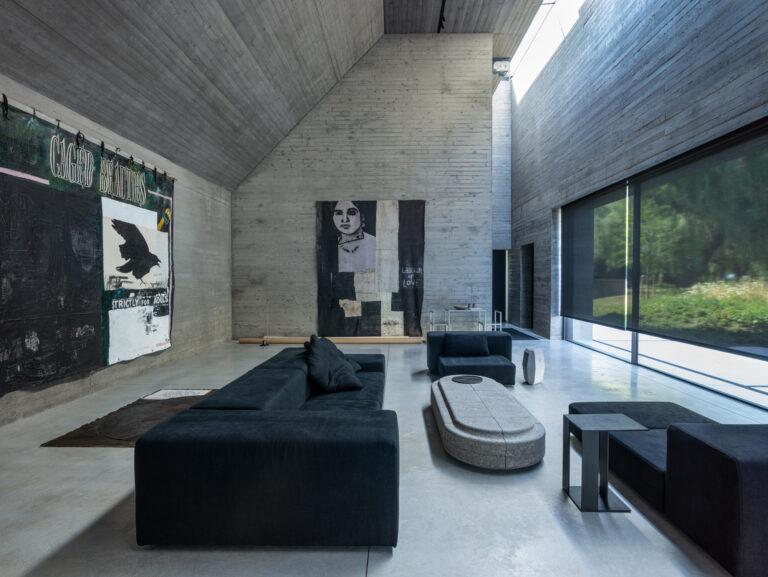
Exposed concrete is no longer seen as unfinished-it has become a celebrated element of contemporary design. A facade using raw concrete surfaces, softened by surrounding greenery or timber details, delivers a bold, minimalist statement.
This choice is particularly relevant in urban environments, where durability and low maintenance are priorities. The stark simplicity of concrete highlights modern geometry while creating a lasting impression.
4. Tropical Contemporary Facade
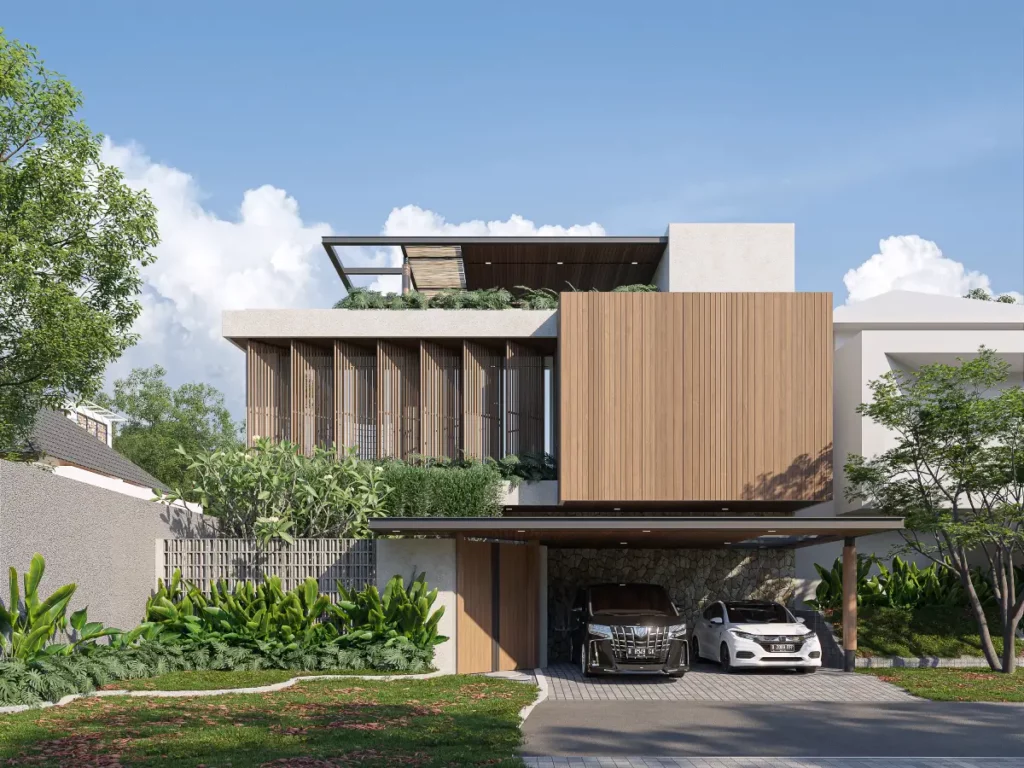
In tropical regions, facades are designed to withstand heat and humidity while maintaining a stylish appeal. Wide eaves, natural stone, ventilation screens, and lush landscaping combine to form facades that are both practical and visually captivating.
This type of design is ideal for coastal or warm climates, offering comfort without compromising contemporary aesthetics.
Benefits of Contemporary Facade Designs
Boosted Curb Appeal and Identity
Contemporary facades are instantly recognizable. Their sleek appearance and unique use of materials enhance curb appeal, helping a home stand out in any neighborhood. A well-designed facade communicates personality and taste, creating a strong first impression.
Improved Energy Efficiency
By incorporating insulation, smart materials, and energy-efficient windows, contemporary facades improve the sustainability of homes. They reduce energy consumption, lower utility bills, and contribute to environmental conservation without compromising beauty.
Versatility in Design
Contemporary facades are adaptable to different environments and homeowner preferences. Whether it’s a city townhouse with a concrete finish or a suburban home with wooden highlights, contemporary ideas allow for creativity while maintaining coherence with modern trends.
Practical Use Cases for Contemporary Facade Ideas
Renovating Outdated Homes
A dated brick house can be transformed with a fresh facade using timber cladding, new window frames, and modern lighting. This solves the problem of an old-fashioned look, instantly updating the home’s identity.
Building in Compact Urban Spaces
In tight city neighborhoods, contemporary facades maximize light and space. Features like large glass windows, slimline balconies, and smart ventilation create airy interiors without sacrificing privacy.
Vacation or Second Homes
For homes in scenic or tropical areas, contemporary facades with wide openings and natural stone walls offer durability against the elements while enhancing relaxation. These designs bring comfort and visual appeal to leisure properties.
Frequently Asked Questions
Q1. What materials are commonly used in contemporary facades?
Contemporary facades often feature a mix of stone, glass, concrete, wood, and metal. The combination of natural and industrial materials creates both beauty and durability.
Q2. How do contemporary facades improve sustainability?
By integrating eco-friendly technologies like solar panels, insulated cladding, and double-glazed windows, contemporary facades help reduce energy consumption and promote environmental responsibility.
Q3. Can contemporary facade ideas be applied to small houses?
Yes. Contemporary design principles-clean lines, minimalist colors, and smart use of glass or woodwork effectively work in both large and compact homes, ensuring style without overwhelming the structure.