Exterior Wall Cladding Ideas to Transform Your Home in 2025
Exterior Wall Cladding Ideas is more than just a protective covering for your home; it is also a defining element of architectural style and curb appeal. With innovative materials and design options available in 2025, homeowners now have endless possibilities to create a striking look while ensuring durability and energy efficiency.
In this article, we’ll explore in-depth exterior wall cladding ideas, from traditional options like wood and stone to modern solutions like fiber cement and metal. You’ll also find real-world examples, practical benefits, and use cases that show how the right cladding can enhance both beauty and performance.
What is Exterior Wall Cladding?
Exterior wall cladding refers to the outer layer applied to a building’s structure to provide both protection and aesthetic appeal. It acts as a shield against weather, moisture, and temperature fluctuations while also giving the home a distinctive character.
Cladding materials vary widely, ranging from natural stone and timber to high-tech composites and metal panels. Each option comes with its own set of strengths, making it important for homeowners to choose based on climate, style preferences, and maintenance needs.
Popular Exterior Wall Cladding Ideas
Natural Stone Cladding
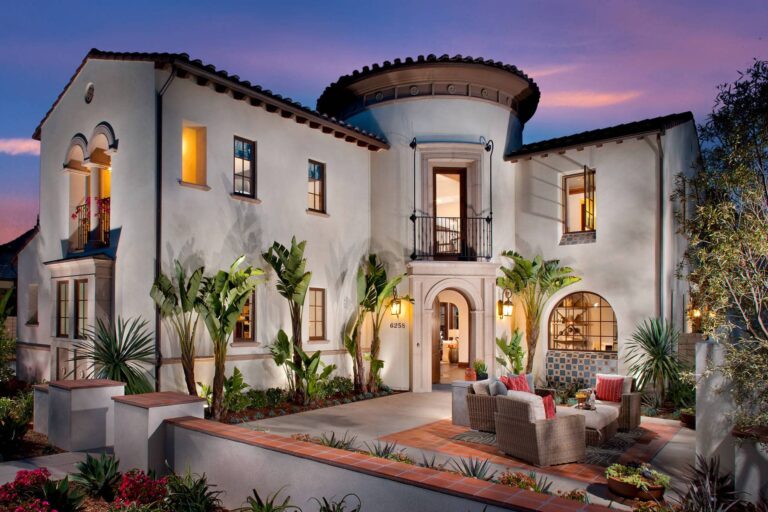
Natural stone remains one of the most timeless exterior wall cladding ideas. Stones like granite, slate, or limestone offer a rugged yet elegant appearance that blends seamlessly with landscapes. Stone cladding also adds texture and depth to walls, making it ideal for both rustic countryside homes and upscale modern designs.
Beyond aesthetics, natural stone provides excellent durability and weather resistance. It can withstand decades of exposure without losing its charm, making it a long-term investment for homeowners seeking permanence and character.
Wood Cladding
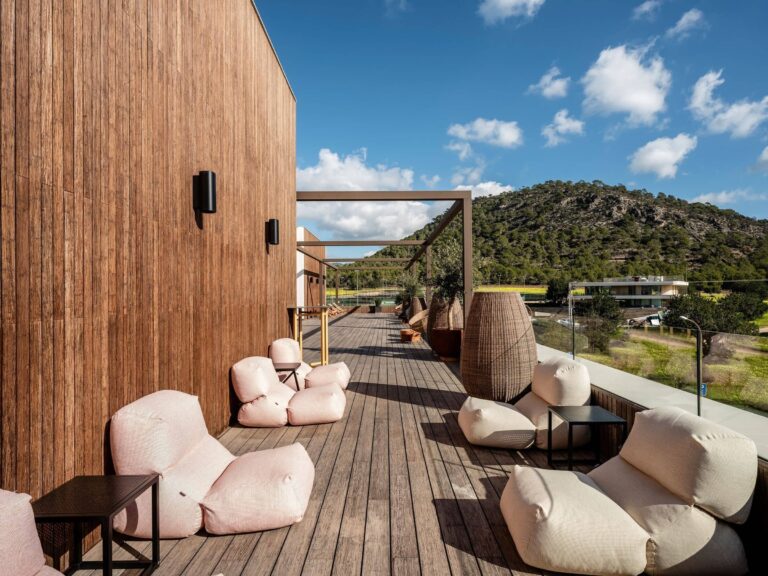
Wood cladding continues to be a favorite for those who want warmth and organic beauty in their exteriors. Options like cedar, redwood, or thermally treated timber provide unique grains and colors that give buildings a natural, inviting feel.
When maintained properly with sealants, wood cladding can last many years while enhancing insulation. It’s especially popular in modern Scandinavian and minimalist designs, where horizontal or vertical planks create clean, striking lines.
Fiber Cement Cladding
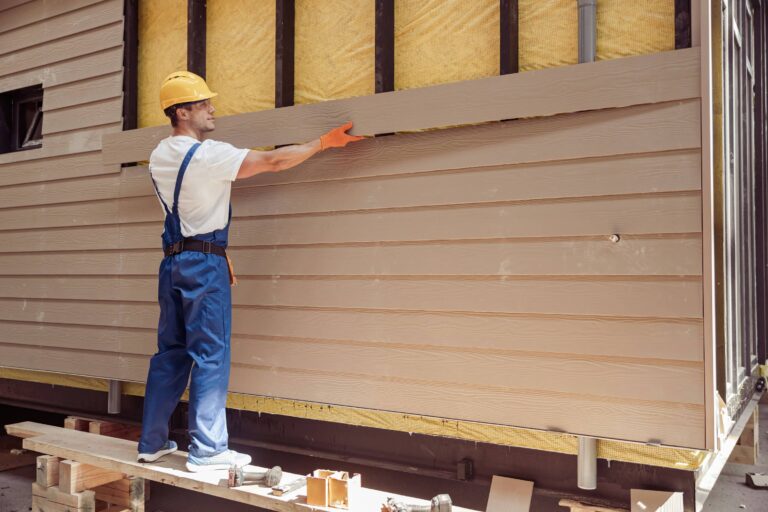
Fiber cement cladding has gained popularity due to its balance of style, durability, and low maintenance. Made from cement, sand, and cellulose fibers, it can mimic the look of wood, stone, or stucco without their associated drawbacks.
Its resistance to fire, insects, and moisture makes it suitable for a wide range of climates. Homeowners who want versatility in design and long-lasting performance often choose fiber cement as a practical solution for modern homes.
Metal Cladding
Aluminum, zinc, or steel cladding panels are becoming increasingly popular in contemporary architecture. Metal cladding provides a sleek, industrial look that pairs well with minimalist and urban designs. The reflective qualities of metals also allow buildings to stand out, especially in modern cityscapes.
Beyond aesthetics, metal cladding is lightweight, durable, and recyclable, making it an eco-friendly choice for sustainable construction. Many systems are treated with coatings to resist rust and corrosion, ensuring longevity.
Real-World Examples of Exterior Wall Cladding
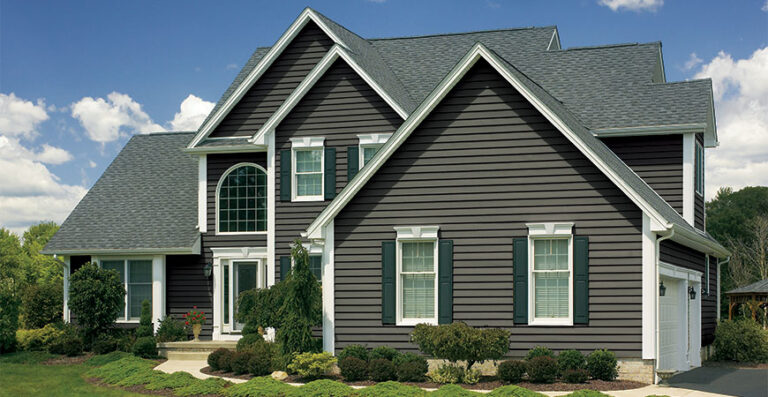
1. James Hardie Fiber Cement Panels

James Hardie’s fiber cement siding is one of the most recognized products worldwide. Its panels mimic natural materials like wood and stone while providing resistance to moisture and fire. Many modern suburban homes in the U.S. use these panels to achieve a stylish look that requires minimal upkeep.
The popularity of this product shows how fiber cement balances design flexibility with practical durability, making it a favorite for homeowners in varied climates.
2. Shou Sugi Ban Wood Cladding
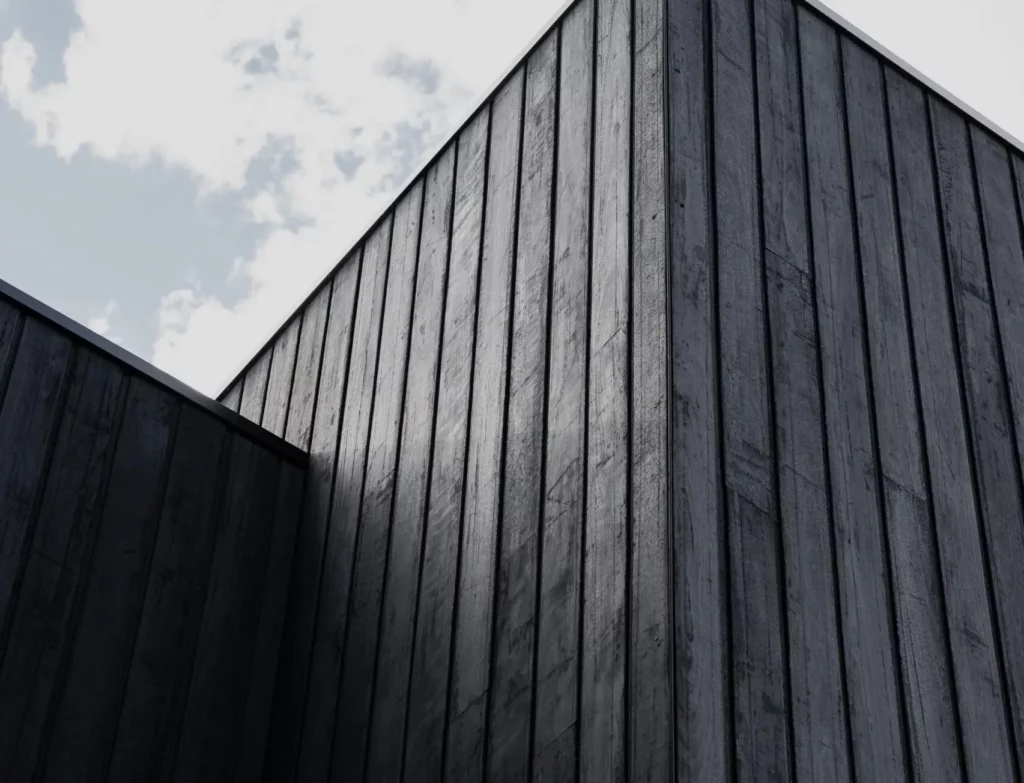
Originating from Japan, Shou Sugi Ban is a technique where wood is charred to improve durability and resistance against pests. The result is a striking blackened finish that adds both modern and traditional appeal to homes.
This type of wood cladding has become increasingly popular in eco-conscious projects, as it reduces chemical treatments while offering a distinctive aesthetic that stands out.
3. Stacked Stone Veneer
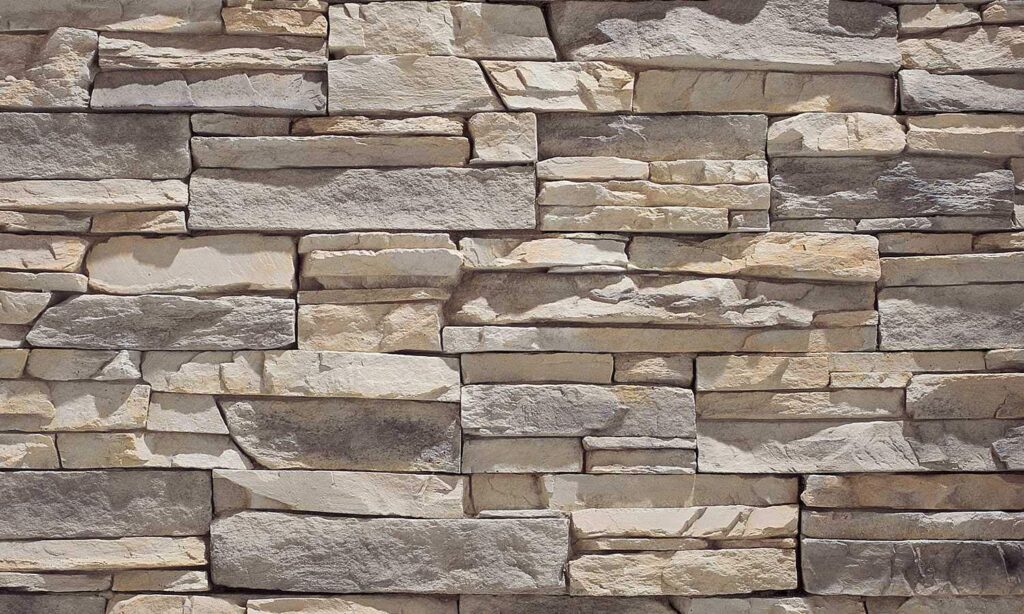
Stacked stone veneer is widely used in both luxury residences and commercial buildings. Unlike full stone construction, veneer panels are thinner and easier to install, yet still deliver the same elegant look.
This product is especially popular for accent walls, entrance facades, or garden-facing exteriors, creating a natural connection between architecture and landscape.
4. Aluminum Composite Panels
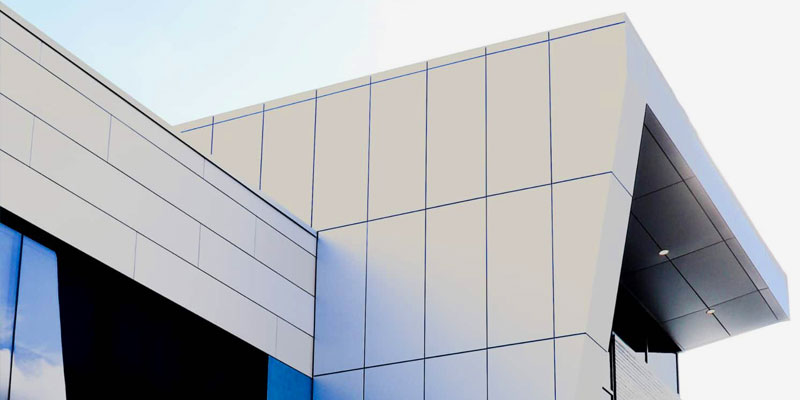
Aluminum composite panels (ACP) are commonly seen in high-rise and commercial buildings. Their lightweight structure, combined with customizable finishes, makes them a go-to for modern architecture.
They offer superior weather resistance and can be coated in various colors or metallic finishes, giving architects freedom to design unique facades that last for decades.
Benefits of Exterior Wall Cladding
Protection Against Weather
Cladding serves as a barrier between the home’s structural walls and external conditions. It prevents moisture infiltration, reduces the risk of mold, and improves the building’s resilience against wind and temperature fluctuations.
Energy Efficiency
Certain cladding materials, like insulated panels and st, provide natural thermal regulation. This helps homes stay cooler in summer and warmer in winter, reducing the reliance on HVAC systems and lowering energy bills.
Aesthetic Versatility
With options ranging from rustic wood to sleek metal, cladding allows homeowners to create exteriors that reflect their personality and architectural goals. Whether aiming for a traditional, modern, or industrial style, there’s a cladding solution that fits.
Low Maintenance Options
Modern materials like fiber cement and treated metals require minimal maintenance compared to traditional options. This reduces long-term costs and effort while ensuring the home maintains its visual appeal.
Use Cases for Exterior Wall Cladding
Enhancing Old Buildings
Homeowners renovating older houses often use cladding to refresh the appearance and add protective layers. For instance, installing fiber cement over existing walls can modernize a dated home while improving durability.
Climate-Specific Applications
In coastal regions, metal cladding is ideal due to its corrosion resistance when treated with protective coatings. In contrast, stone cladding is better suited for mountainous or rural areas, where natural textures complement the surroundings.
Eco-Friendly Housing Projects
Sustainable cladding materials such as thermally treated timber or recycled metal are widely used in eco-conscious housing. These solutions reduce environmental impact while ensuring durability.
Frequently Asked Questions
Q1. What is the most durable exterior wall cladding material?
Stone and fiber cement are among the most durable options. Stone can last for decades with minimal wear, while fiber cement resists fire, pests, and moisture, making it reliable in various climates.
Q2. Does cladding improve home insulation?
Yes. Many cladding materials, especially stone, wood, and insulated composites, enhance thermal regulation. This can lead to better energy efficiency and reduced utility bills.
Q3. Is wood cladding a high-maintenance option?
Wood cladding requires more maintenance than fiber cement or metal, as it needs periodic sealing or treatment to prevent rot and pest damage. However, modern techniques like Shou Sugi Ban can extend its lifespan and reduce upkeep needs.