Weatherproof Decking Materials Best Options, Benefits, and Real-World Examples
Outdoor decks face constant exposure to the elements-rain, snow, heat, and humidity. Choosing the right weatherproof decking materials can make the difference between a deck that lasts for decades with minimal maintenance and one that deteriorates quickly. Homeowners, architects, and builders increasingly look for decking solutions that are not only durable but also visually appealing and eco-friendly.
This article provides an in-depth guide to weatherproof decking materials, their benefits, real-world applications, and examples of popular products.
What Are Weatherproof Decking Materials?
Weatherproof decking materials are specially designed construction products that resist damage from moisture, temperature fluctuations, and UV exposure. Unlike traditional untreated wood, these materials maintain structural integrity and appearance even after years of harsh weather.
They typically include options like composite decking, PVC decking, pressure-treated wood, aluminum, and tropical hardwoods. Each has distinct advantages depending on the environment and intended use. While aesthetics play a role, the primary purpose of weatherproof materials is durability and reduced maintenance.
Key Features of Weatherproof Decking Materials
Several characteristics define weatherproof decking:
-
Moisture Resistance: Prevents warping, swelling, and rotting in humid or rainy climates.
-
UV Protection: Reduces fading and surface damage caused by prolonged sun exposure.
-
Durability Against Wear: Maintains structure under foot traffic, furniture, and heavy use.
-
Low Maintenance: Requires minimal sealing, staining, or repairs compared to untreated wood.
-
Slip Resistance: Many modern decking materials include textured finishes for safety in wet conditions.
Together, these features make weatherproof decking a practical long-term investment for outdoor living spaces.
Benefits of Using Weatherproof Decking Materials
Weatherproof decking brings both functional and lifestyle benefits.
One of the most important advantages is longevity. A properly chosen material can withstand decades of exposure to rain, snow, and direct sunlight without significant deterioration. This makes it ideal for homeowners who want peace of mind and fewer repairs over time.
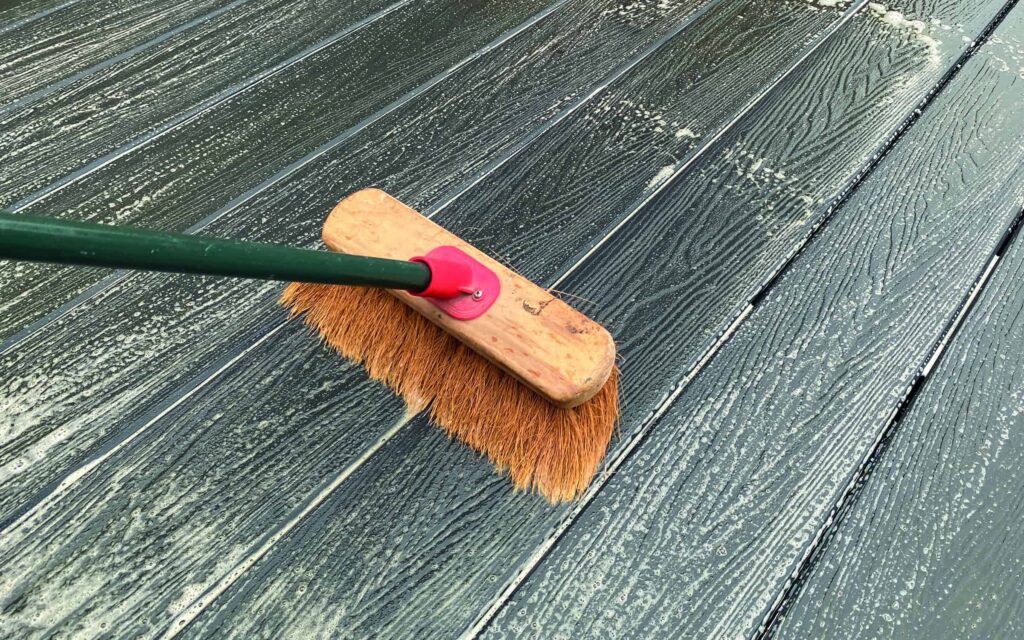
Another benefit is reduced upkeep. Traditional wooden decks often require annual staining or sealing to maintain their look and prevent decay. Weatherproof materials, such as composites or PVC, eliminate much of this hassle. Many simply need occasional cleaning with water and mild detergent.
Additionally, weatherproof decking materials improve property value. A deck that maintains its appearance and structural soundness adds long-term curb appeal and functionality to any home.
Real-World Examples of Weatherproof Decking Materials
1. Trex Composite Decking
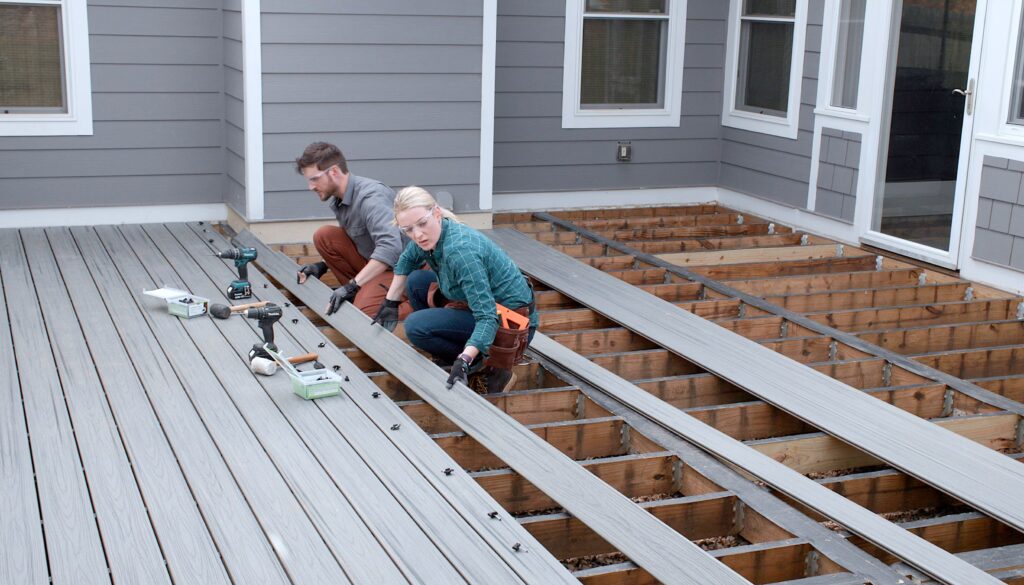
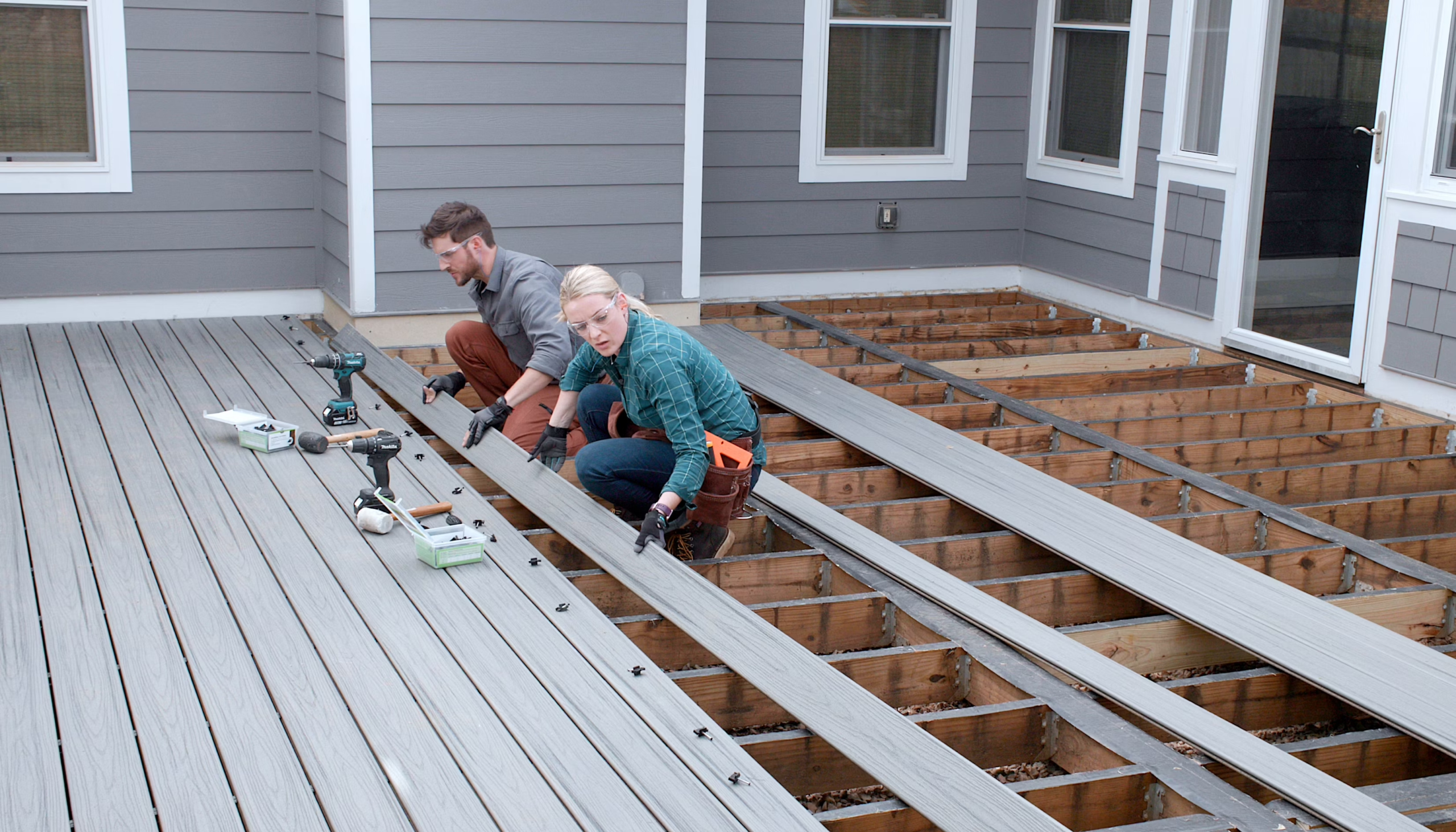
Trex is one of the most recognized brands in composite decking. It combines recycled wood fibers with plastic polymers to create boards that are highly resistant to moisture, insects, and fading. The result is a deck that maintains the natural look of wood while offering superior durability.
Many homeowners choose Trex for its eco-friendly profile, as it uses recycled materials. Its boards are available in a range of finishes, making it easy to match with various architectural styles. Real-world applications include residential decks, rooftop terraces, and poolside areas.
2. TimberTech AZEK PVC Decking
TimberTech AZEK is a 100% PVC decking material that resists moisture absorption entirely. Unlike composites with wood fibers, PVC doesn’t swell, warp, or rot, even in constant contact with water. This makes it ideal for decks near pools, hot tubs, or in coastal areas.
Homeowners appreciate its high slip resistance and luxurious finishes that mimic natural hardwoods. Its durability is proven in real-world installations where decks remain visually stunning and functional after years of use.
3. Fiberon Decking
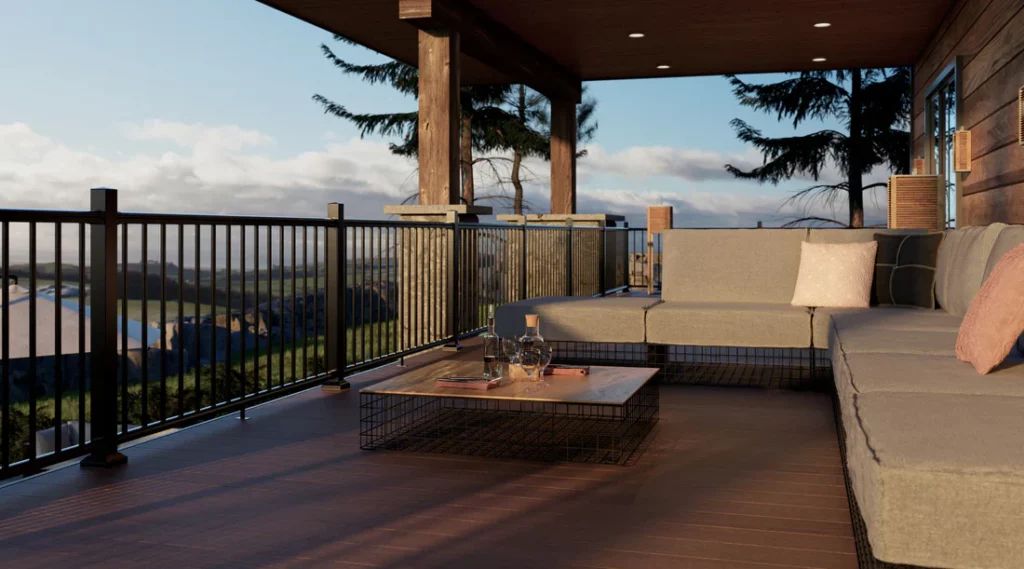
Fiberon offers both composite and PVC decking solutions that are engineered for low maintenance and weather resistance. Known for their realistic wood-grain textures and fade-resistant colors, Fiberon boards hold up against UV exposure and heavy rainfall.
This material is often used in sustainable building projects since Fiberon emphasizes eco-friendly manufacturing. Real-world applications include multi-family housing developments and commercial outdoor spaces where durability and aesthetics must work hand in hand.
4. Ipe Hardwood
Ipe, a tropical hardwood, is naturally weather-resistant and incredibly durable. Often referred to as “ironwood,” Ipe has natural oils that protect it from rot, insects, and moisture. Its density makes it one of the hardest woods used for decking.
In real-world applications, Ipe is frequently chosen for high-end residential decks, boardwalks, and luxury resorts. While it requires more maintenance than composites, its unmatched natural beauty and lifespan-often over 40 years-make it a premium choice.
5. Aluminum Decking
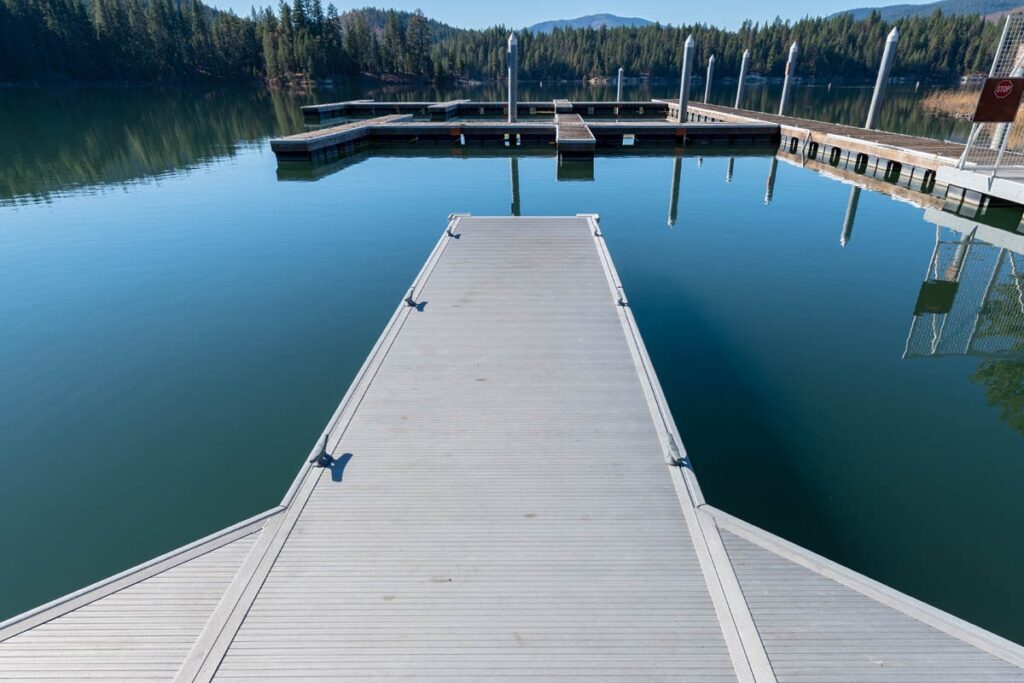
Aluminum decking is a less common but highly effective weatherproof material. It is completely resistant to water, rust, and insects. Its lightweight yet strong profile makes it suitable for docks, waterfront properties, and elevated decks.
Aluminum decking is also fire-resistant and reflects heat, keeping the surface cooler under the sun. In real-world use, it’s favored for lakeside decks and commercial waterfront projects where durability against constant moisture is crucial.
Practical Use Cases of Weatherproof Decking Materials
Weatherproof decking materials solve numerous real-world problems.
For homeowners in rainy or humid climates, materials like PVC or composite decking prevent mold and rot, ensuring a safe and attractive outdoor space. In poolside areas, slip-resistant finishes provide added safety, especially for families with children.
Commercial applications benefit greatly as well. Restaurants and resorts often rely on weatherproof decking to create outdoor dining or lounge areas that maintain their beauty despite constant use and exposure to the elements. Public boardwalks and waterfronts also use these materials to ensure longevity with minimal maintenance.
In regions with harsh winters, weatherproof decking resists freeze-thaw damage that would otherwise crack traditional wood. This makes it a reliable choice for mountain homes and ski resorts.
Advancements in Technology for Decking Materials
Modern technology has transformed the decking industry. Composite boards now use advanced capping technology, creating a protective shell around the core that resists staining, fading, and scratching. PVC boards incorporate engineered cellular structures that improve strength while keeping them lightweight.
Some manufacturers also integrate heat-reflective technology into their boards, keeping decks cooler underfoot during hot summer months. Others focus on sustainability, using recycled plastics and reclaimed wood fibers to reduce environmental impact.
These innovations ensure that weatherproof decking materials not only perform well but also align with modern demands for eco-friendly and low-maintenance construction.
Frequently Asked Questions
Q1. How long do weatherproof decking materials last?
Most high-quality weatherproof decking materials, such as composites and PVC, last 25–50 years with minimal maintenance. Tropical hardwoods like Ipe can last even longer, while aluminum decking can easily exceed 50 years.
Q2. Are weatherproof decking materials more expensive than wood?
The initial cost of composites, PVC, or aluminum is typically higher than untreated wood. However, their long lifespan and low maintenance requirements make them more cost-effective over time.
Q3. Do weatherproof decking materials require special cleaning?
No, most weatherproof decking materials only need occasional cleaning with water and mild soap. They do not require annual staining, sealing, or painting like traditional wood.