Modern Brick Exterior Houses Design Ideas, Benefits, and Real-World Applications
Brick has been a timeless construction material for centuries, offering durability, thermal performance, and visual appeal. In contemporary architecture, modern brick exterior houses combine traditional masonry with innovative designs to create homes that are both stylish and functional.
This article provides an in-depth look at modern brick exterior houses, exploring design trends, benefits, technological advancements, and real-world examples that showcase how brick can transform residential architecture.
Understanding Modern Brick Exterior Houses
Modern brick exterior houses integrate traditional brickwork with contemporary design elements. This often includes large windows, minimalist forms, mixed materials, and innovative color palettes. Unlike classic brick homes, modern designs emphasize clean lines, functional layouts, and energy efficiency.
Brick is inherently strong and weather-resistant, making it ideal for external walls. In addition, modern construction techniques allow bricks to be used creatively, from cantilevered walls to intricate patterns, enhancing both aesthetics and structural integrity.
Key Features of Modern Brick Exterior Houses
Aesthetic Flexibility
Modern brick homes offer a wide range of aesthetic possibilities. Different brick sizes, colors, textures, and laying patterns allow architects to create unique façades. The combination of brick with glass, steel, or wood adds depth and contrast, making the design visually striking.
This flexibility also allows homeowners to adapt brick designs to various architectural styles, from industrial lofts to minimalist suburban homes, without compromising on modernity or appeal.
Durability and Thermal Performance
Bricks naturally provide excellent thermal mass, helping regulate indoor temperatures. They absorb heat during the day and release it at night, reducing energy consumption for heating and cooling. Brick exteriors are also resistant to weather, fire, pests, and general wear, making them a long-term investment for homeowners seeking sustainability and resilience.
Popular Modern Brick Design Approaches
Minimalist Brick Façades
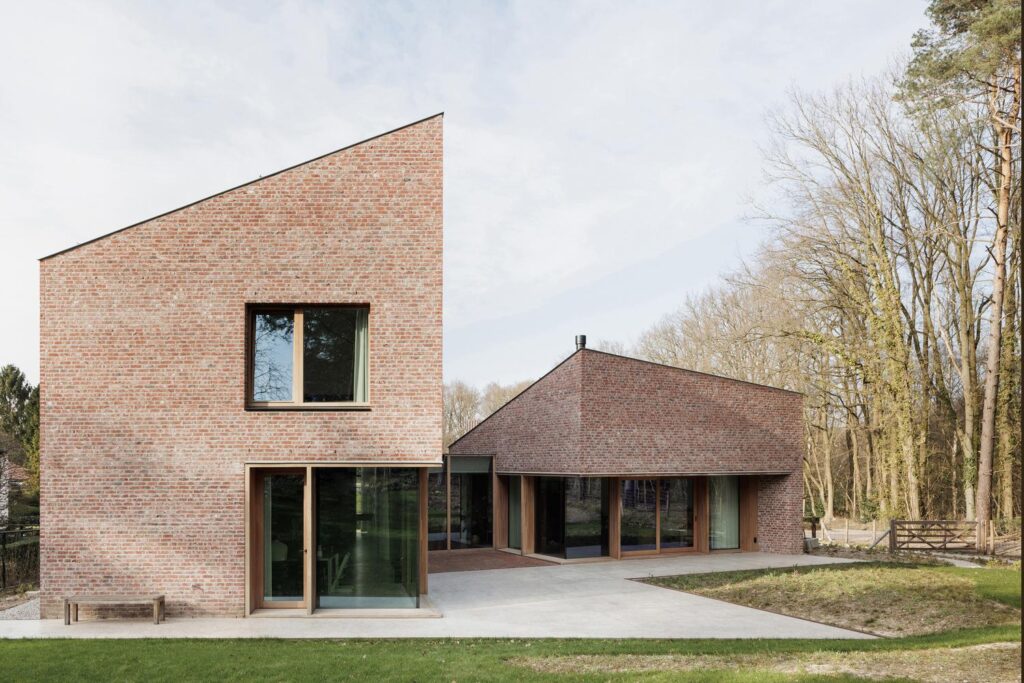
Minimalist brick designs focus on simplicity, emphasizing straight lines, uniform brick patterns, and monochromatic color schemes. This style complements modern interior layouts and is ideal for urban settings where clean aesthetics are desired.
Minimalist brick façades reduce visual clutter while highlighting the natural texture of the brick. They can be combined with large glass windows or metal accents for an elegant contemporary look.
Mixed Material Designs
Mixing brick with materials like wood, concrete, or metal adds contrast and modern flair. This approach allows designers to highlight certain architectural features, such as cantilevered sections, entrance areas, or outdoor patios.
In addition to aesthetics, combining materials can improve insulation and performance. For example, using insulated panels behind brick walls enhances energy efficiency without compromising style.
Patterned Brickwork
Patterned brickwork includes herringbone, stacked bond, or textured finishes that create visual depth and interest. By manipulating brick orientation or spacing, architects achieve dynamic surfaces that transform traditional brick into a modern architectural element.
This approach is especially effective for feature walls, entrance façades, or exterior sections that require accentuation.
Real-World Examples of Modern Brick Exterior Houses
1. Contemporary Suburban Home with Red Brick Cladding
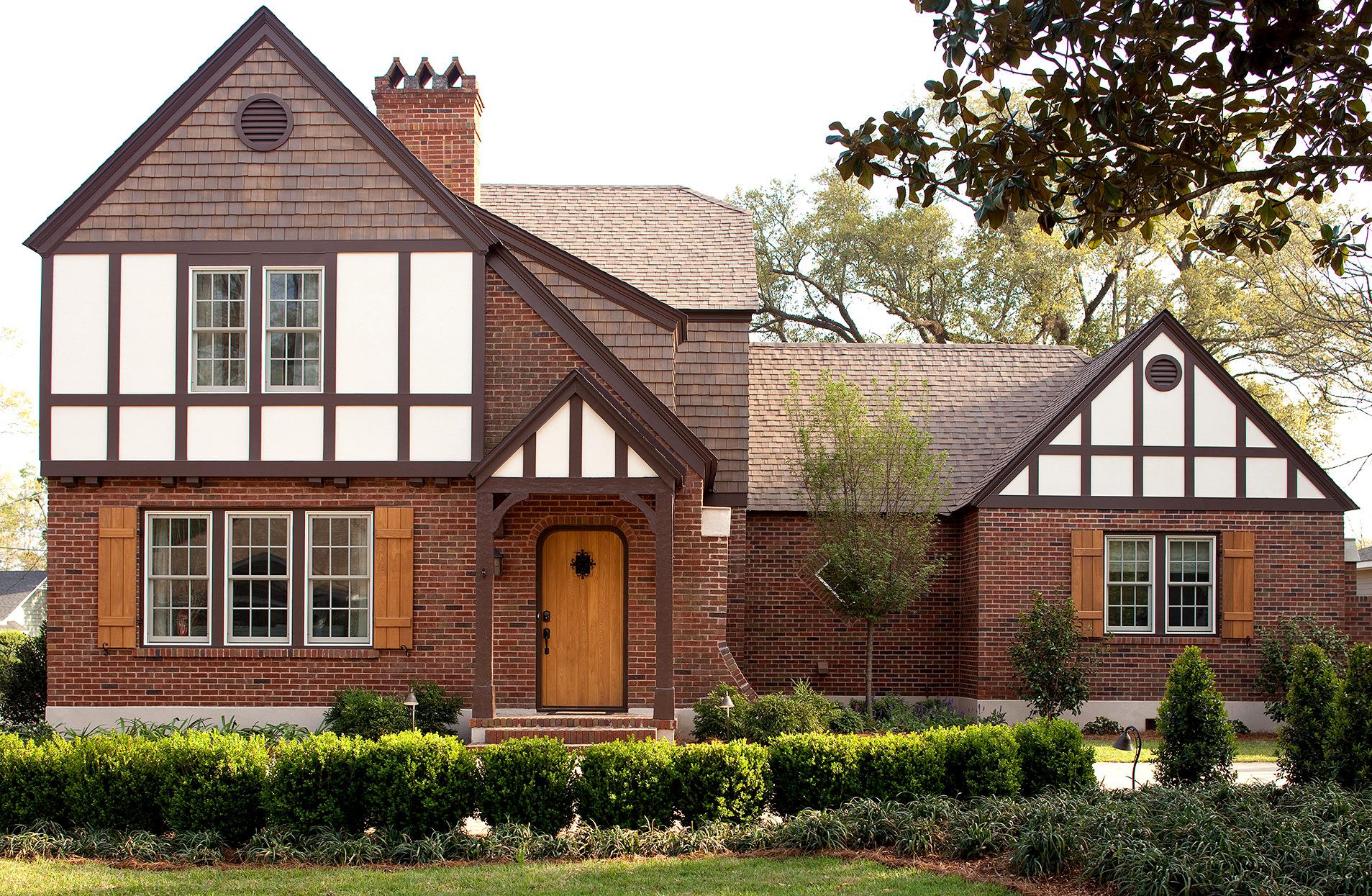
Red brick is a classic choice that blends tradition with modernity. This home combines uniform red brickwork with expansive glazing to create a bright, open interior. The façade’s clean lines and minimalist detailing showcase how traditional materials can achieve a modern aesthetic.
The relevance lies in balancing durability, thermal performance, and visual appeal, making it suitable for suburban environments where longevity and low maintenance are priorities.
2. Industrial Loft-Style Brick House
Industrial-inspired modern homes use exposed brick as a design feature, often paired with steel frames and concrete elements. This approach emphasizes raw textures, structural honesty, and open-plan interiors.
Brick provides the perfect balance of warmth and ruggedness, enhancing the loft’s contemporary industrial character while maintaining energy efficiency and durability.
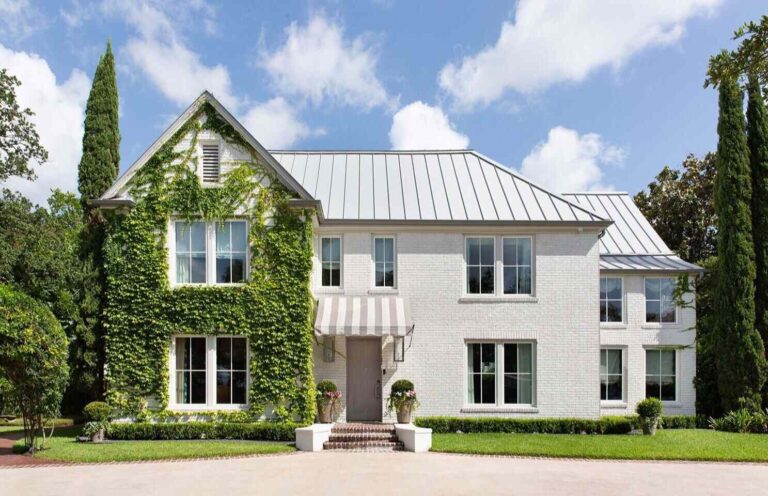
3. Minimalist White Brick Home
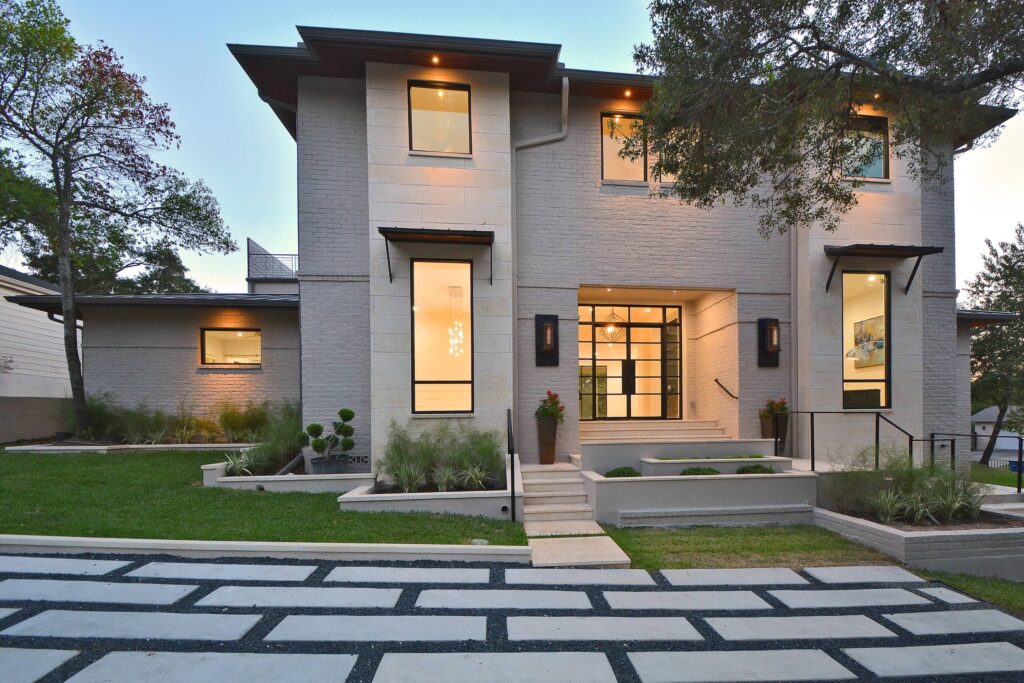
White brick is a modern twist on traditional masonry. It reflects light, creates a clean aesthetic, and works well with minimalist architectural forms. In 2025, homeowners increasingly prefer white or light-colored bricks for contemporary urban homes to achieve a sleek, modern exterior.
This example demonstrates how brick can adapt to modern color trends while retaining structural strength and low maintenance requirements.
4. Mixed Material Eco-Friendly Brick House
Combining brick with wood or metal elements enhances design flexibility while promoting sustainability. Eco-friendly brick homes integrate energy-efficient bricks, insulated panels, and renewable energy systems, addressing both aesthetics and environmental impact.
The relevance is in creating modern homes that are not only visually striking but also energy-efficient and environmentally responsible.
5. Patterned Feature Wall Brick House

Patterned brick façades create focal points and elevate design sophistication. Architects often use this approach for main entrances or outdoor living areas, creating depth and visual interest.
This example highlights brick’s versatility, proving that even a traditional material can become a dynamic design element in contemporary architecture.
Benefits of Modern Brick Exterior Houses
Durability and Longevity
Bricks resist fire, pests, moisture, and extreme weather, ensuring homes last decades with minimal maintenance. Modern brick homes often outperform alternative exterior materials in terms of structural longevity.
Energy Efficiency
Thermal mass properties of bricks reduce heating and cooling costs. When combined with insulation, modern brick homes can achieve superior energy performance, contributing to sustainability and lower utility bills.
Aesthetic Flexibility
Brick’s versatility allows for minimalist, industrial, or mixed-material designs, ensuring homes are visually appealing and aligned with modern trends.
Low Maintenance
Brick façades require minimal upkeep compared to wood or painted surfaces. Occasional cleaning and inspection are sufficient to preserve their appearance and performance.
Practical Use Cases of Modern Brick Exterior Houses
Urban Residential Homes
Modern brick homes in cities balance aesthetic appeal with low-maintenance durability. They provide thermal regulation, noise reduction, and fire resistance in dense urban environments.
Suburban Family Homes
Brick façades offer long-lasting beauty, making them ideal for suburban homes where families seek durability, safety, and reduced maintenance.
Eco-Friendly and Sustainable Projects
Energy-efficient bricks combined with insulation and renewable energy systems contribute to green building practices, offering modern homeowners eco-conscious solutions.
Renovations and Extensions
Modern brick designs allow for seamless integration into older buildings, enhancing aesthetics and performance without compromising structural integrity.
Frequently Asked Questions
Q1: Are modern brick exterior houses more expensive than other materials?
Initial costs may be higher than vinyl or fiber cement, but bricks offer long-term durability, low maintenance, and energy efficiency, making them cost-effective over time.
Q2: Can brick be used in all climates?
Yes, brick is suitable for a wide range of climates. Its thermal mass helps in hot and cold regions, while modern installation techniques prevent moisture penetration in rainy areas.
Q3: Do modern brick homes require frequent maintenance?
No, brick is low-maintenance. Occasional cleaning and inspections are sufficient, unlike wood or painted exteriors that require regular treatment.