Low Maintenance House Siding Top Materials and Trends for 2025
When considering exterior home improvements, choosing the right siding is crucial for both aesthetics and functionality. In 2025, homeowners are increasingly leaning towards low-maintenance siding options that offer durability, energy efficiency, and minimal upkeep. This article delves into the top low-maintenance house siding materials, their benefits, real-world applications, and how they align with current design trends.
Understanding Low-Maintenance House Siding
Low-maintenance house siding refers to materials that require minimal care and upkeep over time. These materials are designed to withstand various weather conditions, resist common issues like rot and pests, and maintain their appearance without frequent painting or sealing. Opting for such siding not only saves homeowners time and money but also contributes to the longevity and value of the property.
In 2025, the focus is on materials that combine sustainability with performance. Homeowners are seeking options that not only reduce maintenance efforts but also align with eco-friendly practices and modern aesthetics.
Top Low-Maintenance Siding Materials for 2025
1. Fiber Cement Siding
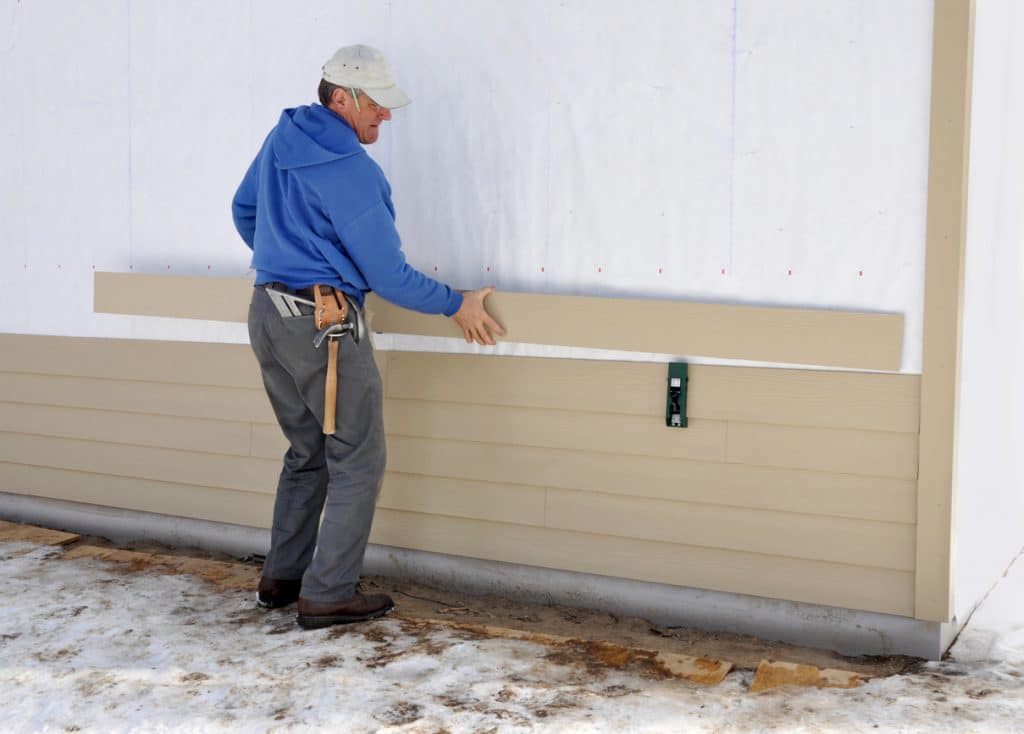
Fiber cement siding continues to be a leading choice for homeowners seeking durability and low maintenance. Made from a blend of cement, sand, and cellulose fibers, this material is resistant to termites, rot, and fire. It also holds paint well, reducing the need for frequent touch-ups. Modern advancements have introduced deeper embossing and wider boards, enhancing their aesthetic appeal. Additionally, factory-finished color systems now offer richer palettes that resist fading for extended periods.
2. Vinyl Siding
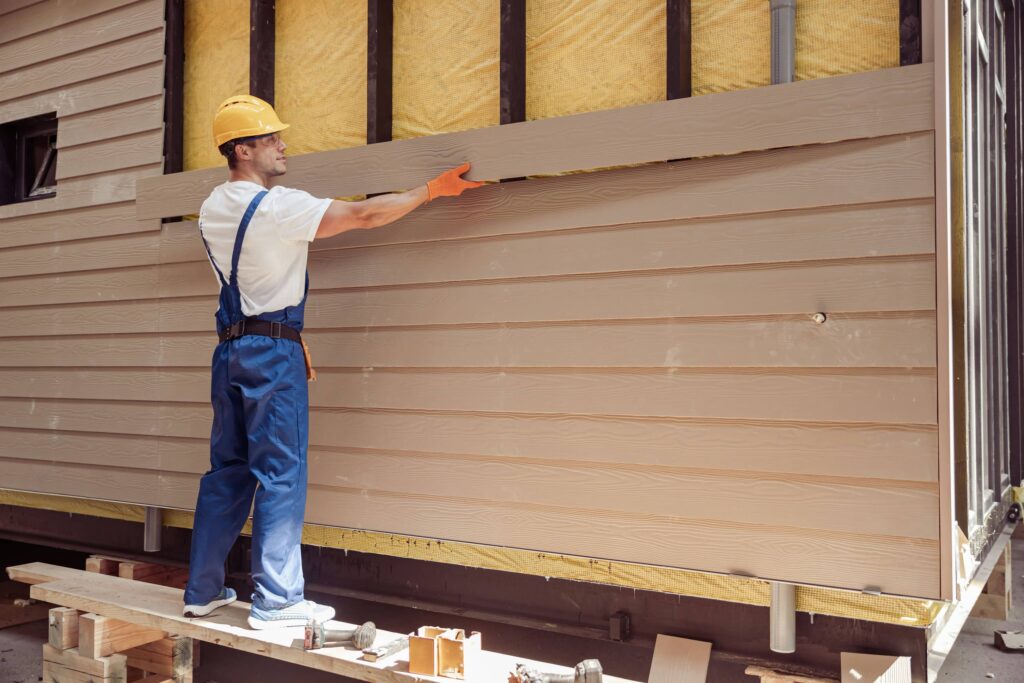
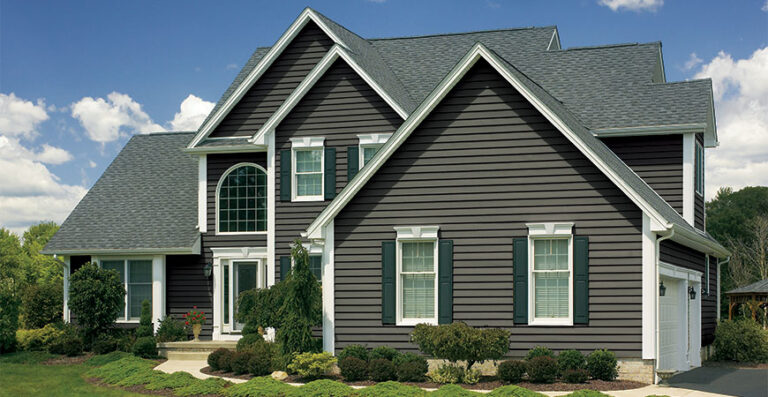
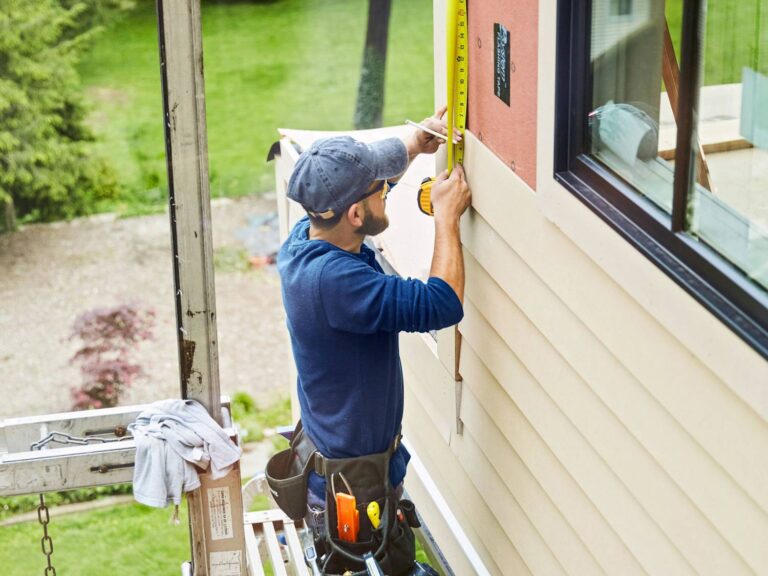
Vinyl siding remains a popular low-maintenance option due to its affordability and ease of installation. With a lifespan of 20 to 40 years, vinyl siding requires minimal upkeep, usually limited to occasional cleaning. It does not require painting, as the color is baked in during manufacturing. However, it’s important to note that vinyl siding may not offer the same level of durability and aesthetic appeal as newer materials like fiber cement.
3. Engineered Wood Siding
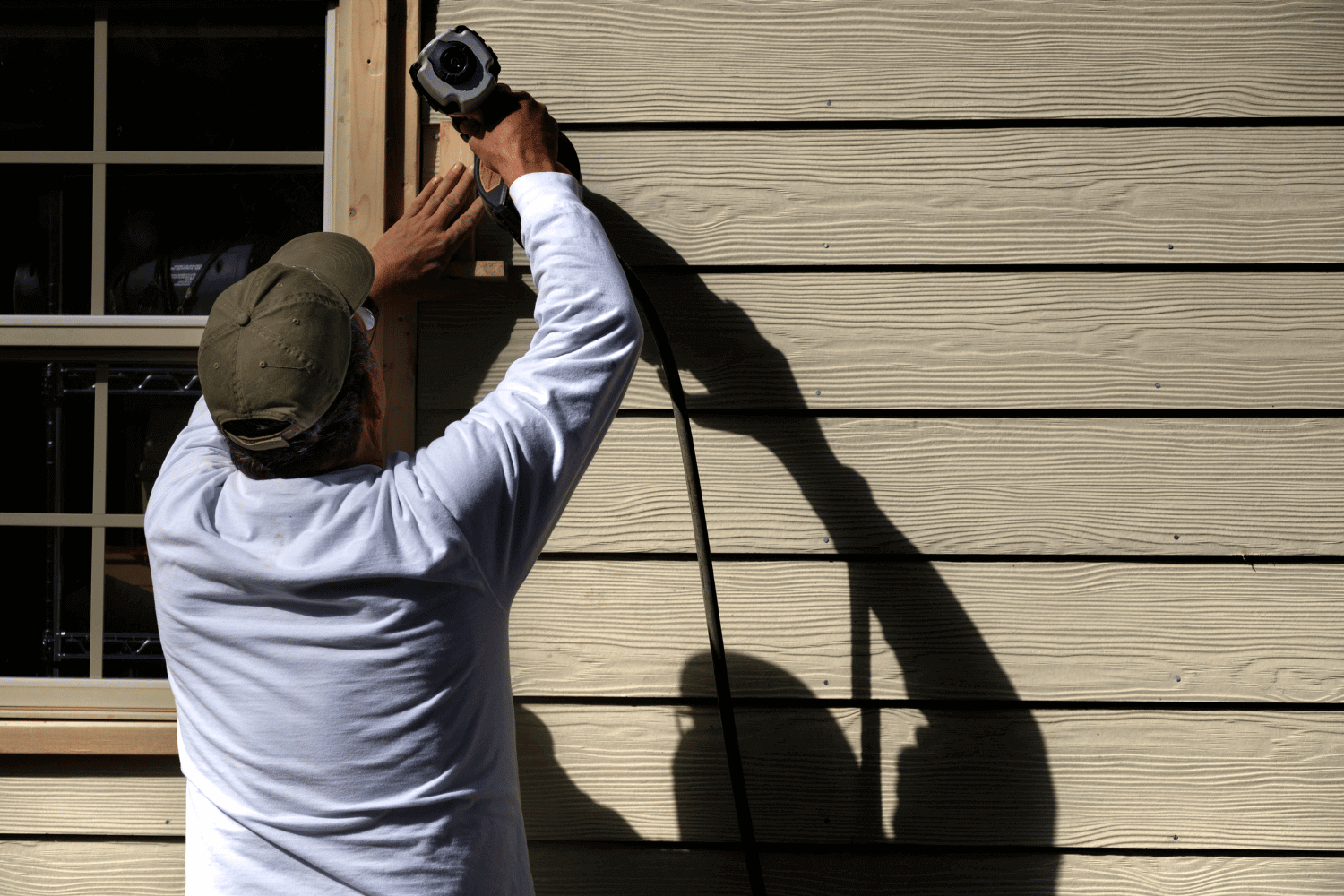
Engineered wood siding provides the natural look of wood with enhanced durability and lower maintenance needs. Composed of wood fibers and resins, this material is resistant to warping and splitting. It offers a variety of styles and finishes, allowing homeowners to achieve a traditional wood appearance without the associated upkeep.
4. Metal Siding (Aluminum or Steel)
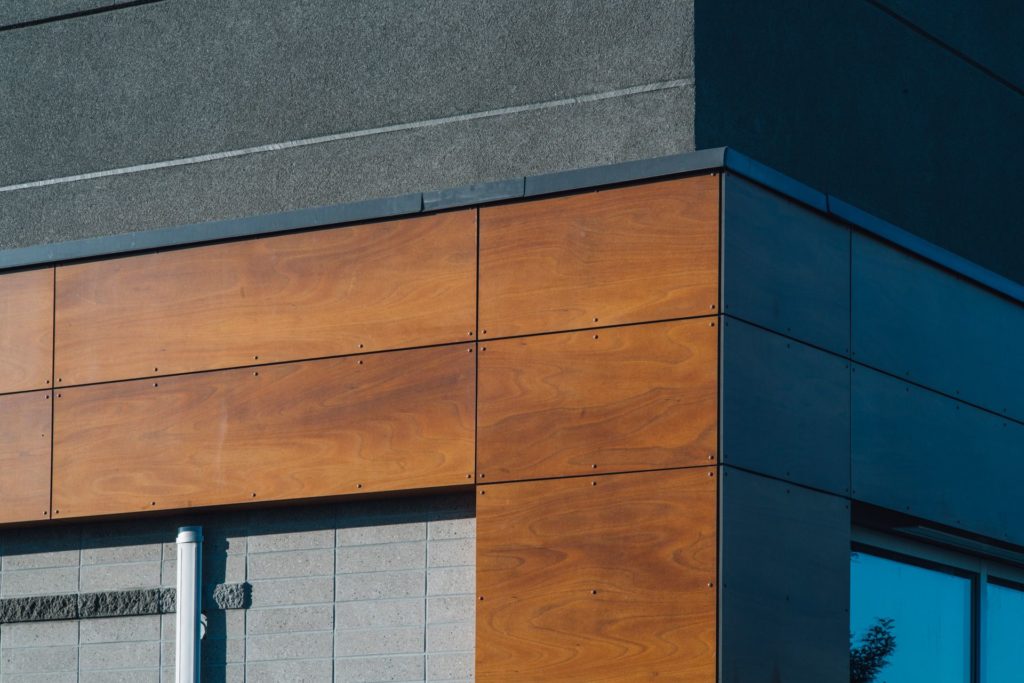
Metal siding, including aluminum and steel, is gaining popularity for its modern aesthetic and low maintenance requirements. These materials are fire-resistant, insect-resistant, and can withstand harsh weather conditions. Available in various textures and colors, metal siding offers versatility in design. However, it’s important to consider that metal siding may dent from hail or impact, and steel can rust if protective coatings are compromised.
Benefits of Low-Maintenance Siding
Opting for low-maintenance siding materials offers several advantages:
-
Reduced Upkeep: Materials like fiber cement and metal siding require less frequent painting and sealing, saving homeowners time and effort.
-
Enhanced Durability: These materials are designed to withstand various weather conditions, reducing the need for repairs and replacements.
-
Improved Energy Efficiency: Some siding materials, such as insulated vinyl, can contribute to better thermal performance, leading to energy savings.
-
Aesthetic Appeal: Modern low-maintenance siding options come in a variety of styles and colors, allowing homeowners to achieve their desired look without compromising on functionality.
Real-World Applications of Low-Maintenance Siding
Coastal Homes
Homes located in coastal areas are exposed to saltwater, high humidity, and strong winds. Fiber cement and metal siding are ideal choices for these environments due to their resistance to corrosion and ability to withstand harsh conditions. For instance, a coastal property in Florida utilized fiber cement siding to protect against the salty air and high winds, ensuring the home’s exterior remained intact and aesthetically pleasing.
Urban Dwellings
Urban homes often face challenges like pollution and limited space. Engineered wood siding offers a solution by providing a natural wood appearance without the maintenance concerns associated with traditional wood siding. An urban residence in New York City incorporated engineered wood siding to achieve a modern look while minimizing upkeep amidst the city’s demanding environment.
Rural Properties
Rural properties are subject to various elements, including pests and fluctuating temperatures. Metal siding, such as steel, offers durability and resistance to these factors. A rural farmhouse in Texas installed steel siding to protect against termite infestations and extreme weather conditions, ensuring the longevity of the structure.
Trends in Low-Maintenance Siding for 2025
-
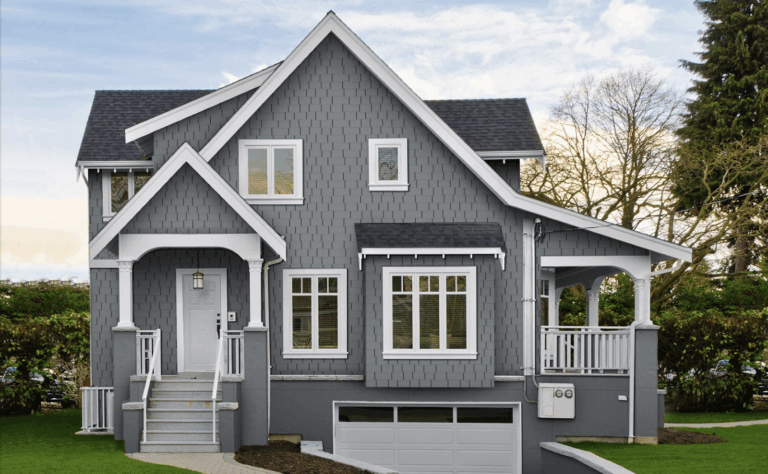
Bold, Dark Colors: Deep hues like charcoal, navy, and forest green are trending, offering a sleek, modern look that contrasts beautifully with white trim or natural wood accents.
-
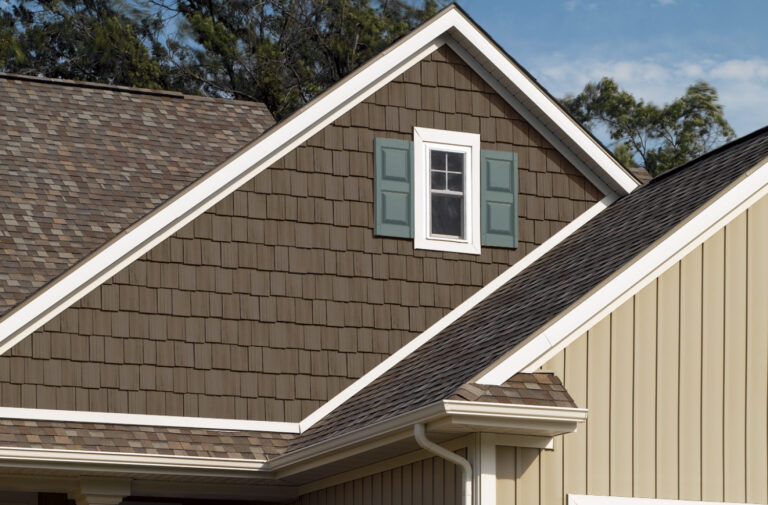
Textured Finishes: Materials that replicate the warmth and depth of natural wood-without the maintenance gaining popularity. Homeowners are leaning into fiber cement and engineered wood siding that combines durability with charm.
-
Mixed Materials: Pairing stone, metal, and wood-look siding together creates layered exteriors that feel custom and high-end. Expect to see more homes mixing textures and materials to add depth and personality.
Frequently Asked Questions
1. What is the most durable low-maintenance siding material?
Fiber cement siding is considered one of the most durable low-maintenance materials, offering resistance to fire, termites, and rot, with a lifespan exceeding 50 years.
2. Does vinyl siding require frequent maintenance?
Vinyl siding requires minimal maintenance, typically limited to occasional cleaning. It does not need painting, as the color is baked in during manufacturing.
3. Can metal siding be used in coastal areas?
Yes, metal siding, particularly aluminum, is suitable for coastal areas due to its resistance to saltwater corrosion. However, it’s essential to ensure proper protective coatings to prevent rust.