Board and Batten Siding Installation A Comprehensive Guide for 2025
Board and Batten Siding Installation is a timeless architectural style that combines rustic charm with modern appeal. This vertical siding technique involves wide boards spaced apart, with narrow battens covering the seams. Originally used in barns and rural homes, it has evolved into a popular choice for contemporary residences seeking a blend of tradition and sophistication.
In this guide, we will delve into the essential aspects of board and batten siding installation, including material selection, preparation, step-by-step installation procedures, design considerations, and maintenance tips. Whether you’re a seasoned DIY enthusiast or a homeowner considering professional installation, this comprehensive resource will equip you with the knowledge needed to achieve a flawless finish.
Understanding Board and Batten Siding
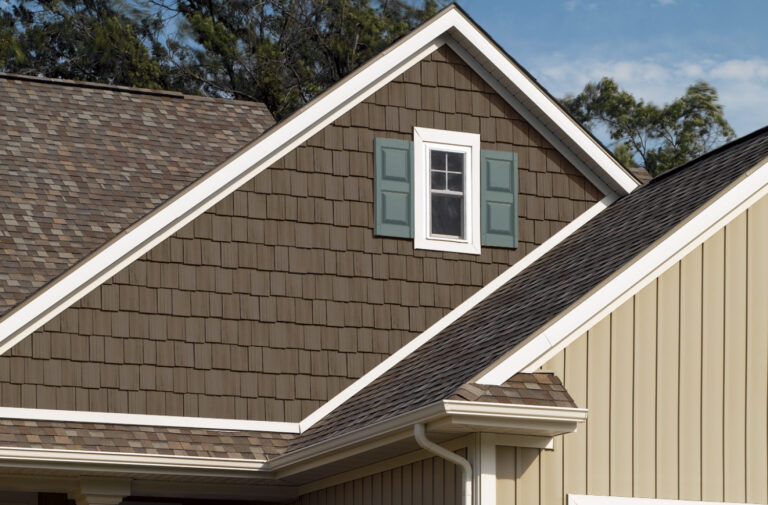
Board and batten siding is characterized by its vertical orientation, where wide boards are installed with narrow battens placed over the seams. This design not only enhances the aesthetic appeal but also provides functional benefits such as improved water runoff and ventilation. The style can be adapted to various architectural themes, from traditional farmhouses to modern urban dwellings.
The materials used for board and batten siding have diversified over time. While traditional wood options like cedar and pine remain popular for their natural beauty and insulation properties, modern alternatives such as fiber cement and engineered wood offer enhanced durability and reduced maintenance. These materials are designed to withstand various weather conditions, ensuring the longevity of the siding.
Preparing for Installation
Proper preparation is crucial to ensure a successful board and batten siding installation. Begin by assessing the existing exterior of your home. Remove any old siding, nails, or debris to create a clean surface. Inspect the underlying structure for any damage or rot and make necessary repairs. Ensure that the wall is plumb and level, as this will affect the alignment of the boards and battens.
Next, install a weather-resistant barrier, such as a house wrap or felt paper, over the exterior sheathing. This layer acts as a moisture barrier, protecting the underlying structure from water infiltration. Overlap the seams of the barrier and secure it with staples or nails, ensuring that it extends beyond the edges of the wall to direct water away from the siding.
Step-by-Step Installation Process
1. Marking the Layout
Start by determining the spacing of the boards and battens. Common batten widths range from 1.5 to 3 inches, with spacing between battens typically between 8 to 12 inches. Use a chalk line or laser level to mark vertical reference lines on the wall, ensuring consistent spacing and alignment.
2. Installing the First Board
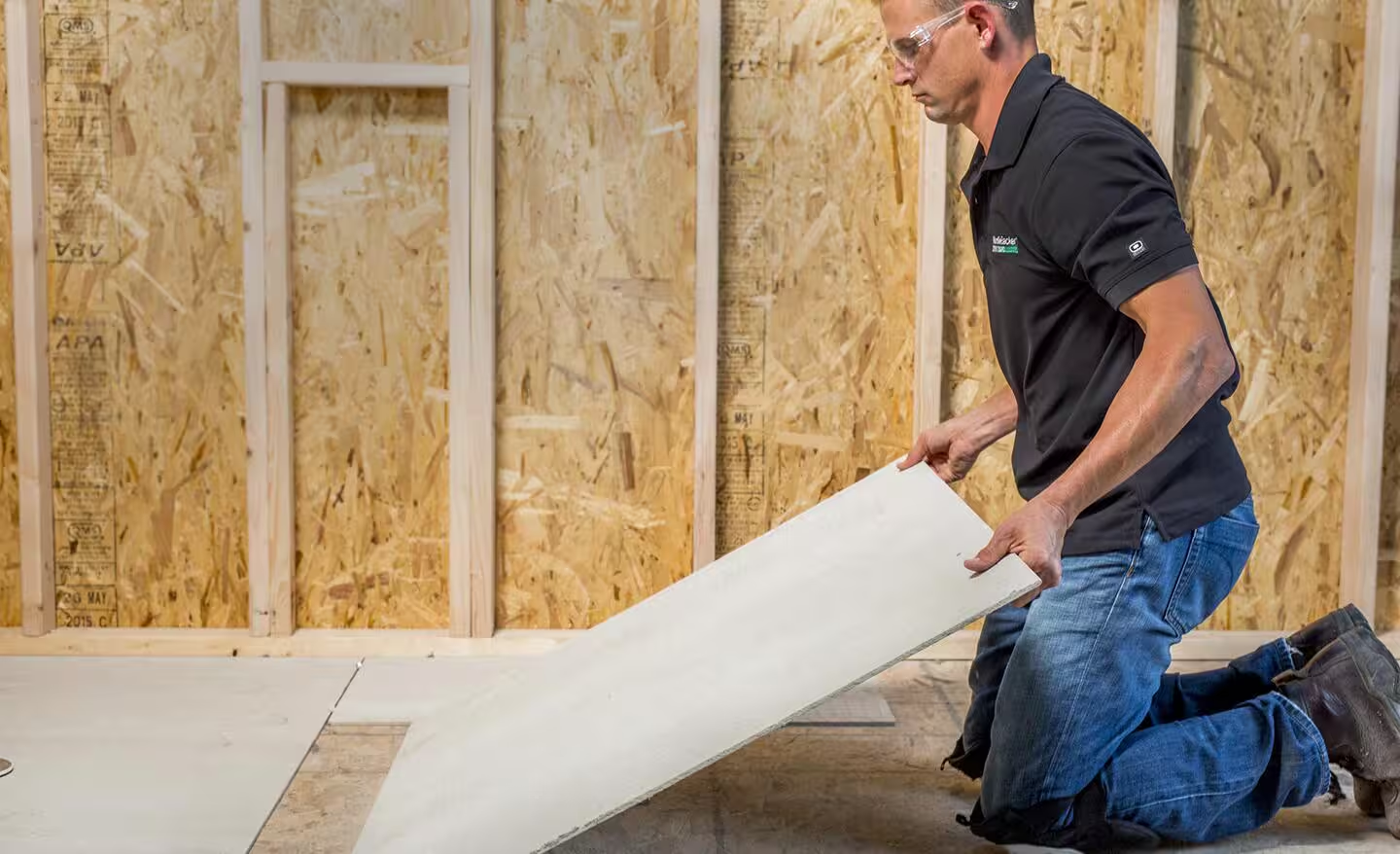
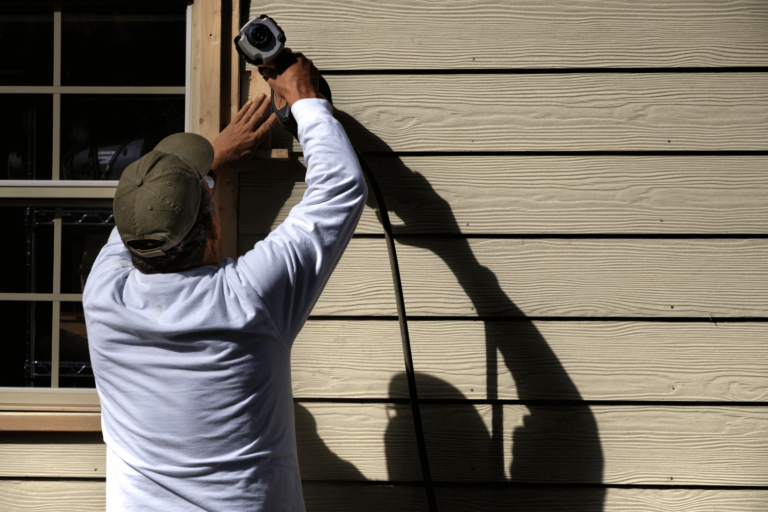
Begin at the bottom of the wall and install the first board horizontally, ensuring it is level. Secure the board with nails or screws, placing fasteners every 16 inches along the studs. Leave a small gap at the bottom to allow for expansion and drainage.
3. Adding the Battens
Place the battens over the seams between the boards, aligning them with the reference lines. Secure each batten with nails or screws, ensuring they penetrate the underlying boards and studs. Maintain consistent spacing between battens for a uniform appearance.
4. Installing Additional Boards
Continue installing additional boards above the first, overlapping the battens as you go. Ensure each board is level and securely fastened. Use a level to check the alignment of each board before securing it.
5. Trimming and Finishing
Once all boards and battens are installed, trim any excess material at the top and bottom to achieve a clean edge. Install trim pieces around windows, doors, and corners to complete the look. Caulk any gaps or seams to prevent water infiltration.
Design Considerations
Experiment with different batten widths and spacing to achieve the desired look. Incorporate contrasting trim colors to highlight architectural features. Consider the overall color scheme of your home to ensure the siding complements the existing palette.
Lighting plays a significant role in highlighting the texture and depth of board and batten siding. Strategic placement of exterior lighting can accentuate the vertical lines and create dramatic shadows, enhancing the architectural features of your home.
Maintenance Tips
Regular maintenance is essential to preserve the appearance and longevity of board and batten siding. Inspect the siding annually for signs of damage, such as cracks, warping, or discoloration. Clean the surface periodically to remove dirt, mildew, and other contaminants. For wood siding, apply a protective finish every few years to prevent moisture damage and UV degradation.
Ensure that gutters and downspouts are functioning properly to direct water away from the siding. Address any drainage issues promptly to prevent water accumulation behind the siding. Trim vegetation near the siding to allow for proper air circulation and reduce the risk of moisture-related problems.
Real-World Applications
1. Residential Homes
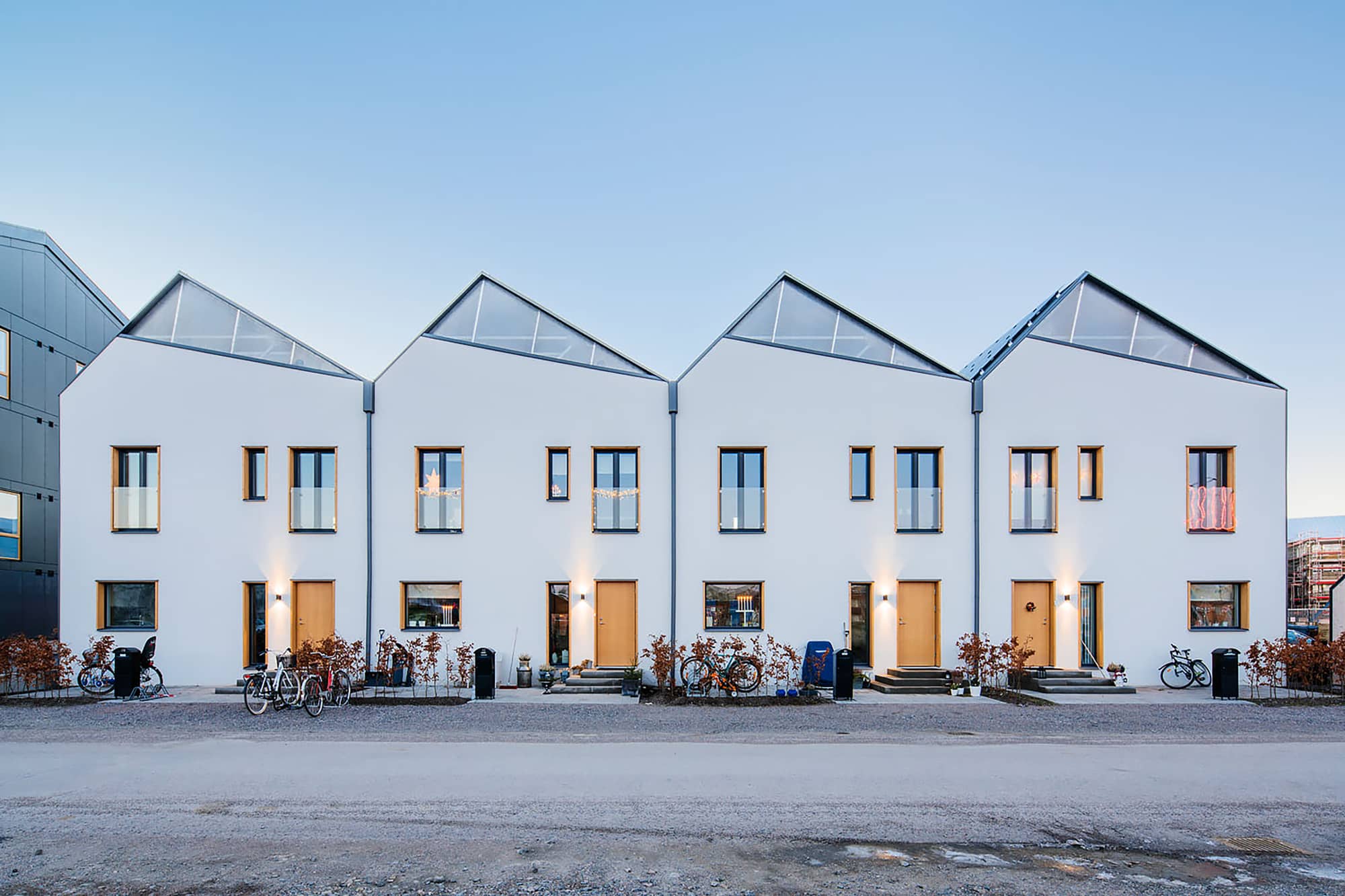
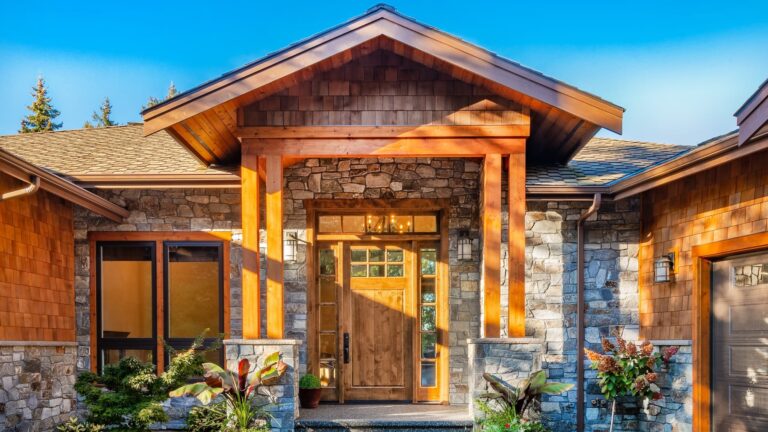
Its vertical lines and textured surface add character and charm to the exterior. Homeowners often choose this style to create a rustic yet refined appearance that blends seamlessly with natural surroundings.The Spruce
2. Commercial Buildings
The style can be adapted to suit modern or traditional aesthetics, depending on the desired branding and customer experience.
3. Agricultural Structures
Originally popularized in barns and agricultural buildings, board and batten siding remains a practical choice for these structures. Its durability and ease of installation make it suitable for environments where functionality is paramount.
Frequently Asked Questions
1. Can board and batten siding be installed over existing siding?
Yes, board and batten siding can be installed over existing siding, provided the underlying surface is in good condition. It’s essential to ensure that the existing siding is securely attached and free from moisture damage. In some cases, additional furring strips may be required to create a level surface for the new siding.
2. How do I prevent moisture issues with board and batten siding?
To prevent moisture problems, ensure proper installation of a weather-resistant barrier beneath the siding. Maintain adequate spacing between boards to allow for ventilation and drainage. Regularly inspect and maintain gutters and downspouts to direct water away from the siding.
3. Is board and batten siding suitable for all climates?
Board and batten siding can be suitable for various climates, depending on the material used. It’s important to choose materials that are appropriate for your local climate to ensure the longevity of the siding.