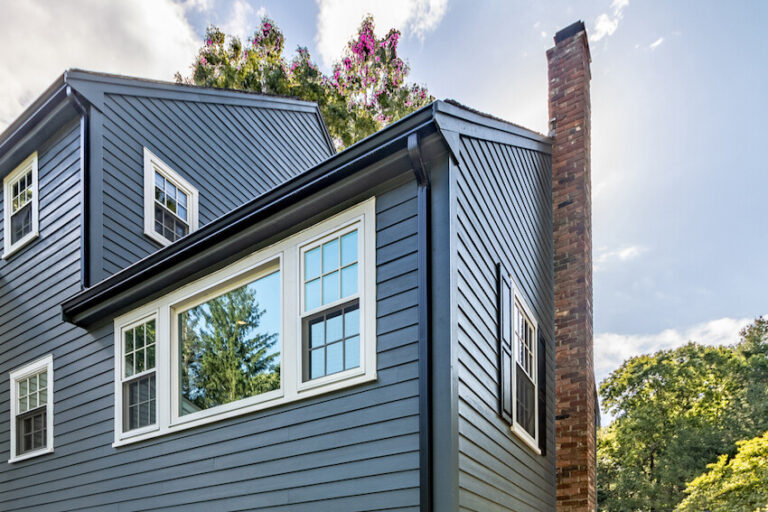
Aluminum Siding Replacement Comprehensive Guide for Homeowners
Aluminum siding has long been a popular choice for homeowners due to its durability and low maintenance requirements. However, over time, factors such as weather exposure, physical damage, and aesthetic preferences may necessitate a replacement. This guide provides a detailed overview of aluminum siding replacement, covering materials, installation processes, benefits, real-world examples, and practical use cases.
Understanding Aluminum Siding
Aluminum siding is a metal exterior covering for homes, typically made from high-grade aluminum alloy. It gained popularity in the mid-20th century for its resistance to rot, termites, and fire. Additionally, aluminum siding is lightweight, making it easier to install compared to other materials.
Over time, aluminum siding can suffer from issues such as fading, denting, and corrosion, especially in areas with harsh weather conditions. While it is durable, its appearance may degrade, prompting homeowners to consider replacement options.
Signs That Indicate the Need for Replacement
Several indicators suggest that it’s time to replace your aluminum siding:
-
Dents and Dings: Physical damage from hail, impacts, or accidents can compromise the siding’s integrity.
-
Fading and Discoloration: Exposure to UV rays can cause the paint to fade, leading to an uneven appearance.
-
Corrosion and Rust: Moisture accumulation can lead to rust spots, weakening the material.
-
Warping or Buckling: Improper installation or moisture infiltration can cause the siding to warp or buckle.
-
High Energy Bills: Damaged siding may reduce the home’s insulation, leading to increased heating and cooling costs.
Materials for Siding Replacement
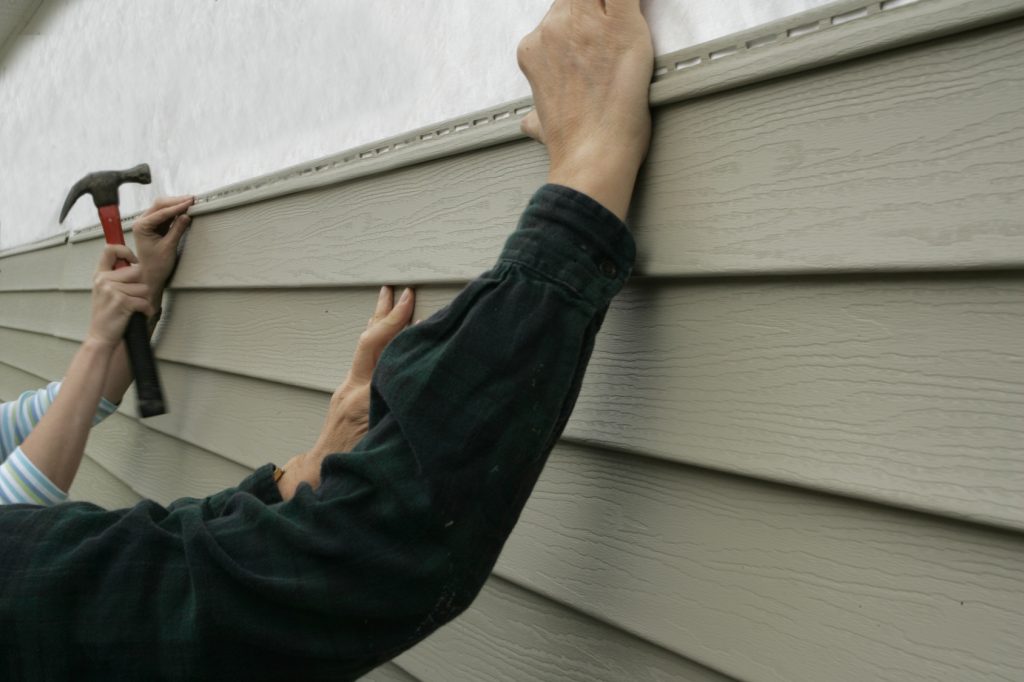
When replacing aluminum siding, homeowners have several material options:
-
Vinyl Siding: A cost-effective and low-maintenance alternative that comes in various colors and styles.
-
Fiber Cement Siding: Offers durability and can mimic the appearance of wood or masonry.
-
Wood Siding: Provides a natural aesthetic but requires regular maintenance to prevent decay.
-
Engineered Wood Siding: Combines the look of wood with enhanced durability and lower maintenance needs.
-
Steel Siding: Highly durable and resistant to impact, though it may be more expensive.
Each material has its advantages and considerations, and the choice depends on factors such as budget, desired aesthetic, and climate conditions.
Step-by-Step Guide to Aluminum Siding Replacement
1. Assess the Existing Siding
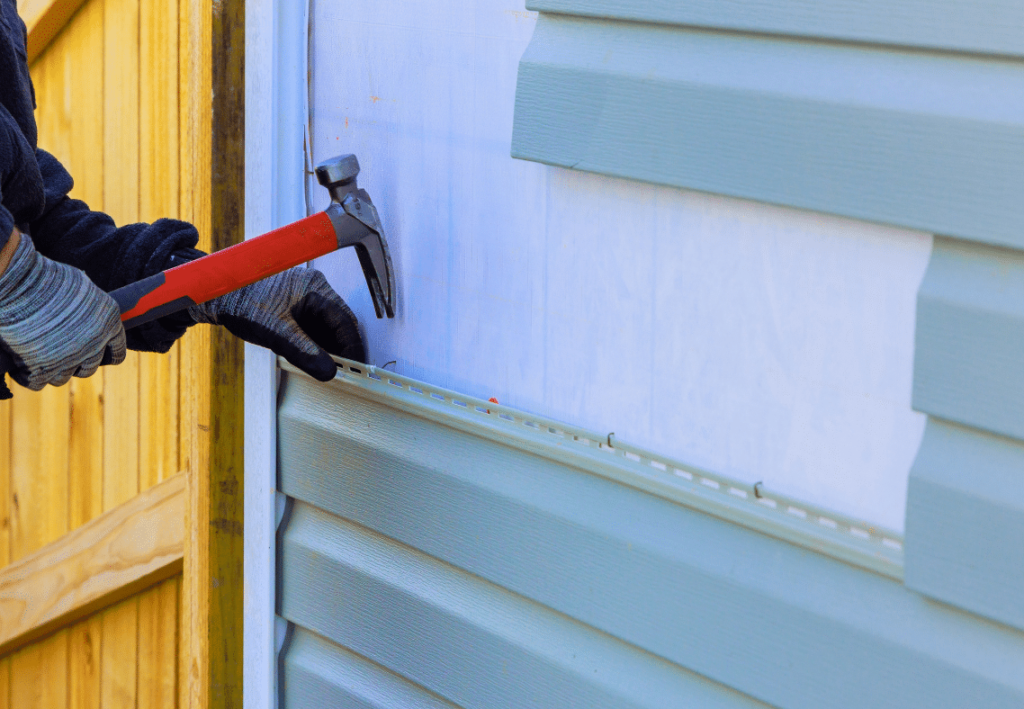
Before beginning the replacement process, evaluate the current siding’s condition. If only a small section is damaged, localized repairs may suffice. However, if widespread issues are present, full replacement is recommended.
2. Remove the Old Siding
Carefully detach the existing aluminum siding using appropriate tools. Take precautions to avoid damaging the underlying structure. If the siding is painted, consider removing the paint to ensure proper adhesion of the new material.
3. Inspect and Prepare the Underlying Structure
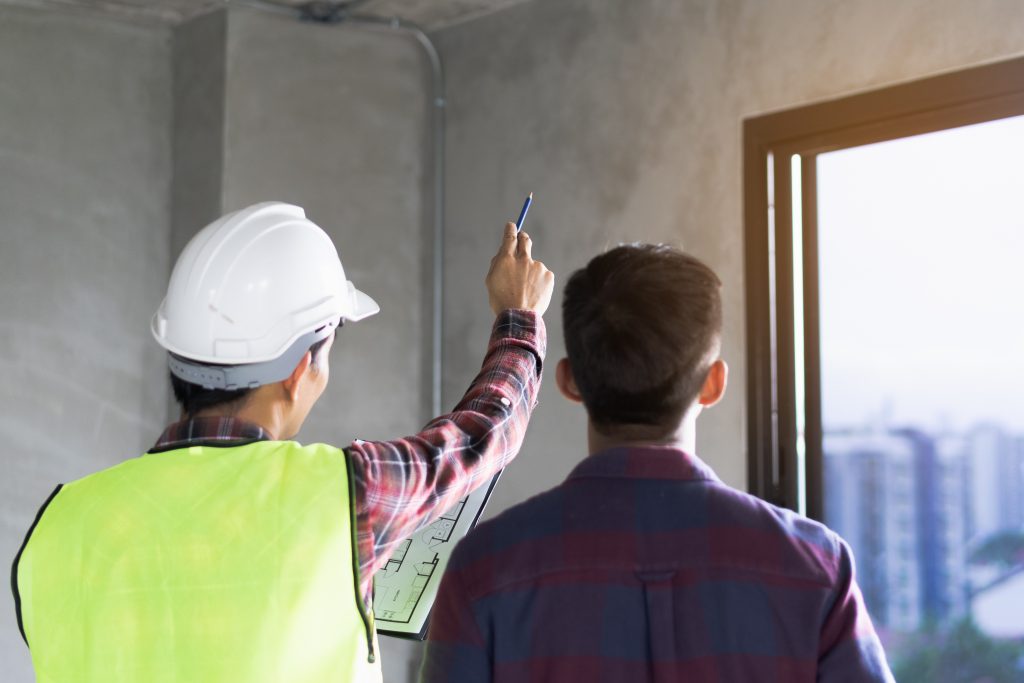
Check the sheathing and framing for any signs of damage or rot. Address any issues before proceeding to ensure a stable foundation for the new siding.
4. Install a Weather-Resistant Barrier
Apply a house wrap or other moisture barrier to protect the structure from water infiltration. Ensure that the barrier overlaps correctly at seams and corners.
5. Install the New Siding
Follow the manufacturer’s instructions for installing the chosen siding material. Ensure proper alignment, spacing, and fastening to achieve a secure and aesthetically pleasing result.
6. Apply Trim and Finishing Touches
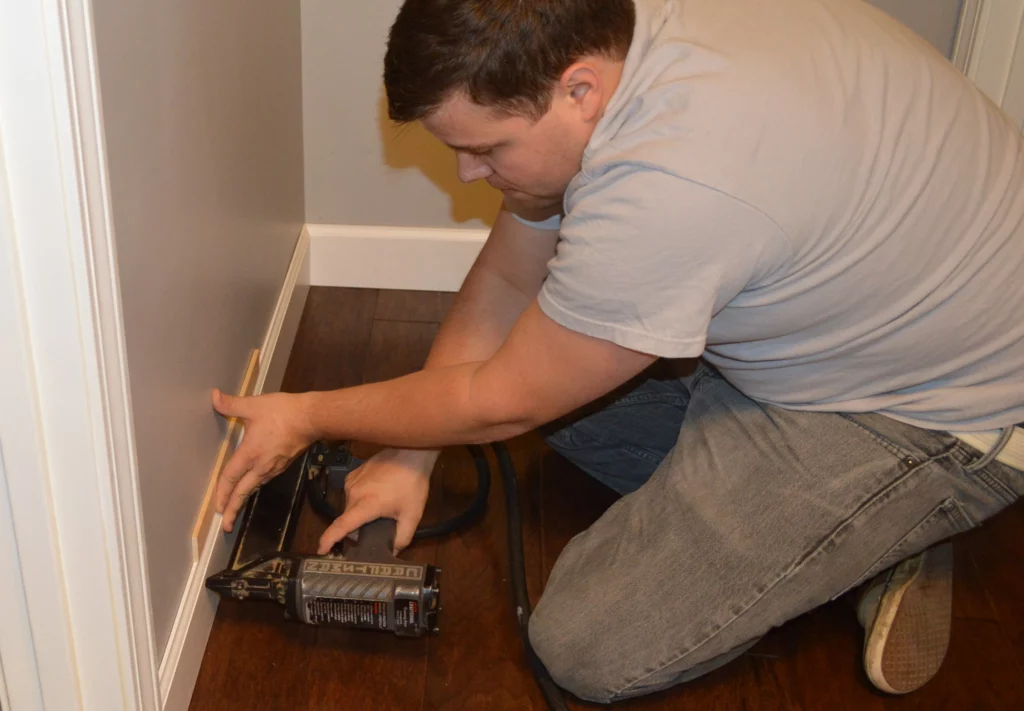
Install trim pieces around windows, doors, and corners to complete the look. Seal any gaps or seams to prevent moisture entry.
Benefits of Aluminum Siding Replacement
Replacing old aluminum siding offers several advantages:
-
Enhanced Aesthetic Appeal: New siding can significantly improve the home’s curb appeal.
-
Improved Energy Efficiency: Modern siding materials often provide better insulation, reducing energy costs.
-
Increased Property Value: A well-maintained exterior can boost the home’s market value.
-
Reduced Maintenance: Newer materials may require less upkeep compared to aging aluminum siding.
-
Better Protection: Advanced materials offer improved resistance to weather, pests, and fire.
Real-World Examples
1. Vinyl Siding Replacement
Homeowners opting for vinyl siding can achieve a fresh look with minimal maintenance. Vinyl is available in various colors and styles, allowing customization to match the home’s aesthetic. Additionally, it is resistant to fading and does not require painting.
2. Fiber Cement Siding Installation
Fiber cement siding provides a durable and fire-resistant option. It can mimic the appearance of wood or masonry, offering versatility in design. While it may require periodic painting, its longevity and resistance to pests make it a popular choice.thespruce.com
3. Engineered Wood Siding Application
Engineered wood siding combines the look of traditional wood with enhanced durability. It is less prone to warping and decay, reducing maintenance needs. This option is suitable for homeowners seeking a natural aesthetic without the upkeep associated with real wood.
Practical Use Cases
-
Home Renovations: Replacing old aluminum siding can transform the appearance of a home, aligning it with modern design trends.
-
Energy Efficiency Upgrades: Installing new siding with better insulation properties can lead to significant savings on energy bills.
-
Damage Restoration: After incidents like hailstorms, replacing damaged siding restores the home’s exterior and prevents further issues.
-
Pest Control: Upgrading to materials resistant to pests, such as termites, protects the structure from infestations.
Frequently Asked Questions
1. Can I replace just a section of damaged aluminum siding?
Yes, if the damage is localized, you can replace only the affected section. Ensure that the new piece matches the existing siding in style and color for a seamless appearance.
2. How long does aluminum siding replacement take?
The duration depends on the size of the home and complexity of the installation. On average, replacing aluminum siding can take several days to a week.
3. Is professional installation necessary?
While experienced DIYers may undertake the project, professional installation ensures proper technique, safety, and warranty adherence.