Energy-Efficient Roofing Materials A Complete Guide to Sustainable and Durable Roof Solutions
Roofing plays a critical role in determining a home’s energy efficiency. As the primary barrier against sunlight, rain, and temperature fluctuations, a roof can either contribute to energy loss or provide insulation that keeps a home comfortable. Energy-efficient roofing materials are specifically designed to minimize heat absorption, reduce thermal transfer, and improve long-term performance.
These roofing solutions not only lower utility bills but also reduce strain on heating and cooling systems. By reflecting more sunlight and maintaining stable indoor temperatures, they make homes more sustainable and environmentally friendly. With advancements in roofing technology, homeowners now have a wide range of choices that combine durability, aesthetics, and eco-conscious performance.
Key Features of Energy-Efficient Roofing Materials
Energy-efficient roofs stand out because of their reflective surfaces, insulating properties, and long-lasting durability. Materials like reflective shingles, metal roofs, and clay tiles are engineered to keep heat away from the interior, lowering cooling costs in summer while providing insulation in winter.
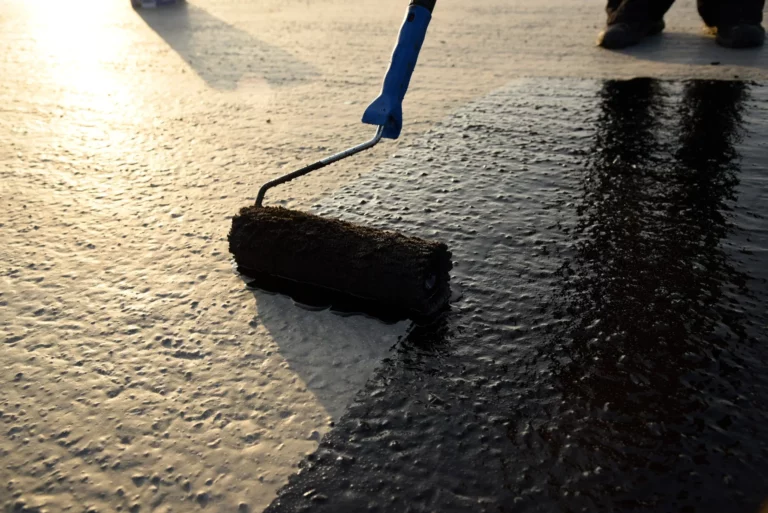
Another critical feature is cool roof technology, which uses reflective pigments and coatings to minimize heat absorption. These materials are often rated by their Solar Reflectance Index (SRI), a measure of how well they reflect sunlight and radiate absorbed heat. A higher SRI value generally means better energy efficiency.
Additionally, energy-efficient roofs are built to last. Unlike traditional asphalt shingles that degrade quickly, materials like metal, slate, and composite roofing can last decades while requiring minimal maintenance. This durability makes them an attractive investment for both homeowners and businesses.
Types of Energy-Efficient Roofing Materials
Several roofing options qualify as energy-efficient, each offering unique benefits and applications depending on climate and building style.
-
Metal Roofing: Known for its reflectivity, metal is one of the most effective materials for reducing heat gain. It is also lightweight and recyclable.
-
Clay and Concrete Tiles: Popular in warm climates, these materials naturally reflect heat and provide excellent airflow under the roof.
-
Slate Roofing: Durable and insulating, slate offers natural energy efficiency and aesthetic appeal.
-
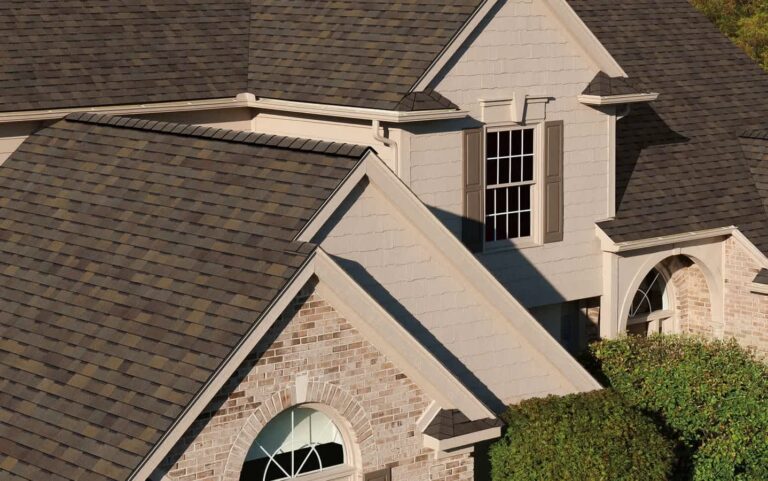
Cool Asphalt Shingles: Specially coated shingles designed to reflect more sunlight than traditional asphalt.
-
Green Roofs: Living roofs covered in vegetation provide insulation and reduce heat absorption while improving urban air quality.
Each type offers distinct benefits, making it important to choose based on local climate and architectural needs.
Real-World Examples of Energy-Efficient Roofing Materials
1. Cool Metal Roofing
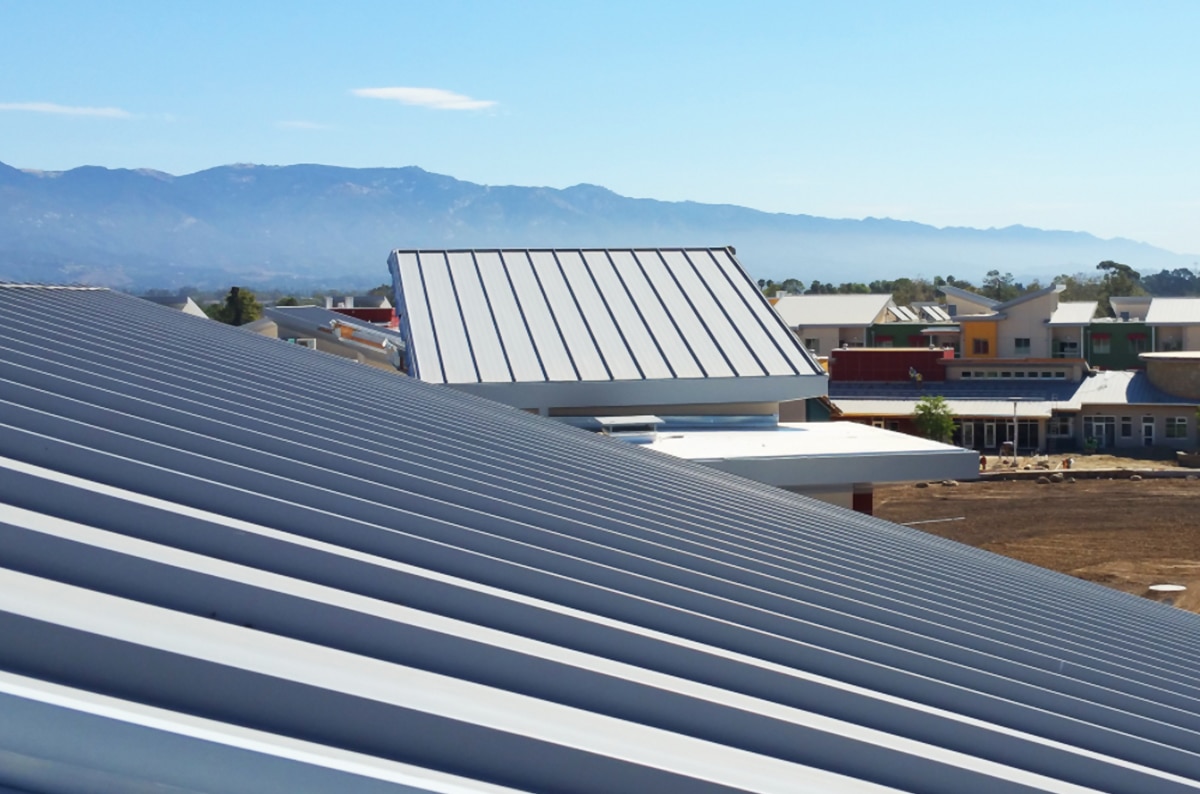
Metal roofing is one of the most widely recognized energy-efficient options. It reflects solar radiation, significantly reducing cooling needs in hot summers. Modern metal roofs often include reflective coatings that enhance their performance, making them ideal for areas with intense sun exposure.
In addition to reflectivity, metal roofing is incredibly durable, lasting 40–70 years with minimal upkeep. Homeowners who choose metal roofing often enjoy reduced maintenance costs and better storm resistance compared to traditional shingles. Its recyclability also contributes to sustainable building practices.
2. Clay Tile Roofing
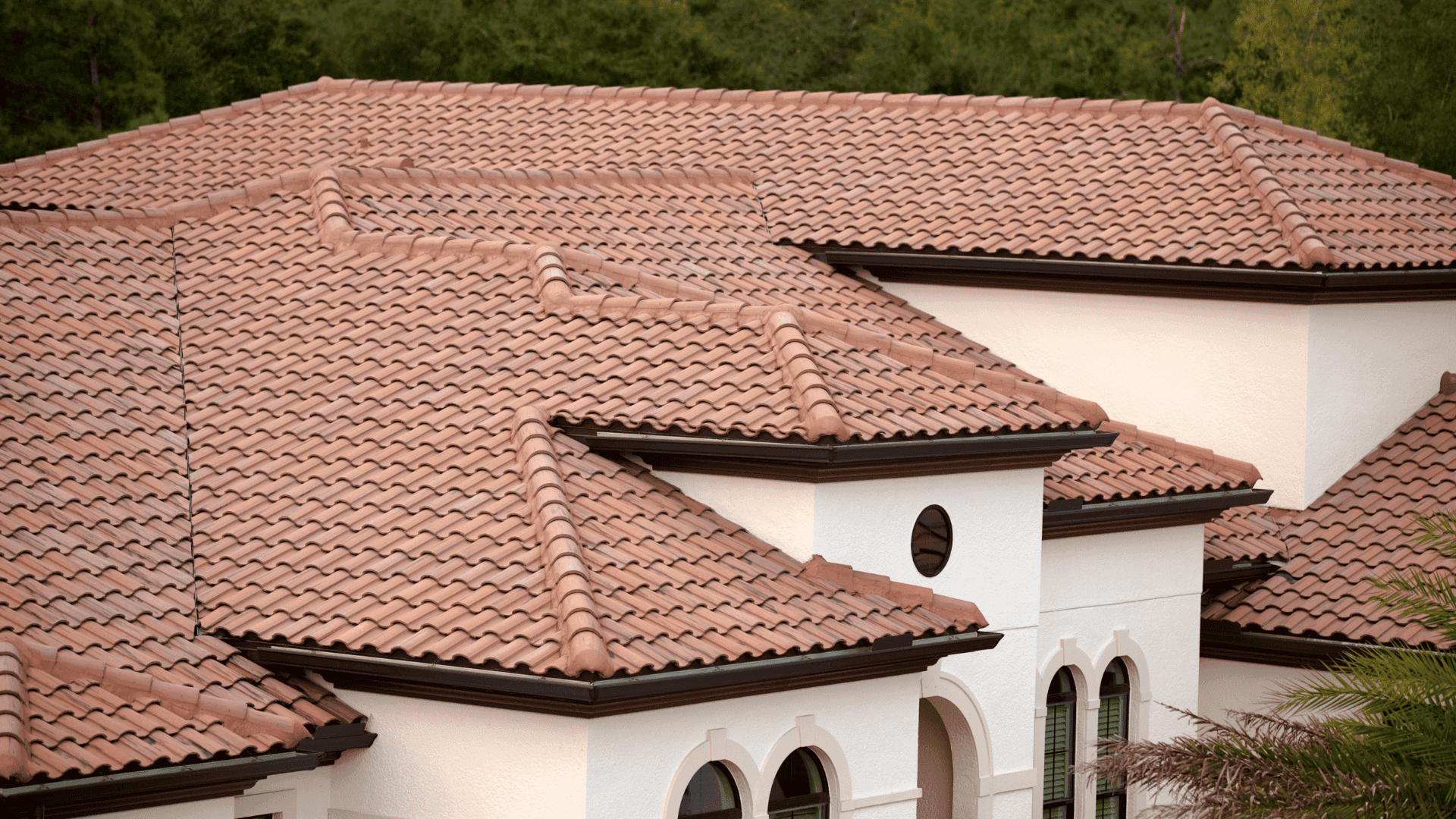
Clay tiles are a traditional yet highly effective energy-efficient roofing choice. Their curved design promotes natural ventilation by allowing air to circulate beneath the tiles, creating a cooling effect in hot climates. This design reduces reliance on air conditioning and contributes to energy savings.
Clay tiles are also highly durable, often lasting over 50 years. Their natural fire resistance and ability to withstand harsh sun exposure make them popular in Mediterranean and desert-style homes. While heavier than other options, their thermal properties are unmatched in warmer regions.
3. Green Roofing Systems
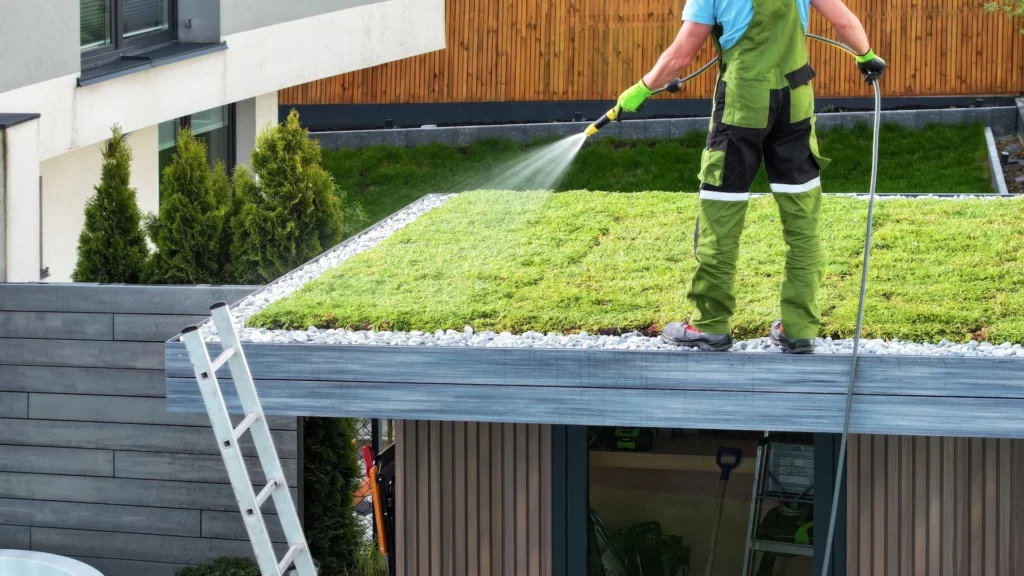
Green roofs, also known as living roofs, are one of the most innovative solutions in modern roofing. By covering rooftops with vegetation, these systems act as natural insulation, keeping interiors cooler in summer and warmer in winter. They also reduce stormwater runoff and improve local air quality.
These roofs are especially useful in urban areas where heat islands can raise city temperatures. Green roofs not only improve building efficiency but also contribute to sustainability goals, making them increasingly popular for commercial and residential projects alike.
4. Slate Roofing
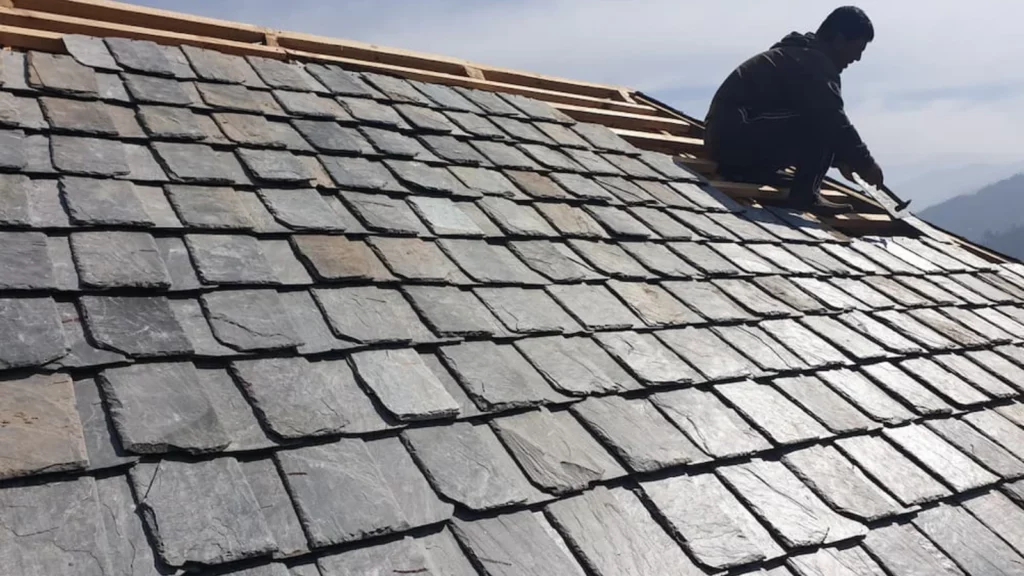
Slate roofing is a premium option that combines natural beauty with energy efficiency. Its density provides excellent insulation, keeping homes warmer in the winter and cooler in the summer. Slate is also highly resistant to weather damage, making it a long-lasting investment.
Because slate tiles are natural stone, they also reflect solar heat to some extent, depending on color selection. Darker slats absorb more heat, while lighter tones improve reflectivity. Many homeowners choose slate for its balance of performance, lifespan, and aesthetic appeal.
Benefits of Using Energy-Efficient Roofing Materials
Energy-efficient roofing provides a wide range of benefits beyond utility savings.
First, reduced energy bills are the most noticeable advantage. By reflecting heat and improving insulation, these roofs help maintain consistent indoor temperatures, decreasing reliance on HVAC systems.
Second, environmental sustainability is a major benefit. Energy-efficient materials lower carbon footprints by reducing overall energy consumption. Some materials, such as metal and slate, are also recyclable, minimizing construction waste.
Third, long-term durability makes these roofing solutions cost-effective. Instead of replacing roofs every 15–20 years, materials like slate and metal can last several decades, saving homeowners significant money over time.
Additionally, many energy-efficient roofs increase home value. Buyers are increasingly looking for properties with sustainable features, making energy-efficient roofs an attractive selling point.
Practical Use Cases for Energy-Efficient Roofing
The usefulness of energy-efficient roofing becomes clear in specific real-world scenarios.
For homeowners in hot climates, reflective roofing materials dramatically reduce indoor temperatures, cutting cooling costs during peak summer months. In cold climates, materials with strong insulation properties, like slate or green roofs, help retain heat and reduce heating expenses.
In urban settings, green roofs address both insulation and environmental challenges. They reduce stormwater runoff, filter pollutants, and mitigate heat island effects. This makes them especially valuable for eco-conscious city projects.
Energy-efficient roofing is also beneficial for commercial buildings, where energy expenses can be significant. Large-scale installations of cool roofing materials can lead to substantial cost reductions while contributing to corporate sustainability goals.
Frequently Asked Questions
Q1. What is the most energy-efficient roofing material?
Metal roofing is often considered the most energy-efficient due to its high reflectivity and ability to keep homes cooler in hot weather. However, clay tiles, slate, and green roofs are also excellent depending on the climate.
Q2. Are energy-efficient roofs worth the investment?
Yes, while some materials have higher upfront costs, they provide long-term savings through reduced energy bills, lower maintenance, and extended lifespan. They also increase property value, making them a smart investment.
Q3. Do energy-efficient roofing materials work in cold climates?
Absolutely. Materials like slate and green roofs offer excellent insulation, helping homes retain heat in winter. The key is choosing a material that matches the specific climate and building requirements.