Waterproof Exterior Wall Coating Complete Guide to Protection and Durability
Waterproof Exterior Wall Coating. Exterior walls are constantly exposed to harsh weather conditions, including rain, UV rays, and fluctuating temperatures. Without proper protection, walls can absorb moisture, leading to cracks, mold growth, and structural damage over time. This is where waterproof exterior wall coatings play a vital role.
These specialized coatings are formulated to create a protective barrier against water penetration while still allowing walls to “breathe.” Unlike standard paints, waterproof coatings are designed with polymers and additives that provide enhanced durability, weather resistance, and long-lasting protection. They not only improve the resilience of walls but also enhance aesthetic appeal by maintaining the surface finish.
By applying waterproof coatings, homeowners and builders can significantly reduce maintenance costs, extend building lifespan, and ensure long-term protection against environmental damage.
How Waterproof Exterior Wall Coatings Work
Waterproof exterior coatings are developed with advanced chemical formulations that combine binders, pigments, and waterproofing agents. The result is a flexible yet durable film that adheres to exterior surfaces, sealing even the smallest pores and cracks.
The technology behind these coatings is based on hydrophobic properties. When applied, the coating repels water molecules, preventing them from penetrating the surface while allowing water vapor to escape. This balance is crucial to avoid trapped moisture, which could otherwise lead to peeling or blistering.
Additionally, many waterproof coatings include UV-resistant additives to prevent color fading and degradation caused by prolonged sun exposure. Some coatings also have anti-fungal and anti-mold agents, making them particularly effective in humid or rainy climates.
Real-World Examples of Waterproof Exterior Wall Coatings
1. Acrylic-Based Waterproof Coating
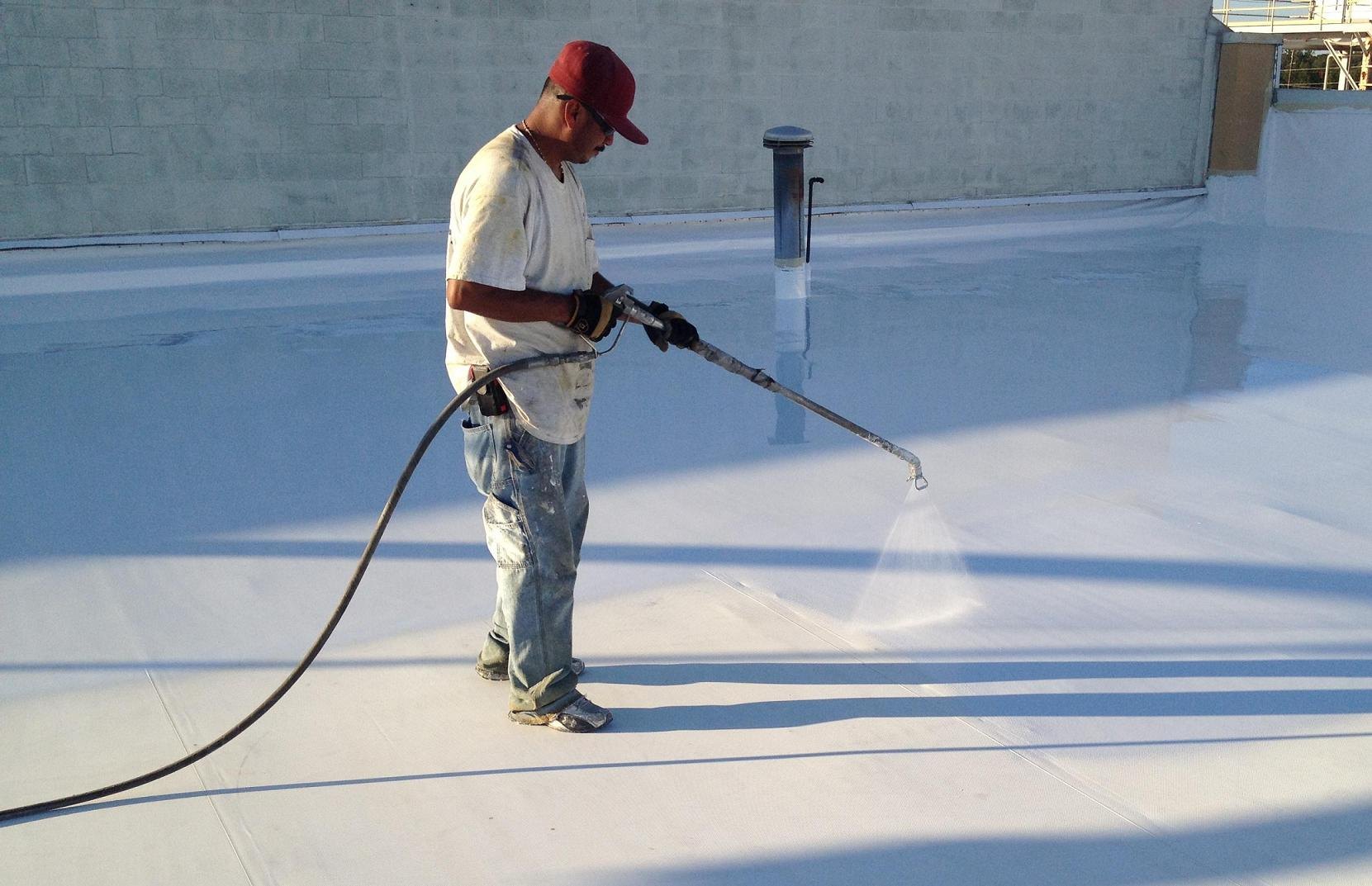
Acrylic coatings are one of the most widely used waterproofing solutions for exterior walls. They are known for their flexibility, durability, and ability to withstand diverse weather conditions. Acrylic coatings form a seamless layer that resists water intrusion while allowing vapor permeability.
Homeowners often choose acrylic-based coatings because they are easy to apply, cost-effective, and provide excellent coverage. They also come in a variety of finishes and colors, making them suitable for both residential and commercial buildings. Over time, their elasticity helps prevent cracks from spreading, maintaining the integrity of exterior walls.
2. Elastomeric Waterproof Coating

Elastomeric coatings are a premium option designed for walls that face high levels of stress from weather fluctuations. These coatings are thicker and more elastic compared to standard options, allowing them to bridge hairline cracks and expand or contract with temperature changes.
One of their standout features is superior waterproofing performance. Even in areas with heavy rainfall or extreme humidity, elastomeric coatings provide robust protection. They are especially beneficial for older buildings where small cracks or imperfections are common. With proper application, elastomeric coatings can last over a decade, offering both durability and energy efficiency by reflecting heat.
3. Silicone-Based Waterproof Coating
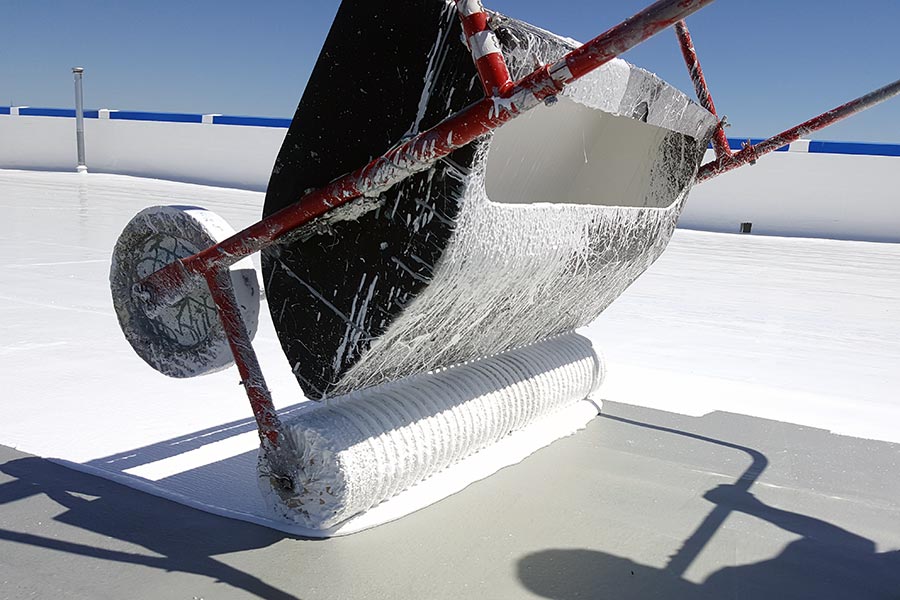
Silicone coatings offer exceptional water repellency, making them a top choice in regions with constant rain or coastal climates. Unlike other coatings, silicone has natural hydrophobic qualities, ensuring maximum protection against water absorption.
Another advantage of silicone coatings is their resistance to UV degradation. They maintain their performance and color even under prolonged sun exposure. Additionally, silicone forms a breathable barrier that allows trapped moisture to escape without compromising waterproofing, preventing peeling and blistering over time.
4. Polyurethane Waterproof Coating
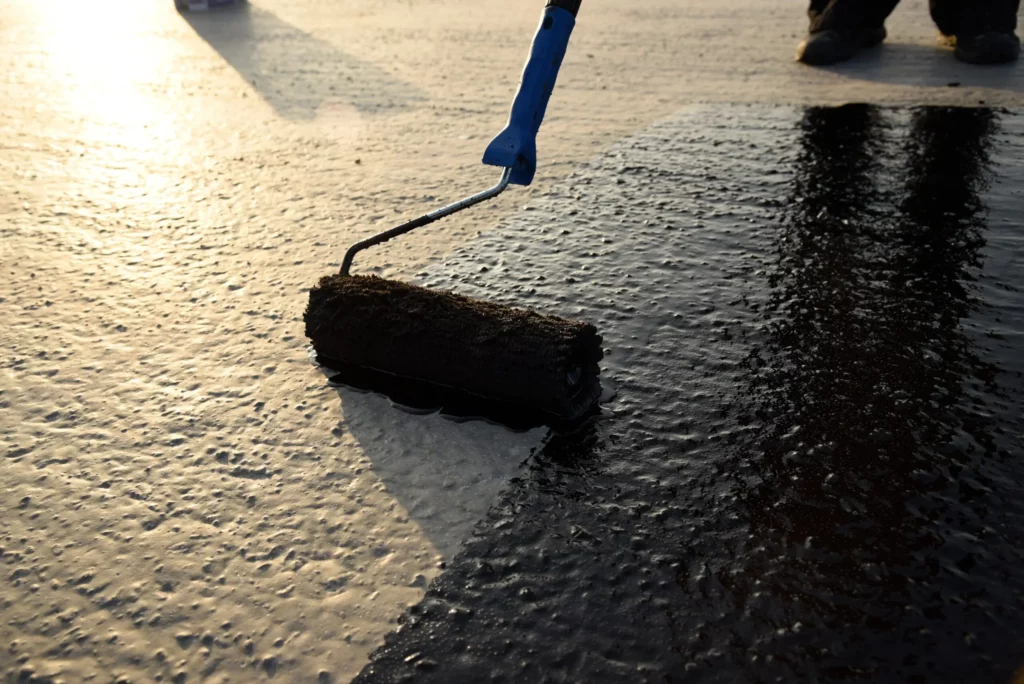
Polyurethane coatings are known for their strong adhesion and toughness. They provide a highly durable finish that not only resists water but also withstands chemical exposure, making them suitable for industrial and commercial applications.
These coatings are highly flexible, which makes them effective at sealing joints and cracks. While they require careful application, once cured, polyurethane coatings deliver long-lasting waterproofing performance. Their ability to resist wear and tear also makes them an excellent option for buildings exposed to harsh conditions.
Benefits of Waterproof Exterior Wall Coatings
Using waterproof coatings for exterior walls offers a wide range of benefits, both functional and aesthetic.
First, the most obvious advantage is moisture protection. By preventing water infiltration, coatings safeguard walls against structural damage, peeling, and mold growth. This translates into fewer repairs and reduced maintenance costs.
Second, these coatings provide long-term durability. Unlike standard paints, waterproof coatings are engineered to resist UV rays, weathering, and environmental stress, ensuring walls remain protected for years.
Third, waterproof coatings contribute to energy efficiency. Many coatings have reflective properties that reduce heat absorption, keeping interiors cooler in hot climates. This results in lower energy consumption for air conditioning.
Another key benefit is aesthetic enhancement. Waterproof coatings come in a wide range of colors and finishes, allowing homeowners to protect their property without compromising on design.
Practical Use Cases for Waterproof Exterior Wall Coatings
Waterproof coatings solve a variety of real-world problems, making them highly practical for different applications.
In residential homes, they protect walls from rain, preventing cracks, dampness, and mold growth. This is especially important in areas with heavy rainfall or high humidity. Homeowners benefit from reduced maintenance costs and improved living comfort.
In commercial buildings, waterproof coatings extend the lifespan of large exterior surfaces, reducing repainting cycles and improving the building’s appearance. This is crucial for businesses that want to maintain a professional and welcoming exterior.
For heritage or older buildings, elastomeric and silicone coatings provide additional protection by sealing minor cracks and preventing further deterioration. This helps preserve architectural integrity while adding modern protection.
In coastal areas, waterproof coatings are essential because walls are exposed to salty air, constant moisture, and intense sunlight. Silicone and polyurethane coatings are especially effective in these challenging environments, preventing corrosion and surface damage.
Frequently Asked Questions
Q1. What is the best type of waterproof exterior wall coating?
The best type depends on the building’s needs and climate. Acrylic coatings are versatile and affordable, elastomeric coatings are ideal for crack bridging, silicone is excellent for coastal areas, and polyurethane offers industrial-strength durability.
Q2. How long does a waterproof exterior wall coating last?
Most coatings last between 8 to 15 years, depending on the material, application quality, and environmental exposure. Elastomeric and silicone coatings typically last longer compared to standard acrylic options.
Q3. Can waterproof coatings improve energy efficiency?
Yes. Many waterproof coatings have reflective properties that reduce heat absorption, keeping interiors cooler in summer. This lowers the need for air conditioning and helps save on energy bills.