Best Exterior Paint for Cold Climates A Complete Guide to Durability and Protection
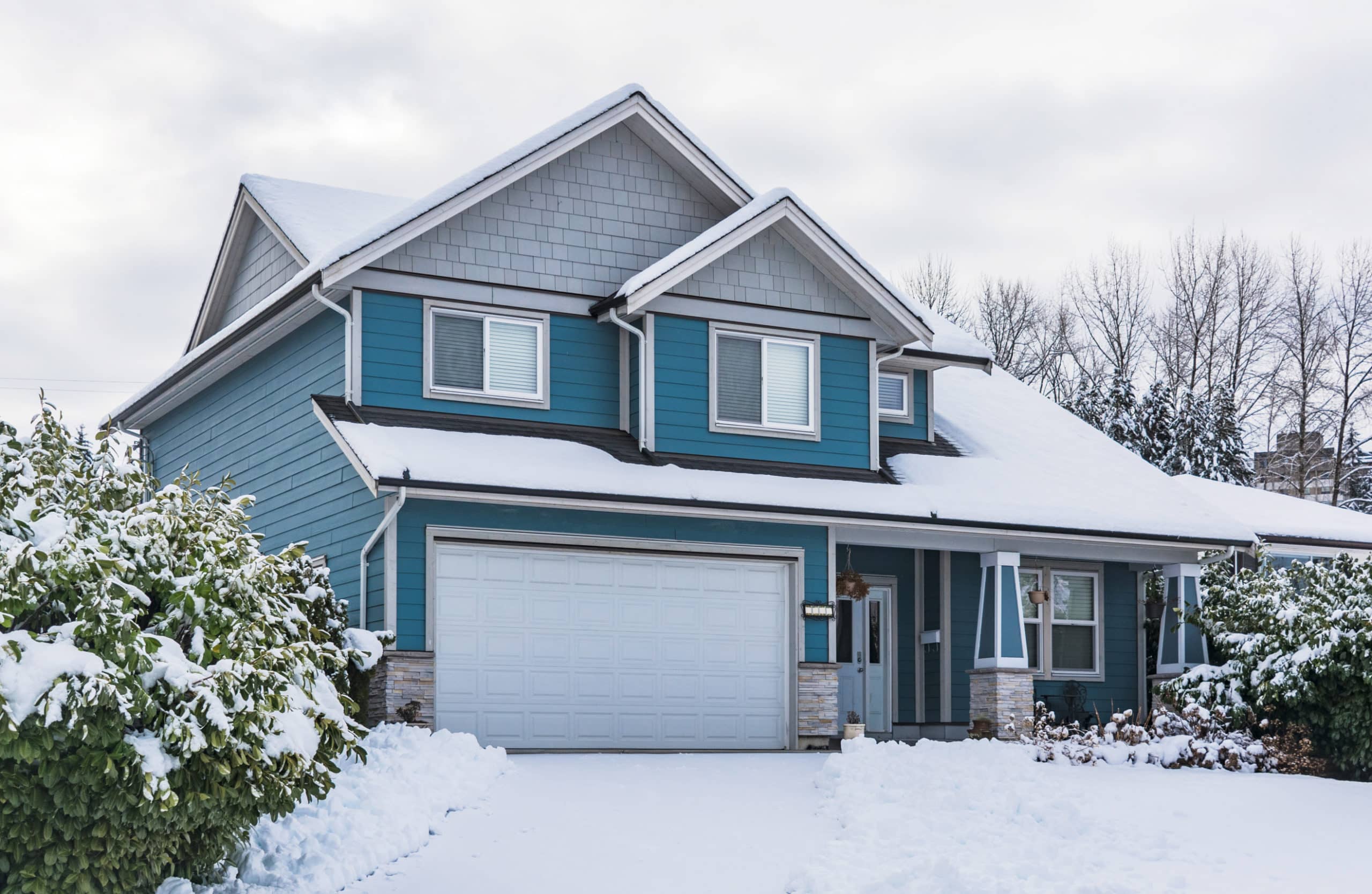
Living in regions with harsh winters presents unique challenges when it comes to maintaining a home’s exterior. Cold climates bring frequent freeze-thaw cycles, snow, ice, and strong winds that can cause traditional paints to crack, peel, or lose adhesion. Choosing the best exterior paint for cold climates is essential for homeowners who want both protection and aesthetic appeal.
Exterior paints designed for cold environments are formulated with special resins and additives that improve flexibility, moisture resistance, and adhesion even in extreme weather. These paints not only protect siding, wood, and masonry but also extend the life of exterior finishes, reducing costly repairs.
Key Features of Cold Climate Exterior Paint
To select the right paint, it’s crucial to understand the features that make certain products stand out for cold-weather use. Unlike standard paints, cold climate options focus on durability, moisture resistance, and flexibility.
One of the most important characteristics is low-temperature curing, which allows paint to adhere properly even when applied in cooler conditions. Additionally, these paints often include elastomeric properties, meaning they expand and contract with fluctuating temperatures without cracking. High resistance to moisture, UV rays, and mildew growth is also a vital quality for homes in snowy or icy regions.
Types of Exterior Paint Suitable for Cold Weather
Different categories of paint work well in colder regions. Each type is designed for specific surfaces and provides unique advantages.
-
Acrylic Latex Paints: Known for their flexibility, these paints adapt well to expanding and contracting surfaces, making them excellent for wood siding and trim.
-
Elastomeric Coatings: Thicker than standard paint, elastomeric coatings create a weatherproof barrier ideal for stucco and masonry surfaces.
-
Oil-Based Paints: While less common today, oil-based paints offer superior adhesion on metal and wood, providing an additional layer of protection against moisture penetration.
Each option has strengths, but the best choice depends on the material being painted and the severity of local weather conditions.
Real-World Examples of the Best Exterior Paint for Cold Climates
1. Sherwin-Williams Duration Exterior Acrylic Latex
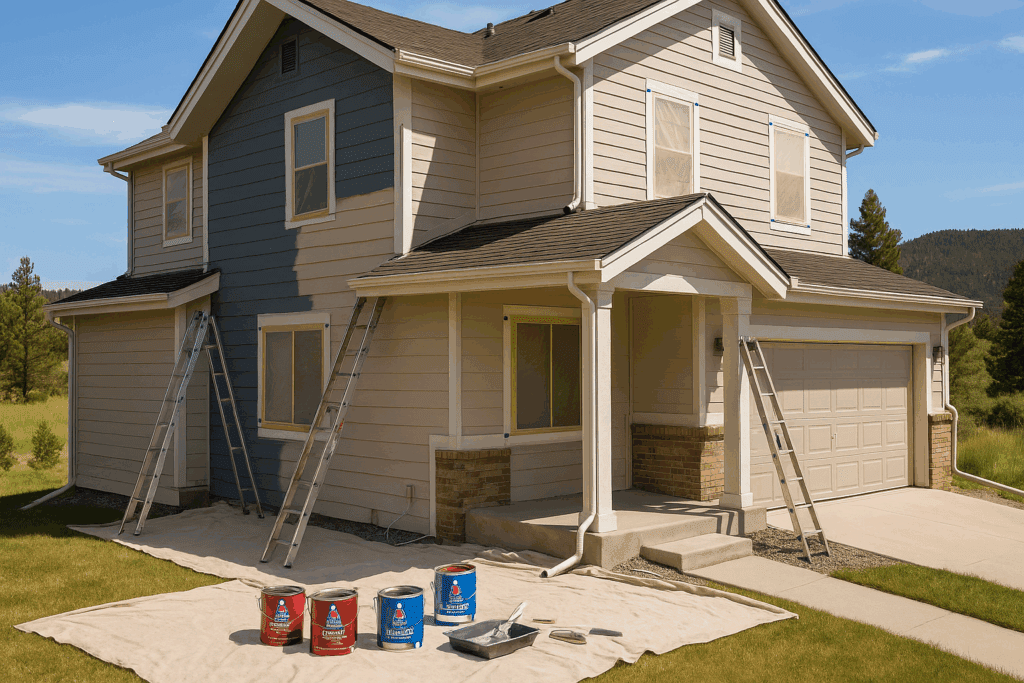
Sherwin-Williams Duration Exterior is widely recognized for its durability and weather resistance. Designed with advanced acrylic resins, it provides excellent adhesion and flexibility, making it ideal for cold regions where surfaces expand and contract frequently. Best Exterior Paint for Cold Climates. It’s built-in mildew resistance helps homes maintain a clean look despite damp conditions, and it offers superior coverage, reducing the number of coats required.
Homeowners who choose this paint often appreciate its long lifespan, which minimizes the need for frequent repainting. In snowy areas, this can be a huge cost saver over time.
2. Benjamin Moore Aura Exterior Paint
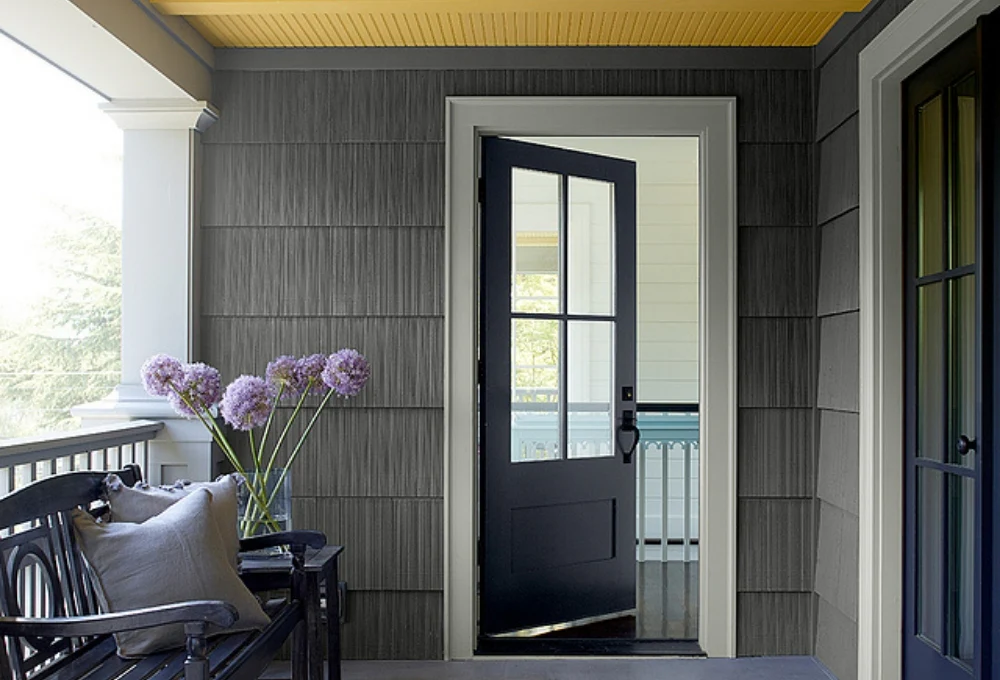
Benjamin Moore’s Aura Exterior is another top performer in cold weather. Its Color Lock technology keeps pigments vibrant and prevents fading, even after years of exposure to snow and ice. What makes it particularly suitable for harsh climates is its ability to cure at lower temperatures compared to standard paints.
It also resists cracking and peeling, which is essential in freeze-thaw cycles. Many homeowners report that it retains its rich finish much longer than competitors, making it a smart investment for anyone living in snowy or mountainous regions.
3. Behr Premium Plus Ultra Exterior
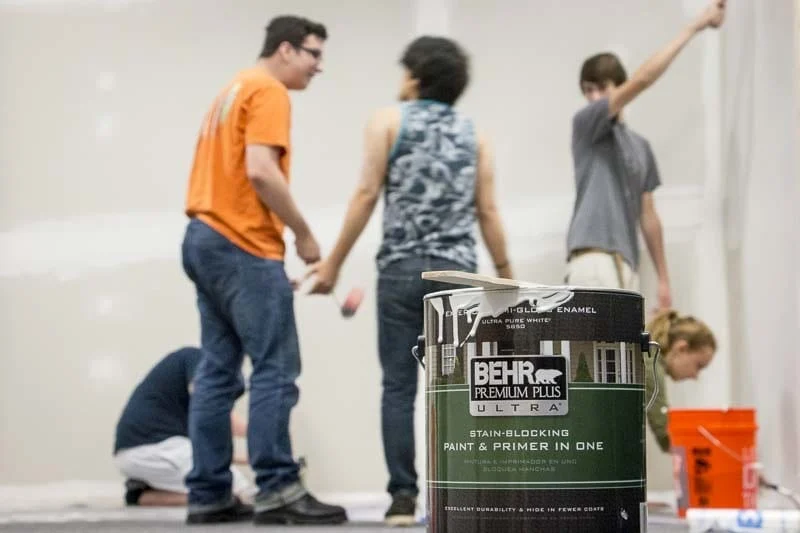
Behr’s Premium Plus Ultra is formulated with advanced weatherproofing technology. It creates a protective barrier that withstands rain, snow, and ice. Its low-temperature application feature allows it to bond effectively even when applied in cooler conditions, ensuring professional results year-round.
One of the biggest advantages of Behr’s formula is its resistance to both mildew and UV rays, making it suitable for locations with cold winters and sunny summers. Its affordability and availability also make it a popular choice for homeowners who want performance without overspending.
Benefits of Using Cold Climate Exterior Paint
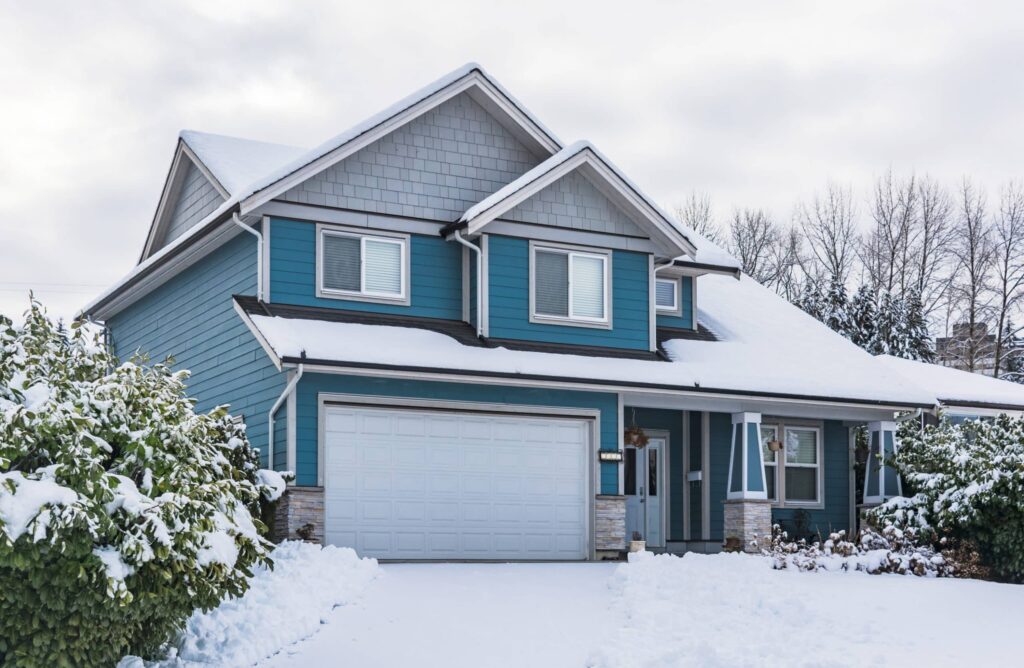
Choosing the right paint for cold climates offers long-term advantages beyond simple appearance.
First, improved durability ensures that paint adheres properly and lasts for years despite snow, ice, and freezing temperatures. This reduces the need for frequent repainting. Second, energy efficiency is often overlooked. Some exterior paints provide an insulating effect, helping to stabilize indoor temperatures and lower energy bills.
Additionally, cold climate paints enhance weather resistance by sealing small cracks and preventing moisture penetration, which can otherwise lead to rot, mold, or structural damage. For homeowners, this translates into better protection, lower maintenance costs, and preserved home value.
Practical Use Cases for Cold Climate Exterior Paint
Cold-weather paints solve multiple problems faced by homeowners in winter-prone areas.
For example, in regions with frequent freeze-thaw cycles, standard paints often crack and peel within a year. Cold-resistant paints maintain elasticity, ensuring surfaces remain protected season after season. In areas prone to heavy snow, these paints prevent water from seeping into wood or stucco, reducing the risk of rot and frost damage.
Another practical scenario involves metal railings or outdoor fixtures. Moisture combined with freezing temperatures can cause rust. Oil-based or specialized exterior paints create a durable barrier that prolongs the lifespan of these structures.
These paints are also invaluable for vacation cabins or mountain homes that may remain unattended during winterTheir moisture resistance, fading, and mold growth keep exteriors looking fresh with minimal upkeep.
Frequently Asked Questions
Q1. What makes paint suitable for cold climates?
Paints designed for cold climates are formulated with flexible resins, moisture-resistant additives, and low-temperature curing properties. These qualities allow the paint to withstand freeze-thaw cycles without cracking or peeling.
Q2. Can I apply exterior paint in winter?
Yes, certain exterior paints are designed for application in cooler conditions, often down to 35°F (1.6°C). It is important to select paints labeled as suitable for low-temperature application to ensure proper adhesion.
Q3. How long does cold-weather exterior paint last?
When properly applied, high-quality exterior paints for cold climates can last 8–12 years or more. Durability depends on the product chosen, surface preparation, and the severity of weather conditions in the area.