Comprehensive Guide to Exterior Concrete Wall Finishes Types, Benefits, and Real-World Applications
Exterior concrete wall finishes are essential for enhancing the durability, aesthetics, and functionality of buildings. These finishes not only protect structures from environmental elements but also contribute to their overall visual appeal. This guide delves into the various types of exterior concrete wall finishes, their benefits, and real-world applications.
Understanding Exterior Concrete Wall Finishes
Exterior concrete wall finishes are treatments applied to concrete surfaces to improve their appearance and performance. These finishes can be categorized into several types, each offering unique benefits and suitable for different applications.
Types of Exterior Concrete Wall Finishes
Exposed Aggregate Finish
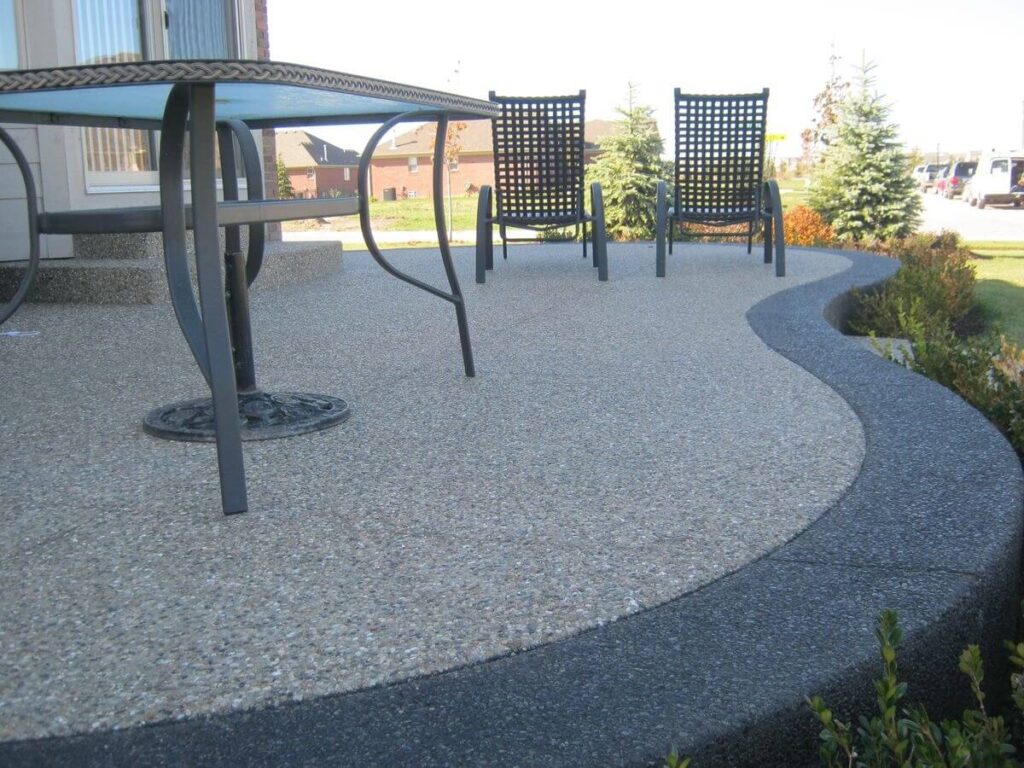
An exposed aggregate finish involves removing the top layer of concrete to reveal the decorative coarse aggregate beneath. This finish provides a textured surface that is both visually appealing and slip-resistant, making it ideal for walkways and driveways.
Polished Concrete Finish
This finish offers a sleek, modern look and is highly durable, making it suitable for both interior and exterior applications.
Stamped Concrete Finish
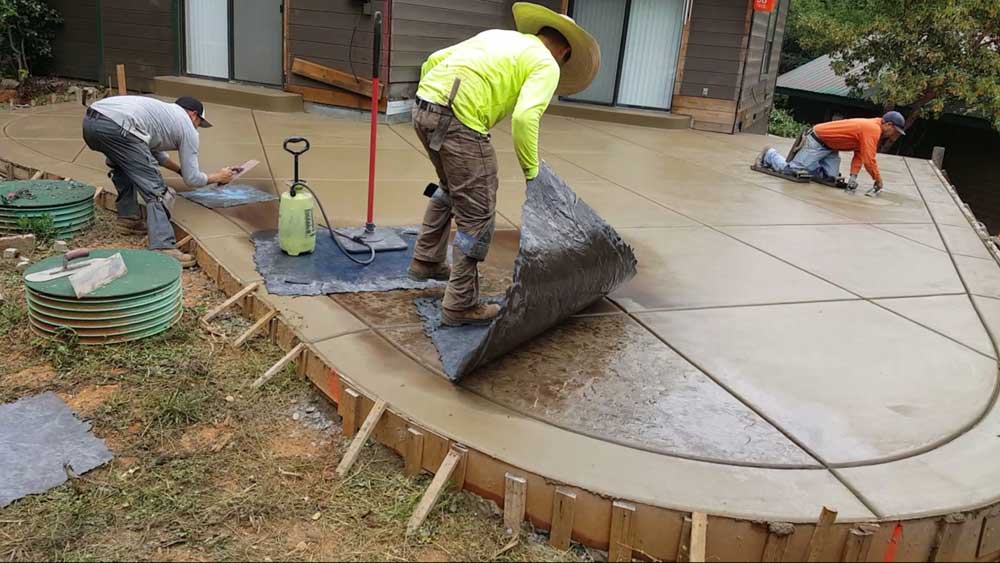
Stamped concrete involves pressing molds into freshly poured concrete to create patterns that mimic natural materials like stone, brick, or wood.
Broom Finish
A broom finish is created by dragging a broom over the surface of the concrete while it is still wet. This technique produces a textured surface that enhances slip resistance, making it suitable for outdoor areas exposed to moisture.
Acid Stain Finish
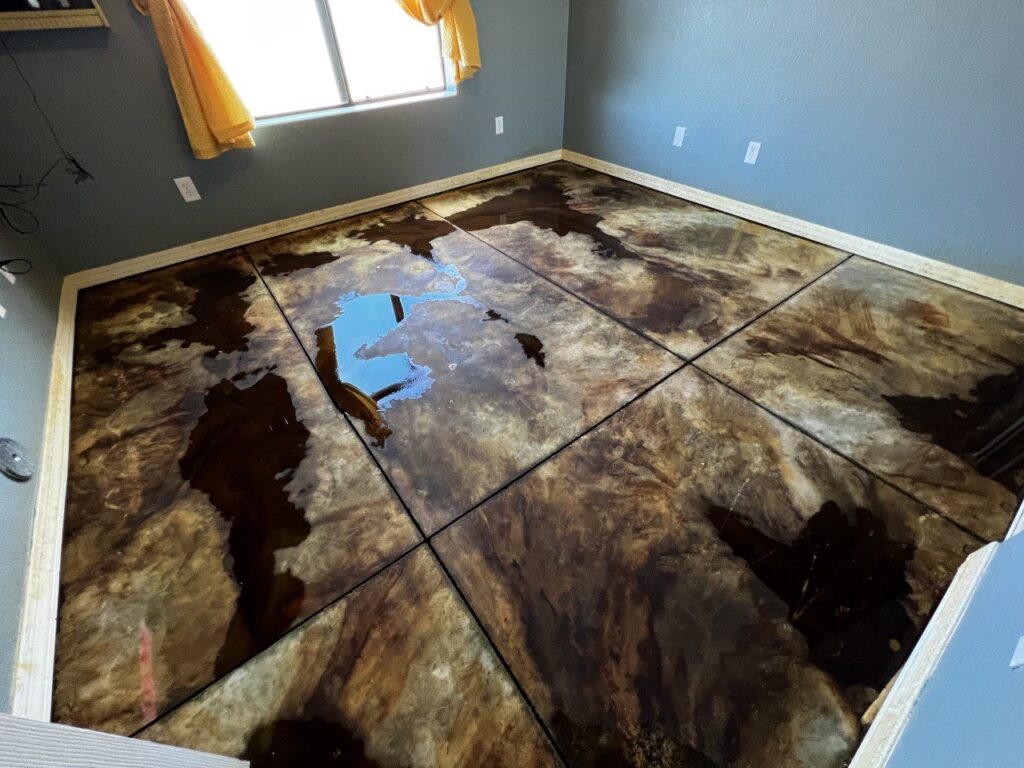
Acid staining involves applying a chemical solution to the concrete surface, which reacts with the minerals to produce rich, translucent color variations. This finish is often used to achieve a natural, earthy look.
Sandblasted Concrete Finish
Sandblasting involves using high-pressure air to propel sand particles onto the concrete surface, creating a uniform texture. This finish is durable and provides a non-slip surface, making it suitable for high-traffic areas.
Benefits of Exterior Concrete Wall Finishes
Applying a suitable finish to exterior concrete walls offers numerous advantages:
-
Enhanced Durability: Concrete finishes protect surfaces from environmental factors like moisture, UV rays, and temperature fluctuations, extending the lifespan of the structure.
-
Improved Aesthetics: Finishes such as polished or stamped concrete can significantly enhance the visual appeal of a building, contributing to its overall design and curb appeal.
-
Increased Safety: Textured finishes like broom or sandblasted concrete provide slip-resistant surfaces, reducing the risk of accidents in areas exposed to moisture.
-
Low Maintenance: Many concrete finishes require minimal upkeep, saving time and resources in the long term.
-
Cost-Effectiveness: Certain finishes, such as broom or salt finishes, are cost-effective options that still provide functional and aesthetic benefits.
Real-World Applications of Exterior Concrete Wall Finishes
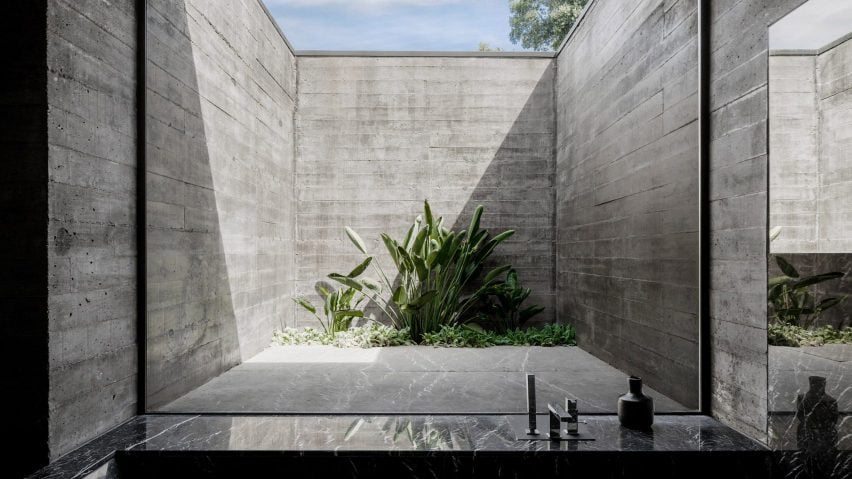
Exposed Aggregate Finish in Commercial Buildings
Commercial buildings often use exposed aggregate finishes for their durability and slip resistance. For instance, a shopping mall in Jakarta incorporated exposed aggregate concrete for its walkways, ensuring safety and longevity in a high-traffic area.
Polished Concrete in Modern Residences
Modern residences in urban areas have adopted polished concrete finishes for their sleek appearance and ease of maintenance. A luxury villa in Bali featured polished concrete walls and floors, complementing its minimalist design and reducing cleaning efforts.
Stamped Concrete in Outdoor Spaces
Stamped concrete is popular for creating decorative outdoor spaces. A resort in Yogyakarta utilized stamped concrete to mimic natural stone pathways, enhancing the aesthetic appeal of its garden areas.
Broom Finish for Public Sidewalks
Public sidewalks in areas with high rainfall, such as Bandung, often employ broom finishes to provide slip-resistant surfaces, ensuring pedestrian safety during wet conditions.
Acid Stain Finish in Cultural Centers
Cultural centers in heritage-rich regions like Ubud have used acid stain finishes to achieve earthy tones that blend with traditional architectural styles, preserving cultural aesthetics.
Choosing the Right Concrete Finish for Your Project
Selecting the appropriate concrete finish depends on various factors:
-
Location: Consider environmental conditions such as climate and exposure to moisture.
-
Functionality: Determine the primary use of the space and the required durability.
-
Aesthetic Preferences: Choose a finish that aligns with the desired visual appeal.
-
Budget: Evaluate the cost implications of different finishes.
Consulting with professionals and reviewing case studies can aid in making an informed decision.
FAQ
Q1: How do I maintain an exposed aggregate concrete finish?
A1: Regular cleaning with a mild detergent and water is recommended. Sealing the surface periodically can help protect it from stains and wear.
Q2: Can I apply a polished concrete finish to existing concrete surfaces?
A2: Yes, existing concrete can be polished, provided it is in good condition and free from significant cracks or damage.Moss Concrete & Excavating
Q3: Are acid-stained concrete finishes safe for exterior applications?
A3: Yes, acid-stained finishes are suitable for exterior use, offering durability and unique color variations.