Exterior Insulation and Finish Systems Complete Guide to Benefits, Uses, and Examples
Exterior Insulation and Finish Systems (EIFS) have become one of the most innovative building technologies for both residential and commercial properties. Designed to provide insulation, weather protection, and aesthetic flexibility, EIFS offers a complete exterior solution that enhances both energy efficiency and curb appeal.
In this guide, we’ll dive into what EIFS is, how it works, its benefits, and real-world examples where it has been successfully applied.
What Are Exterior Insulation and Finish Systems?
Exterior Insulation and Finish Systems (EIFS) are multi-layered cladding systems that provide continuous exterior insulation, air and moisture control, and a durable decorative finish. Originally developed in Europe after World War II, EIFS gained popularity in North America for its superior energy performance and design versatility.
A standard EIFS assembly typically includes three main layers: insulation board, base coat with reinforcing mesh, and a decorative finish coat. Together, these layers create a seamless, insulated, and weather-resistant façade. Unlike traditional siding or stucco, EIFS provides thermal performance that significantly reduces heating and cooling costs.
Key Components of EIFS
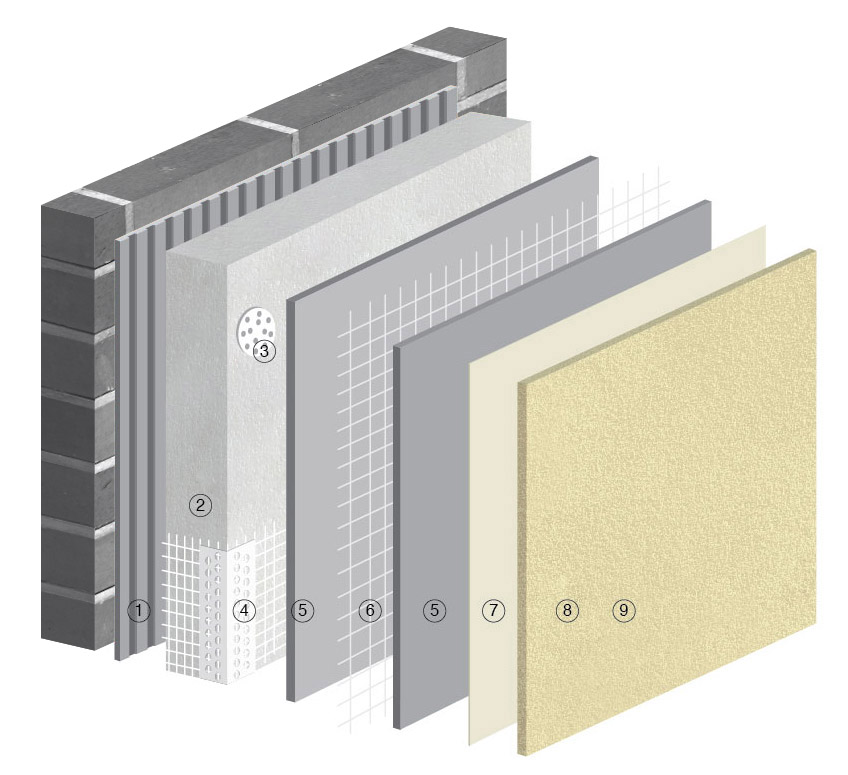
The strength of EIFS lies in its layered construction. Each part plays a crucial role in durability and performance:
-
Insulation Board: Often made of expanded polystyrene (EPS), it provides continuous insulation, reducing thermal bridging.
-
Base Coat: Applied over the insulation, it embeds a reinforcing mesh that adds strength and flexibility.
-
Reinforcing Mesh: Usually fiberglass, it prevents cracking and distributes impact stress across the surface.
-
Finish Coat: A textured, decorative layer that is both weather-resistant and customizable in color and style.
This combination not only enhances thermal performance but also protects buildings from water intrusion, cracking, and external impacts.
Benefits of Exterior Insulation and Finish Systems
EIFS offers a wide range of benefits that go beyond insulation.
First and foremost, EIFS is highly energy efficient. By providing a continuous layer of insulation, it eliminates many of the thermal bridges common in traditional wall systems. This reduces energy loss, leading to significant savings on heating and cooling bills.
Another major advantage is moisture control. Modern EIFS includes drainage features that prevent water buildup behind the system. This makes it suitable even in climates with heavy rain or humidity. Additionally, the flexibility of the finish coat allows EIFS to absorb building movement, reducing cracks that are common with stucco or brick.
Aesthetic versatility is also a highlight. EIFS can be designed to mimic stucco, stone, or even brick, offering architects and homeowners the freedom to create unique exteriors without compromising durability.
Real-World Examples of EIFS Applications
1. Dryvit Outsulation System
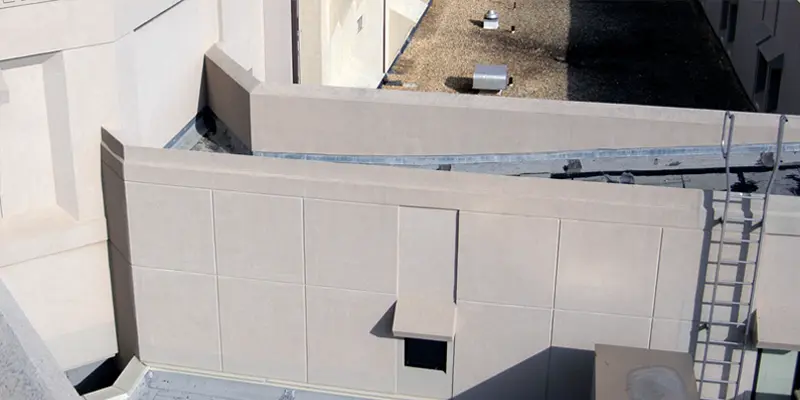
Dryvit is one of the leading EIFS manufacturers, and its Outsulation system is widely used in commercial and residential projects. It provides excellent energy efficiency while offering design flexibility with multiple textures and finishes.
This system has been applied to office buildings, hotels, and retail spaces where both performance and appearance matter. By integrating moisture drainage, it ensures long-term durability and reduces maintenance costs for building owners.
2. StoTherm EIFS
StoTherm EIFS is known for its advanced insulation technology and sustainable materials. It offers high resistance to cracking and impact, making it ideal for homes in regions with variable weather conditions.
What sets StoTherm apart is its ability to combine performance with eco-friendliness. It contributes to green building certifications like LEED, making it a popular choice for environmentally conscious construction projects.
3. Senergy EIFS by Master Builders Solutions
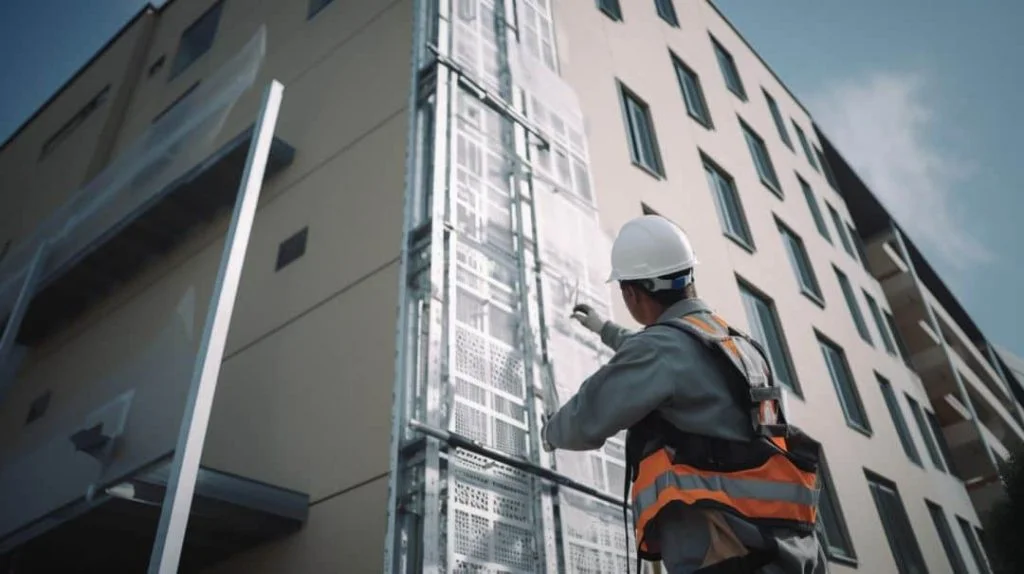
Senergy EIFS is engineered for durability and flexibility, with strong resistance against weather extremes. Its finish coats are highly customizable, allowing architects to create both modern and traditional looks.
This system is often used in high-rise commercial buildings and institutional projects where long-term resilience and low maintenance are top priorities.
4. Parex EIFS
Parex is another trusted brand in the EIFS market, offering systems with enhanced moisture management. Its drainage capabilities are particularly useful in coastal or rainy regions where water resistance is essential.
Beyond performance, Parex provides a wide range of finish textures, from smooth to stone-like appearances, making it a go-to option for architects looking for creative design solutions.
5. BASF EIFS Systems
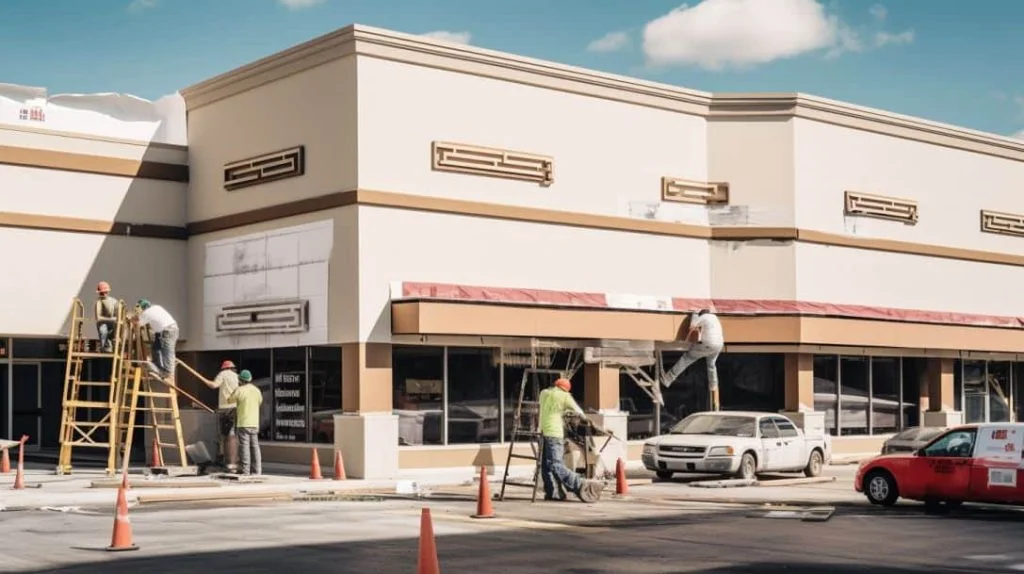
BASF produces EIFS solutions that focus on energy savings and impact resistance. Their systems are often chosen for large-scale projects where both insulation and durability are non-negotiable.
These systems integrate advanced coatings that resist dirt accumulation, reducing the need for frequent cleaning. This makes them practical for shopping centers and public facilities that demand a clean appearance with minimal upkeep.
Practical Use Cases of EIFS
In residential homes, EIFS provides homeowners with lower energy bills, greater design flexibility, and protection against weather-related damage. A house clad in EIFS can stay warmer in winter and cooler in summer, reducing reliance on HVAC systems.
In commercial projects, EIFS reduces operating costs by improving building envelope performance. Retail stores, offices, and hotels benefit from its aesthetic appeal, while also enjoying the insulation and durability advantages that cut long-term expenses.
EIFS is also valuable in retrofitting older buildings. Adding an EIFS layer can dramatically improve insulation without requiring major structural changes, making it a cost-effective solution for modernization.
Benefits of Technology in EIFS Systems
Modern EIFS systems incorporate cutting-edge technology that enhances performance and durability. Drainage systems built into EIFS prevent water infiltration, addressing concerns about moisture damage from earlier versions of the technology.
Additionally, new finishing coats use advanced polymers that increase flexibility, fade resistance, and weather protection. Some EIFS solutions are even self-cleaning, using special coatings that break down dirt and organic matter with sunlight and rain.
These technological advancements make EIFS one of the most future-ready cladding options, combining beauty, efficiency, and longevity.
Frequently Asked Questions
Q1. Is EIFS the same as stucco?
No, EIFS is not the same as traditional stucco. While EIFS can mimic stucco’s appearance, it is a layered system that includes insulation and advanced coatings, making it more energy-efficient and crack-resistant.
Q2. How long does EIFS last on a building?
With proper installation and maintenance, EIFS can last 30–50 years. Its durability depends on factors such as climate, finish quality, and whether moisture management features are included.
Q3. Can EIFS be used in all climates?
Yes, EIFS can be used in most climates. Modern EIFS includes drainage systems that make it suitable even in humid or rainy environments. Its insulating properties also make it effective in both hot and cold regions.