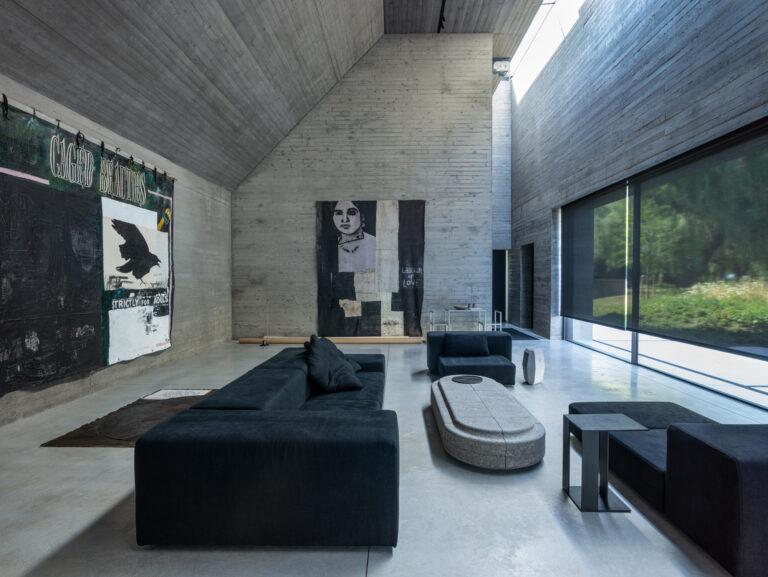
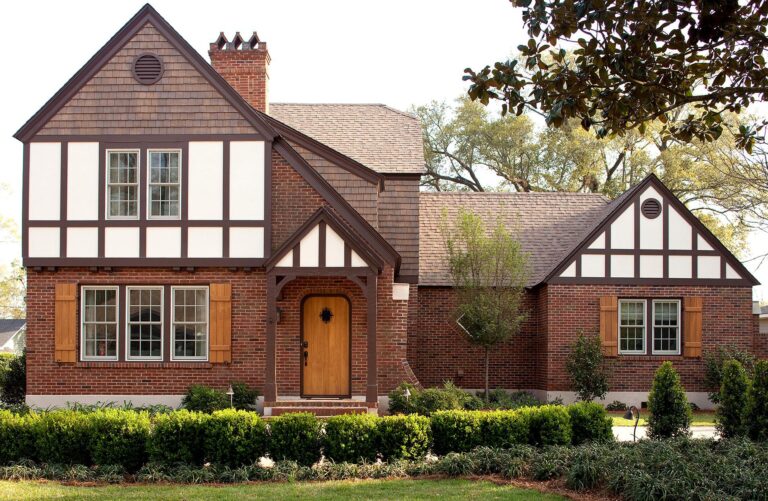
Exterior Stone Cladding Designs Styles, Benefits, and Real-World Applications
Stone has been a symbol of durability, elegance, and timeless beauty for centuries. In modern construction, exterior stone cladding designs allow architects and homeowners to create stunning façades without the need for solid stone walls. Cladding provides the aesthetic appeal of natural stone while offering lighter weight, easier installation, and enhanced insulation properties.
This article explores the types of stone cladding, their benefits, real-world examples, and practical use cases to help homeowners and designers make informed choices for modern exteriors.
Understanding Exterior Stone Cladding
Exterior stone cladding involves applying thin layers of natural or manufactured stone over structural walls. Unlike traditional masonry, cladding is primarily decorative, reducing weight while maintaining the luxurious appearance of solid stone. Modern stone cladding can be installed on wood, concrete, or steel structures, making it versatile for both residential and commercial applications.
The use of stone cladding also improves building performance. Depending on the material, it can provide thermal insulation, weather protection, and even fire resistance, making it a practical as well as aesthetic solution.
Types of Exterior Stone Cladding
Natural Stone Cladding
Natural stone cladding uses slabs or panels of granite, limestone, slate, or travertine. These stones are cut to thin profiles suitable for cladding, preserving the texture, pattern, and colors of the original material. Natural stone is highly durable, weather-resistant, and adds a premium feel to any façade.
Manufactured Stone Veneer
Manufactured stone veneer is made from concrete and pigments designed to replicate natural stone. Lighter than real stone, it is easier to install and less expensive while still offering a realistic look. Modern technology allows precise replication of textures, colors, and finishes, making it a flexible choice for contemporary designs.
Thin Stone Panels
Thin stone panels are engineered to be lightweight while maintaining the appearance and strength of full-size stone slabs. These panels often include interlocking systems or backing materials for quick installation, reducing labor costs and structural load. They are ideal for large façades, commercial projects, or multi-story buildings.
Benefits of Stone Cladding
Stone cladding offers a combination of practical and aesthetic advantages:
Durability and Longevity
Stone is inherently strong and resistant to weather, fire, and pests. High-quality stone cladding can last decades with minimal maintenance, outperforming other exterior finishes like wood or vinyl.
Aesthetic Versatility
Stone can complement any architectural style, from rustic country homes to modern urban buildings. Cladding allows mixing textures, patterns, and colors, enabling custom designs that enhance property value.
Thermal and Acoustic Performance
Certain types of stone cladding provide natural insulation, keeping interiors cooler in summer and warmer in winter. Exterior Stone Cladding Designs. Additionally, dense stone surfaces can help reduce external noise, making them suitable for urban or busy locations.
Low Maintenance
Unlike paint or wood, stone does not require regular finishing or sealing. Occasional cleaning is sufficient to preserve its appearance.
Real-World Examples of Exterior Stone Cladding Designs
1. Granite Cladding on Luxury Residences
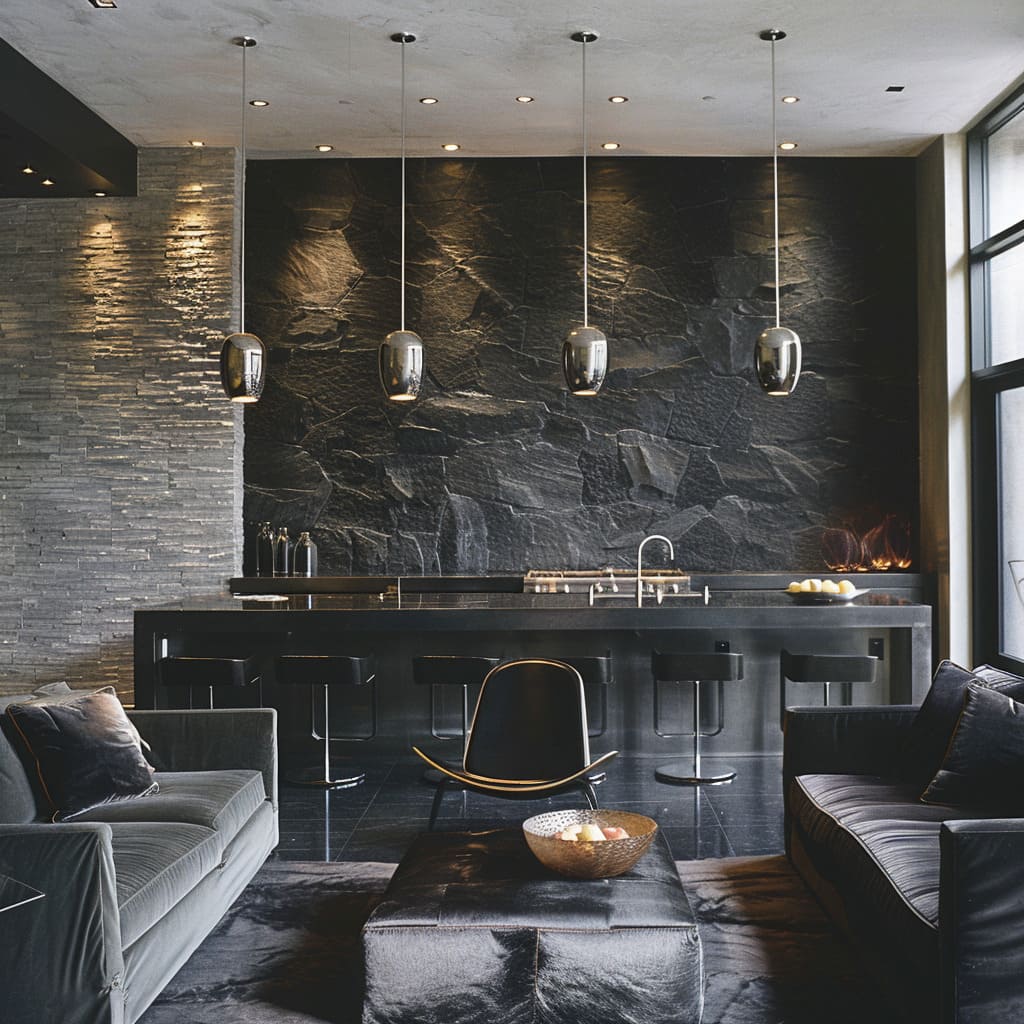
Granite is prized for its hardness and color variety. In residential applications, polished granite panels give façades a sleek and sophisticated look. Exterior Stone Cladding Designs. Its durability makes it ideal for exposed areas with harsh weather, such as coastal homes or mountain residences.
This cladding enhances property value while providing long-term resistance to erosion, UV damage, and heavy rainfall.
2. Limestone Cladding on Commercial Buildings
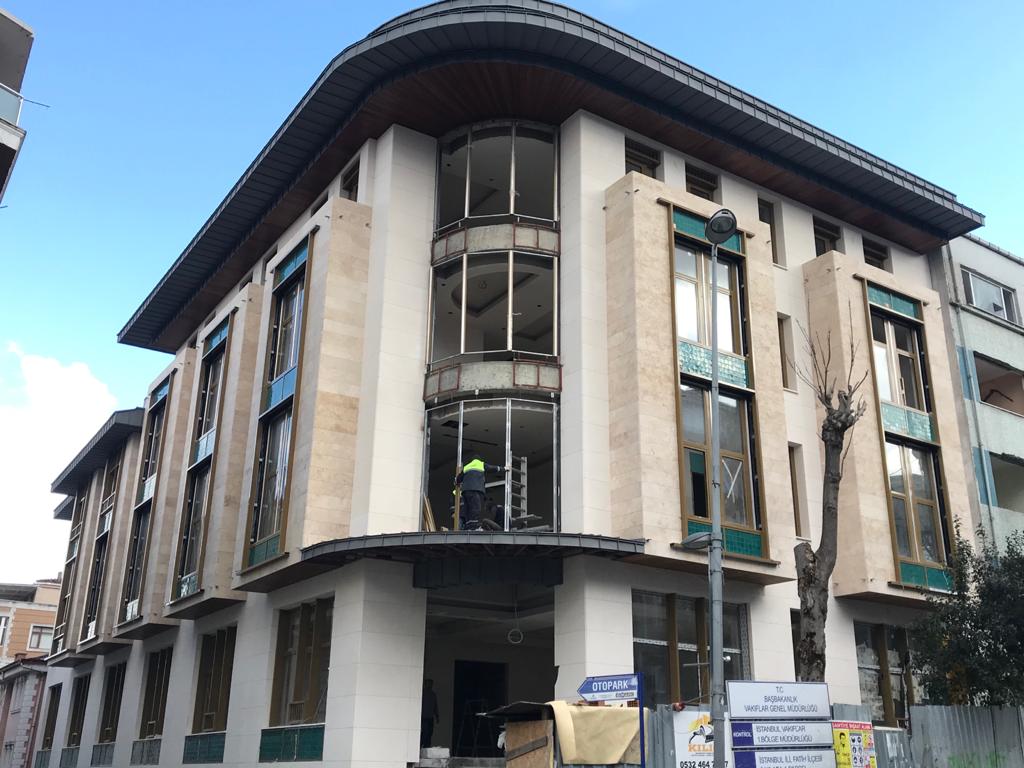
Limestone offers a warm, neutral palette suitable for offices, hotels, and institutional buildings. Its natural texture creates visual interest, while its moderate weight makes it easier to install on large façades.
Modern limestone cladding often incorporates thin panels with backing systems for improved insulation and stability, providing both style and performance.
3. Slate Panels for Contemporary Designs
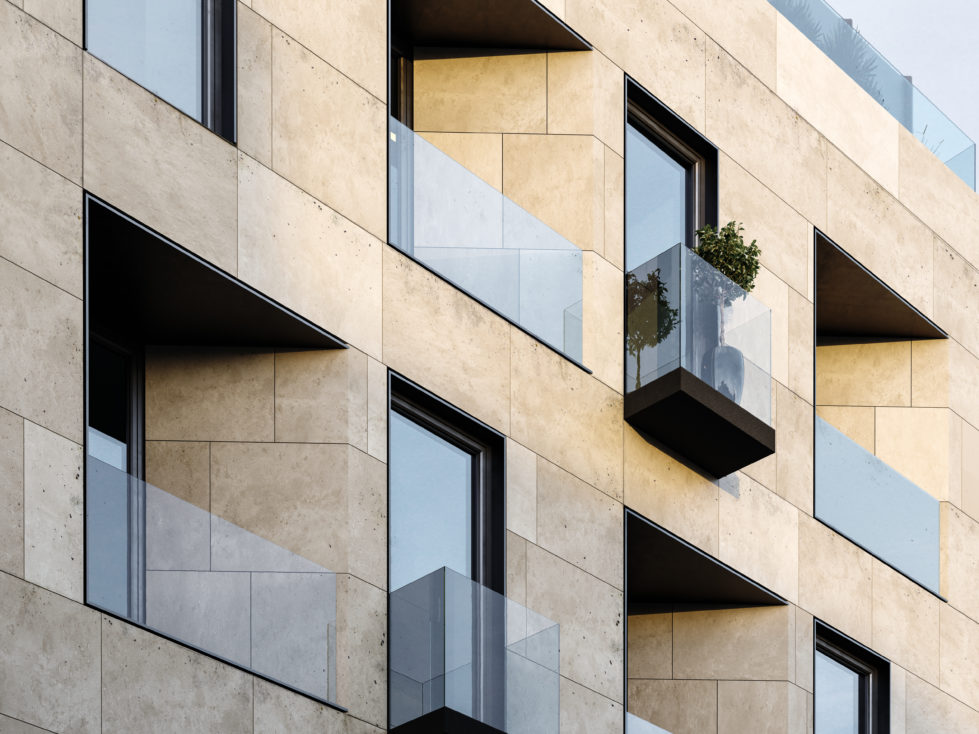
Slate panels add a modern, minimalist touch with their sleek, flat surfaces and deep color tones. They are especially effective in urban residential buildings where clean lines and refined aesthetics are desired.
Beyond looks, slate is fire-resistant, moisture-resistant, and durable, making it practical for both low- and high-rise structures.
4. Manufactured Stone Veneer for Eco-Friendly Projects
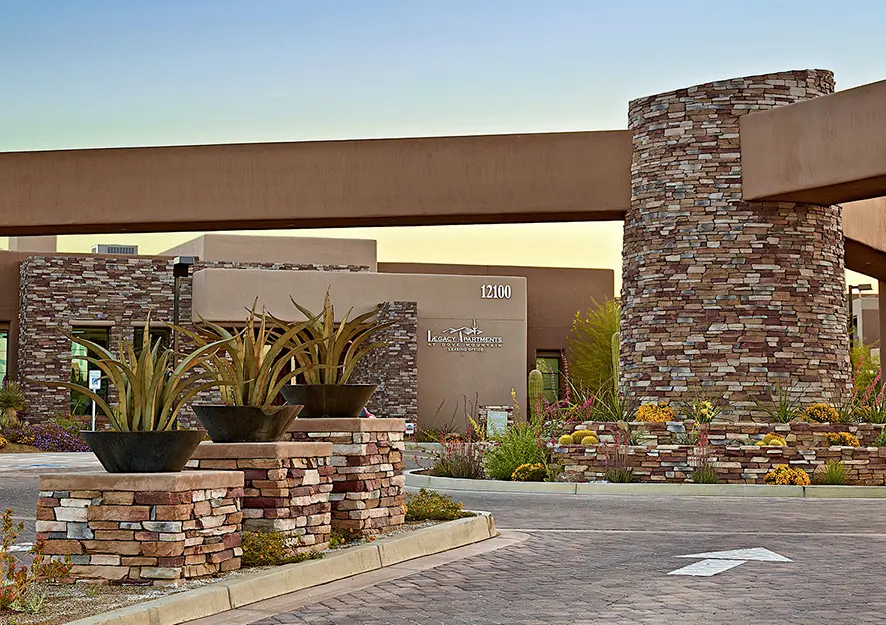
Manufactured stone veneers replicate the appearance of natural stone while reducing material usage and environmental impact. They are lighter, lowering transportation and installation energy costs.
In real-world applications, these veneers are popular in eco-friendly residential projects, community centers, and commercial façades where design flexibility and sustainability are important.
5. Travertine Cladding on Heritage Renovations
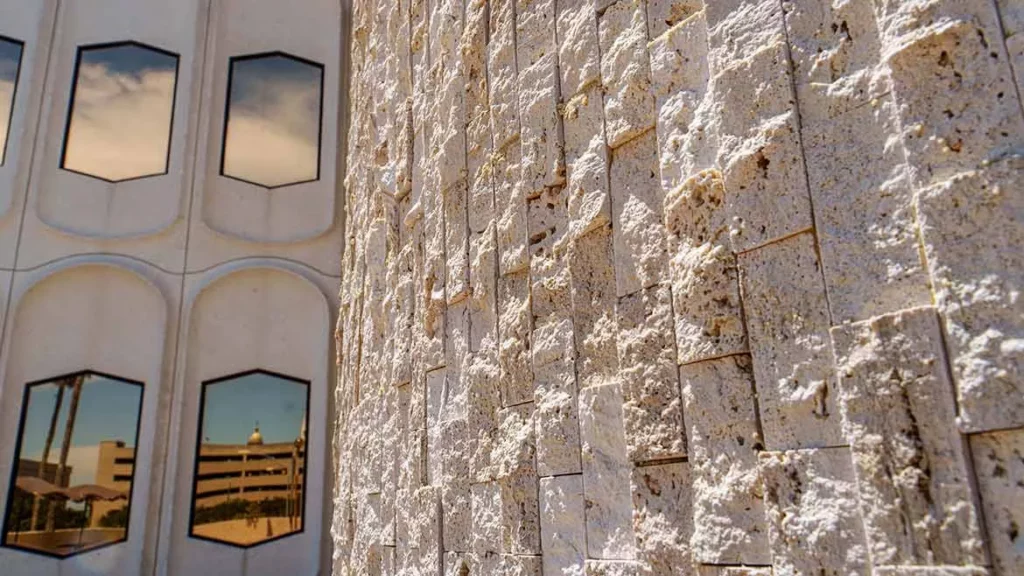
Travertine offers a classic, timeless look with subtle variations and porous textures. It is widely used in renovation projects to preserve historical aesthetics while providing modern durability.
This cladding solution is relevant for architects seeking to maintain visual continuity while upgrading building performance and longevity.
Practical Use Cases of Exterior Stone Cladding
Residential Homes
Stone cladding can transform home exteriors into timeless, high-end spaces. It solves problems related to weathering, fire resistance, and low-maintenance design, making it ideal for homeowners seeking durability and style.
Commercial Buildings
Cladding commercial façades with stone enhances corporate image while providing structural protection. Large office buildings and hotels benefit from low-maintenance surfaces that withstand pollution, moisture, and temperature fluctuations.
Urban Renovations
In urban projects, thin stone panels reduce structural load, allowing retrofits on older buildings. They provide modern aesthetics and energy efficiency without compromising heritage design or safety.
Sustainable Construction
Using manufactured stone or recycled materials in cladding contributes to eco-friendly building practices. These options reduce quarrying, transport energy, and material waste while maintaining a natural look.
Technological Advancements in Stone Cladding
Modern stone cladding systems have integrated technology to improve performance:
-
Lightweight Panels: Engineered panels reduce structural load and simplify installation.
-
Waterproof Backing Systems: Enhance moisture resistance, preventing seepage and damage.
-
CNC-Cut Designs: Allow precise, repeatable patterns for intricate façades.
-
Recycled Stone Composites: Reduce environmental impact while maintaining aesthetics and durability.
These innovations make stone cladding more efficient, affordable, and versatile than traditional solid stone walls.
Frequently Asked Questions
Q1: How long does exterior stone cladding last?
High-quality stone cladding can last 50-100 years, depending on the type of stone and maintenance. Natural stones like granite and slate are especially long-lasting.
Q2: Can stone cladding be applied to any building type?
Yes, stone cladding is versatile and can be installed on wood, concrete, steel, or brick structures, making it suitable for residential, commercial, and heritage buildings.
Q3: Is stone cladding low maintenance?
Yes, stone cladding requires minimal maintenance. Occasional cleaning and inspection for loose panels are typically sufficient, unlike paint or wood finishes that require regular upkeep.