Exterior Wall Panels for Houses Types, Benefits, and Applications
Exterior wall panels have become a modern solution for homeowners and architects seeking durability, aesthetics, and energy efficiency. Exterior wall panels for houses provide protection against the weather, reduce maintenance requirements, and offer design flexibility for both contemporary and traditional homes.
This article explores different types of wall panels, their benefits, real-world examples, and practical use cases. It also explains why these panels are increasingly preferred in modern residential construction.
Understanding Exterior Wall Panels
Exterior wall panels are prefabricated or modular components attached to the outer walls of houses. They can be made from materials like fiber cement, aluminum, vinyl, wood, or composite materials. The primary purpose of these panels is to protect the structure from external elements while enhancing the building’s appearance.
These panels also improve thermal insulation, soundproofing, and fire resistance. Unlike traditional brick or stone exteriors, wall panels are quicker to install and offer a broader range of design possibilities, including textured finishes, patterns, and color variations.
Key Features of Exterior Wall Panels
Durability and Weather Resistance
Exterior wall panels are engineered to withstand harsh environmental conditions. They are resistant to rain, UV exposure, temperature fluctuations, and pests. Fiber cement panels, for example, are highly fire-resistant and do not warp or crack easily, making them suitable for long-term use.
Durable wall panels reduce the need for frequent maintenance and repainting, making them a practical investment for homeowners seeking longevity and low upkeep.
Design Flexibility
Wall panels come in various textures, colors, and sizes, allowing architects to create unique façades. Homeowners can achieve modern, minimalist, rustic, or industrial aesthetics depending on the panel type and layout.
Material combinations, such as wood-look fiber cement or metal panels with glass accents, provide additional design versatility, enabling creative and functional exterior solutions.
Energy Efficiency and Insulation
Many modern wall panels integrate insulation layers that improve thermal performance. They help maintain indoor temperatures, reduce energy costs, and increase comfort. Some panels also offer soundproofing benefits, making them ideal for homes in noisy or urban environments.
Popular Types of Exterior Wall Panels
Fiber Cement Panels
Fiber cement panels are composed of cement, sand, and cellulose fibers. They are durable, fire-resistant, and available in various textures, including wood grain and stone finishes.
This type is ideal for homeowners seeking a combination of aesthetics and long-term performance. Fiber cement panels are also low-maintenance and environmentally friendly, making them suitable for sustainable building practices.
Aluminum Composite Panels
Aluminum composite panels consist of two thin layers of aluminum surrounding a non-aluminum core. They are lightweight, strong, and offer a sleek, modern appearance.
These panels are resistant to corrosion, easy to clean, and highly customizable in color and finish, making them perfect for contemporary architectural styles.
Vinyl Wall Panels
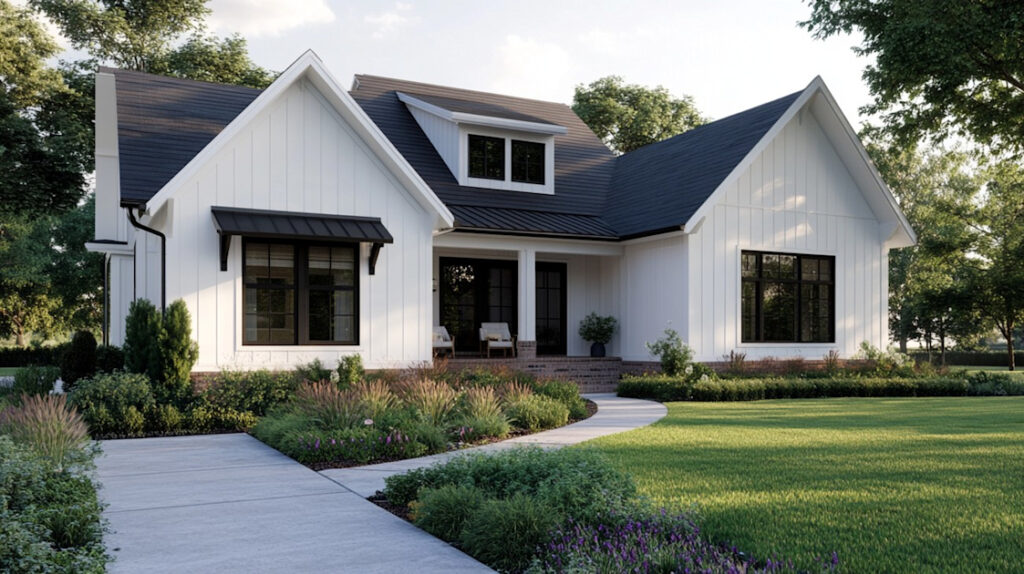
Vinyl panels are a cost-effective solution that is easy to install and maintain. They resist moisture, rot, and pests, making them suitable for humid or rainy climates.
Vinyl panels also come in various colors and textures, allowing homeowners to achieve a variety of exterior styles without extensive upkeep.
Wood and Wood-Look Panels
Wood panels provide warmth and natural beauty. Engineered wood or wood-look composite panels offer the same aesthetic with increased durability and lower maintenance.
These panels are ideal for rustic, contemporary, or Scandinavian-inspired homes and can be combined with other materials for mixed-media designs.
Real-World Examples of Exterior Wall Panels for Houses
1. Fiber Cement Panel Modern Home
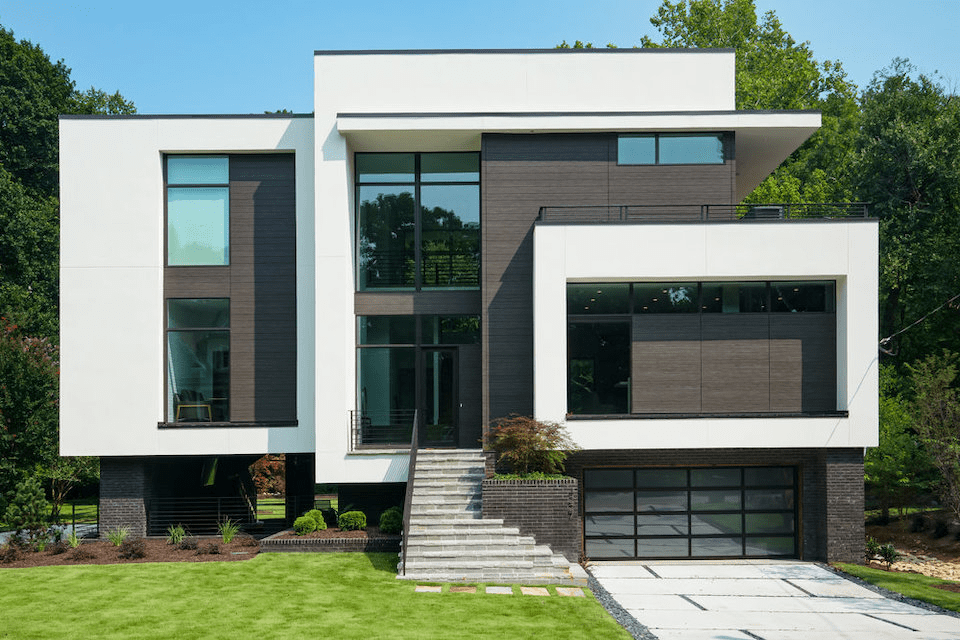
This home features fiber cement panels with a smooth gray finish. The panels provide durability against harsh weather while offering a contemporary aesthetic.
The relevance lies in demonstrating how fiber cement panels enhance both protection and modern design, making them suitable for suburban or urban environments.
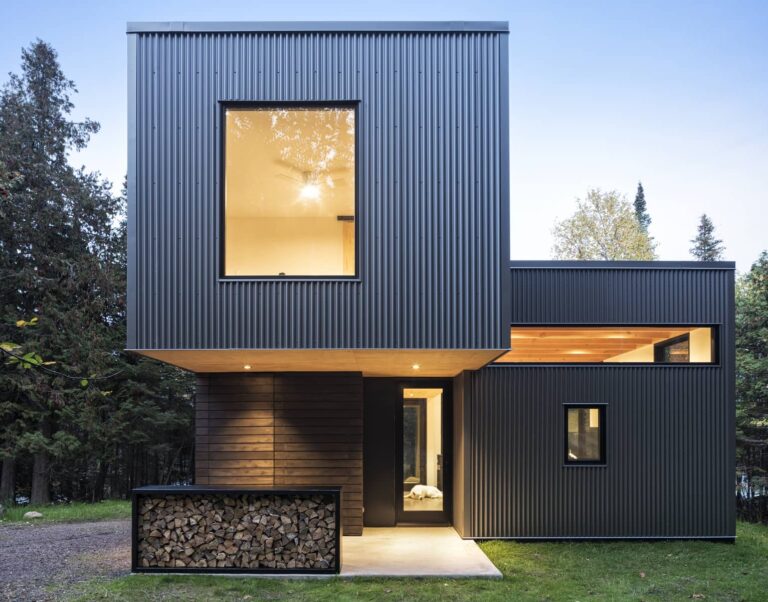
2. Aluminum Composite Panel House
Aluminum panels provide a clean, metallic look ideal for minimalist architecture. They are lightweight, strong, and easy to maintain, which ensures long-lasting performance.
This example is relevant for homeowners wanting a modern, futuristic façade with minimal upkeep.
3. Vinyl Panel Exterior in Coastal Home
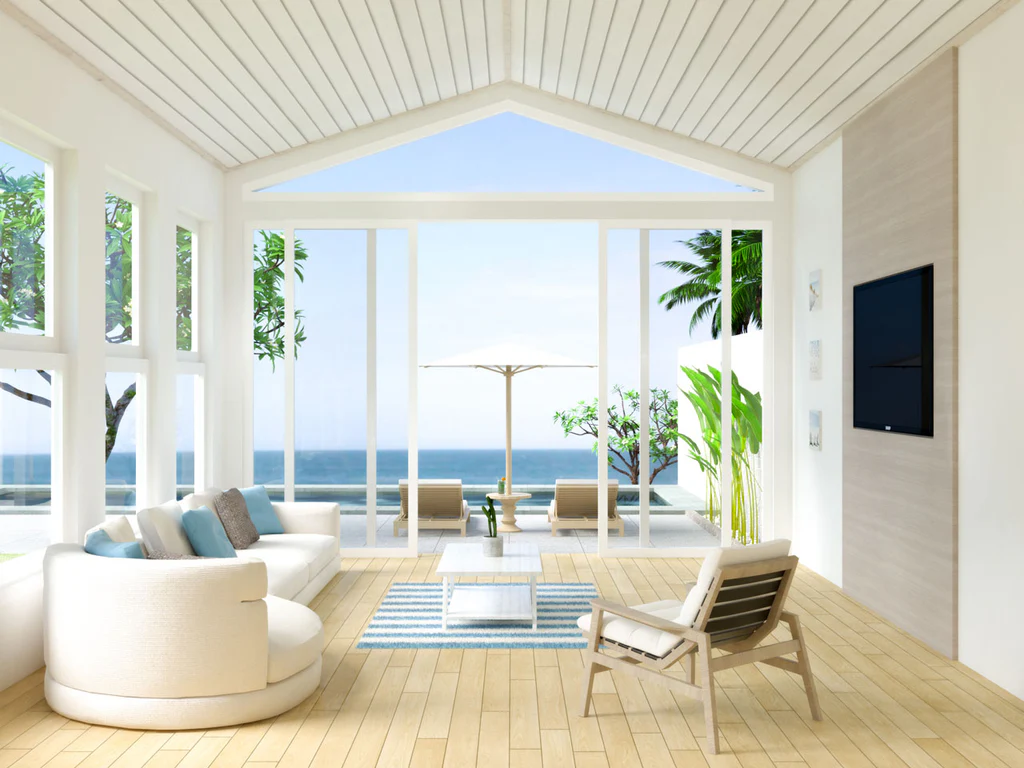
Vinyl panels resist moisture and salt corrosion, making them perfect for homes near the coast. Their versatility in colors allows for both subtle and vibrant designs.
This example highlights the suitability of vinyl panels in challenging climates, providing practical durability and design flexibility.
4. Wood-Look Composite Panel Home
Wood-look panels offer the visual warmth of wood with low maintenance. They are resistant to rot, insects, and warping while providing a sophisticated façade.
The relevance is in achieving a natural, high-end appearance without the challenges of traditional wood.
5. Mixed-Material Panel Home
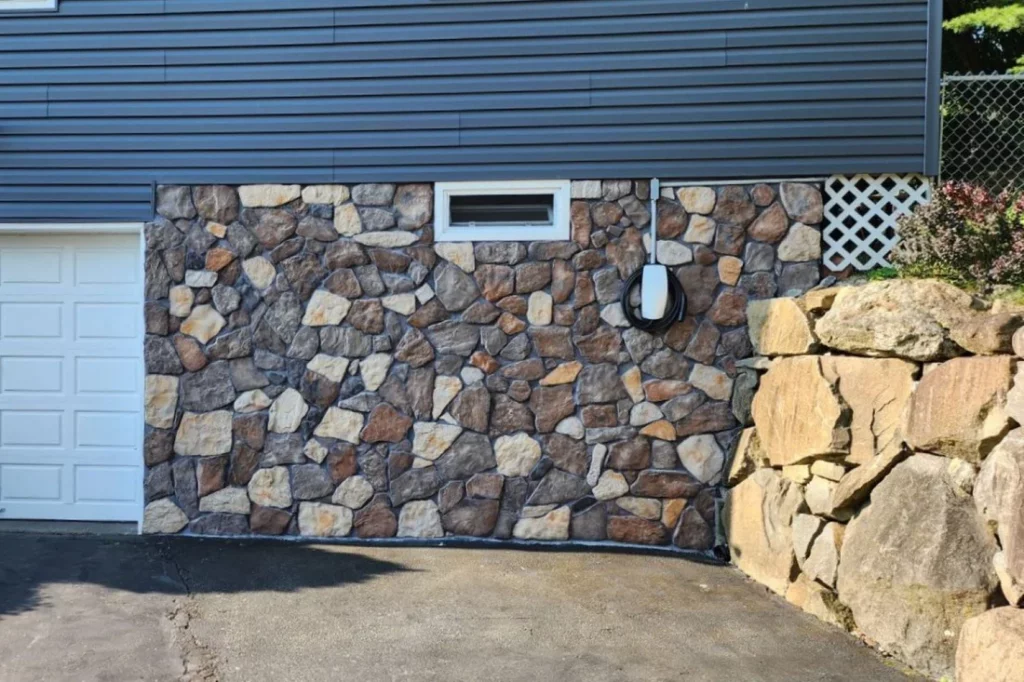
Combining different panel types creates depth and contrast. For example, fiber cement panels paired with stone or metal accents enhance visual interest and highlight architectural features.
This example demonstrates how wall panels can adapt to creative design ideas while providing functional benefits such as insulation and durability.
Benefits of Using Exterior Wall Panels
Durability and Longevity
High-quality wall panels resist weather, pests, and fire, ensuring homes remain protected and visually appealing for decades.
Energy Efficiency
Insulated panels reduce heating and cooling costs, improving indoor comfort while supporting eco-friendly construction.
Low Maintenance
Wall panels minimize upkeep compared to traditional painted exteriors, saving homeowners time and cost over the years.
Design Flexibility
Panels offer various textures, finishes, and colors, allowing for personalized and modern architectural designs.
Faster Installation
Prefabricated panels simplify construction, reducing labor and installation time compared to brick or stone façades.
Practical Use Cases
Suburban Homes
Wall panels provide modern aesthetics, insulation, and durability, making them ideal for family homes in suburban neighborhoods.
Urban Residences
Lightweight panels, such as aluminum composite panels, suit urban environments where construction speed and design innovation are essential.
Coastal or Harsh Climates
Vinyl or fiber cement panels resist moisture, wind, and salt corrosion, making them ideal for coastal houses or areas with extreme weather.
Eco-Friendly Projects
Insulated panels improve energy efficiency, reducing environmental impact while maintaining a modern look.
Renovations and Extensions
Exterior panels are perfect for updating older façades, providing a new modern appearance without complete structural changes.
Frequently Asked Questions
Q1: Are exterior wall panels suitable for all climates?
Yes, modern panels are designed for diverse climates. Material choice, such as vinyl for humid areas or aluminum for urban buildings, ensures performance and durability.
Q2: Do wall panels require high maintenance?
No, most exterior wall panels are low-maintenance. Occasional cleaning is sufficient, unlike painted or wood exteriors that require frequent upkeep.
Q3: Can wall panels improve energy efficiency?
Yes, insulated panels help regulate indoor temperatures, reduce heating and cooling costs, and enhance overall energy efficiency in homes.