Fiber Cement Siding Installation A Complete Guide for Durable Home Exteriors
Fiber Cement Siding Installation has become one of the most popular exterior cladding options for modern homeowners due to its durability, fire resistance, and design versatility. Composed of cement, sand, and cellulose fibers, it mimics the appearance of wood or stone while delivering superior longevity.
Unlike traditional wood siding, which is prone to termites and rot, fiber cement siding stands up to harsh weather, UV exposure, and pests. This makes it an excellent choice for long-term investment in home protection and curb appeal.
Why Fiber Cement Siding Stands Out
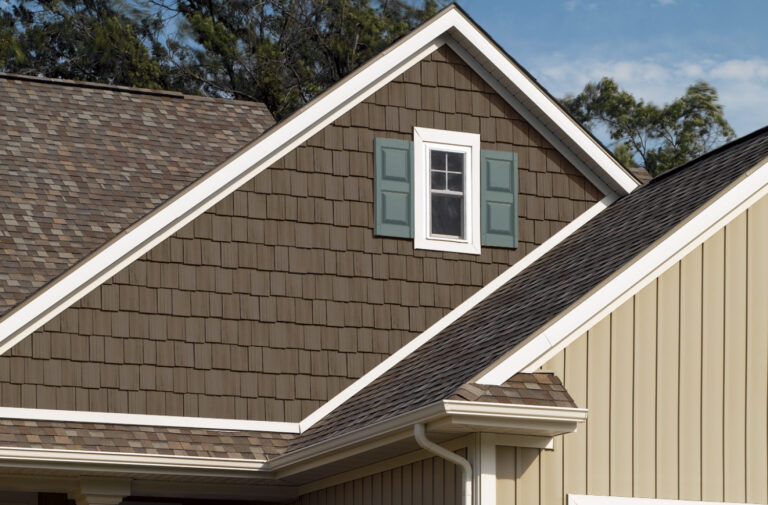
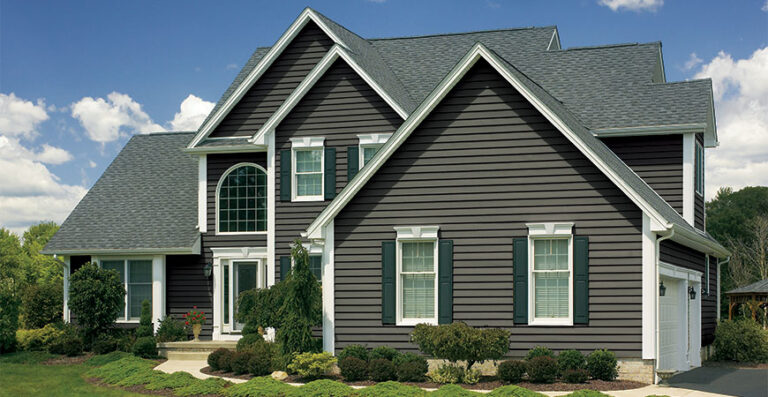
The main reason homeowners and contractors turn to fiber cement siding is its balance of beauty and resilience. It offers the timeless look of wood without the high maintenance, and it comes in various finishes and colors to match different architectural styles.
Additionally, its fire-resistant properties give peace of mind, particularly in areas prone to wildfires. It also has excellent dimensional stability, meaning it won’t warp or expand significantly with temperature changes.
Preparation for Fiber Cement Siding Installation
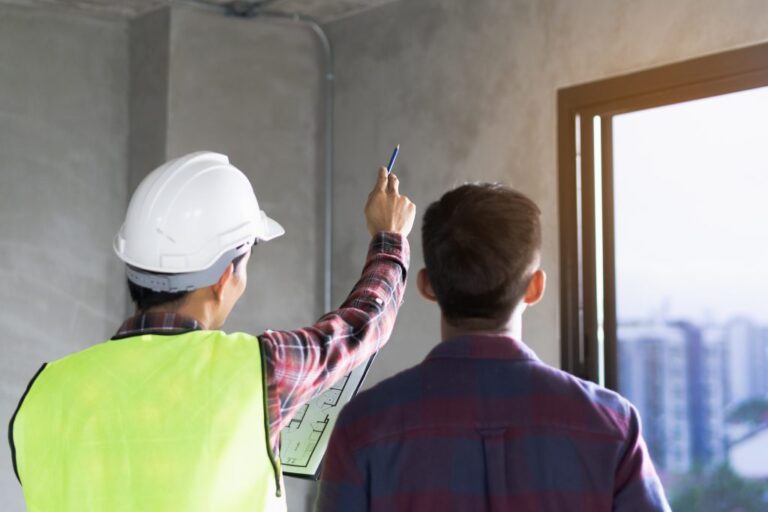
Proper preparation is crucial for successful siding installation. Before the process begins, the wall surface must be inspected for damage, rot, or moisture issues. Any existing siding is removed if necessary, and the substrate must be clean, dry, and level.
Contractors often install a weather-resistant barrier, such as house wrap, to add extra protection against water infiltration. Flashing is also placed around windows, doors, and joints to prevent leaks and ensure a long-lasting finish.
Step-by-Step Process of Fiber Cement Siding Installation
Cutting and Handling Panels
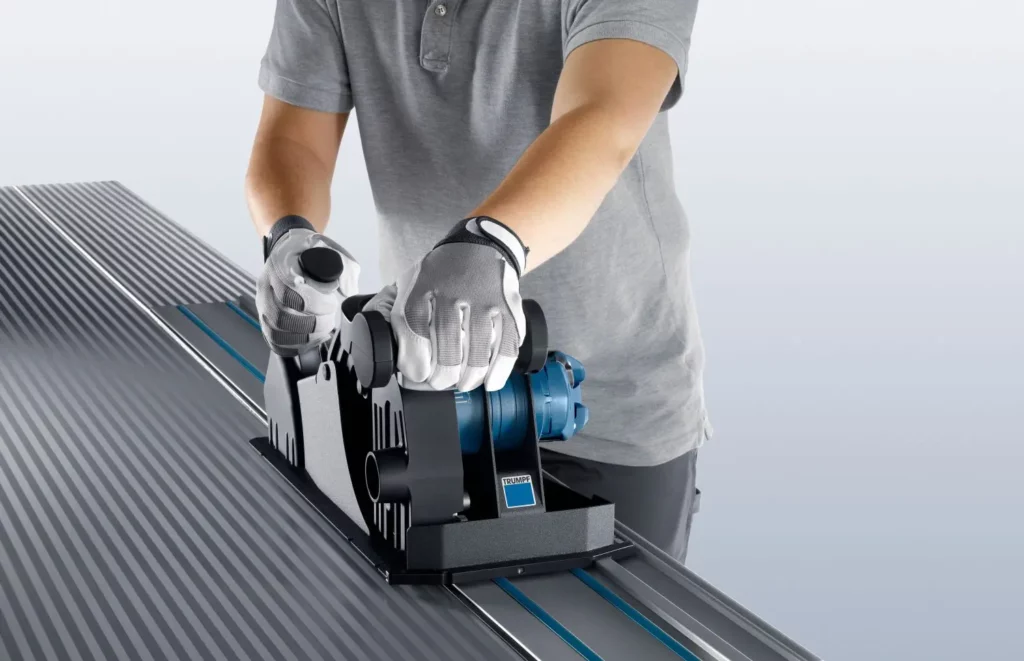
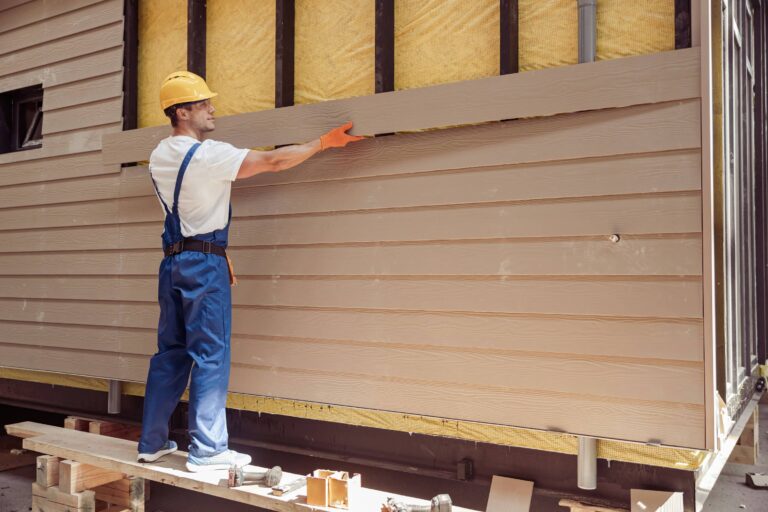
The first stage of installation involves cutting the fiber cement panels or planks to size. Specialized cutting tools with dust collection systems are often used, as fiber cement produces silica dust when cut. Proper handling is essential because the boards are heavier than vinyl or wood siding.
The cut panels are then pre-drilled where necessary and carefully lifted into place. Due to their weight, installation typically requires a team rather than a single person.
Fastening the Panels
Once in position, the siding panels are fastened with corrosion-resistant nails or screws. Contractors ensure the fasteners penetrate both the siding and the wall studs for maximum stability.
The fasteners are either left exposed or concealed, depending on the design choice. Concealed fasteners create a sleek, modern look, while exposed fasteners may be preferred for traditional aesthetics.
Sealing and Finishing
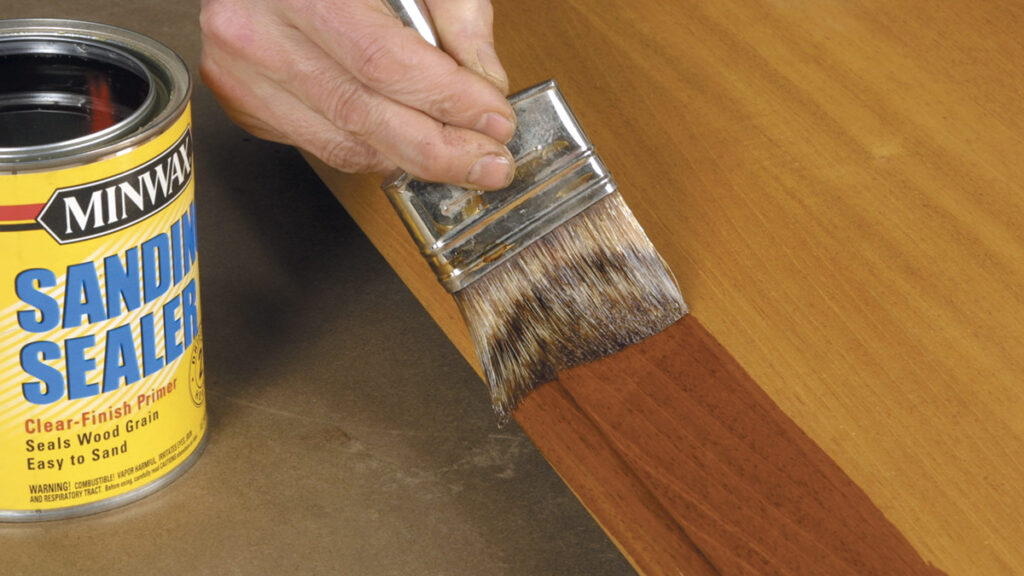
After panels are secured, joints and seams are sealed with high-quality caulk to prevent water penetration. Trim pieces are added around windows, doors, and corners to create a polished finish.
Finally, the siding may be painted or stained if not pre-finished. High-quality exterior paints ensure additional UV protection and long-lasting color vibrancy.
Benefits of Using Modern Installation Techniques
Modern installation tools and techniques have made fiber cement siding even more efficient. For example, advanced cutting tools minimize dust exposure and allow for cleaner edges. Laser levels ensure perfect alignment, improving the visual appeal of the finished siding.
In addition, new fastening systems reduce installation time and improve precision. Contractors now use pneumatic nailers with specific settings for fiber cement, making the process quicker and more reliable compared to manual fastening.
Real-World Examples of Fiber Cement Siding Products
James Hardie HardiePlank® Lap Siding
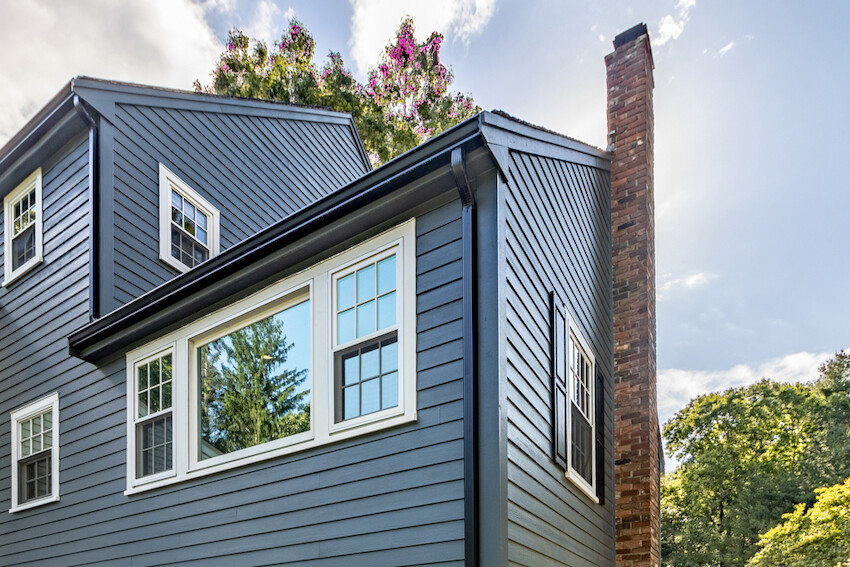
James Hardie is one of the most recognized brands in fiber cement siding. The HardiePlank® Lap Siding is known for its classic wood-grain finish and high resistance to moisture and fire. It’s available in a variety of colors, making it suitable for both traditional and modern homes.
Its durability is backed by years of field testing, and it has become a benchmark in the industry. Homeowners often choose this product for its long warranty and proven track record.
Allura Fiber Cement Siding
Allura offers a wide range of fiber cement siding products, including lap siding, panels, and shingles. One of its standout features is the deep wood-grain textures that provide an authentic look without the drawbacks of real wood.
Allura siding is engineered for long-lasting performance and is designed to resist cracking, peeling, and fading. Its versatility allows it to be used in both residential and commercial projects.
Nichiha Architectural Wall Panels
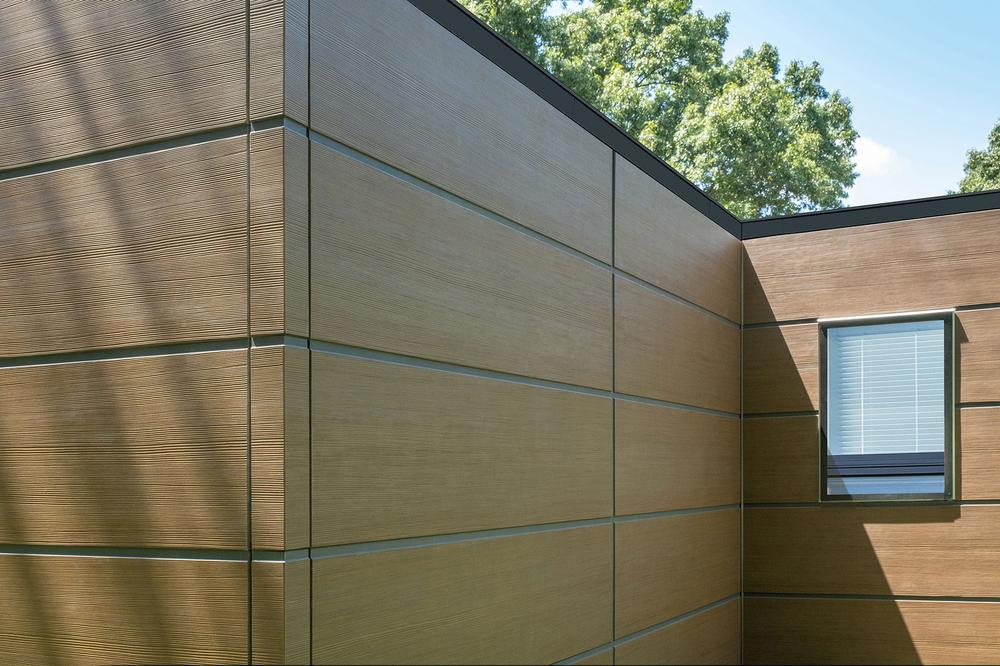
Nichiha specializes in fiber cement siding with a more architectural and contemporary style. Their wall panels often mimic stone, brick, or even metallic finishes, making them popular for modern home designs.
These panels not only add visual interest but also provide superior durability. With their unique finishes, Nichiha products stand out in upscale housing and commercial projects.
GAF Weatherside™ Fiber Cement Siding
GAF Weatherside™ siding is particularly useful for repair projects. It offers smaller shingles and panels that can replace older asbestos-cement siding while matching the original look.
This makes it a go-to product for homeowners who want to preserve the character of historic homes while upgrading to a safer, more modern material.
Benefits of Fiber Cement Siding for Homeowners
One of the biggest advantages of fiber cement siding is its low maintenance. Unlike wood, which requires frequent repainting and sealing, fiber cement siding maintains its look for many years with minimal upkeep.
It is also resistant to pests, fire, and extreme weather, which reduces the risk of costly repairs. Additionally, fiber cement siding can improve a home’s value by enhancing curb appeal and offering long-term durability.
Practical Use Cases of Fiber Cement Siding
For homeowners in coastal regions, fiber cement siding provides excellent resistance to salt air and high humidity. It prevents warping and rot that commonly affect wood siding in these conditions.
In wildfire-prone areas, fiber cement siding serves as a protective barrier, slowing the spread of flames and giving families more time to respond. For urban homes, its sound-dampening qualities reduce street noise, creating a more peaceful living environment.
FAQs
Q1. How long does fiber cement siding last?
With proper installation and maintenance, fiber cement siding can last 30–50 years, making it one of the most durable siding options available.
Q2. Is fiber cement siding environmentally friendly?
Yes. Fiber cement siding is made from sustainable raw materials and often lasts longer than alternatives, reducing the need for frequent replacements.
Q3. Can I install fiber cement siding myself?
Due to its weight and the need for specialized tools, professional installation is highly recommended. DIY installation is possible but challenging without proper training and equipment.