Fire-Resistant Roofing Materials A Complete Guide for Homeowners
Roofing is not only about aesthetics and shelter-it is also one of the first lines of defense against hazards such as wildfires, lightning strikes, and airborne embers. In recent years, with increasing concerns about climate change and wildfire risks, fire-resistant roofing materials have become an essential consideration for homeowners.
In this guide, we will explore the most reliable fire-resistant roofing options, their benefits, real-world applications, and why investing in the right material can save homes and lives.
Understanding Fire-Resistant Roofing
Fire-resistant roofing materials are designed to minimize the spread of flames, resist ignition, and protect the underlying structure of a home during fire exposure. In the U.S., roofing materials are rated by fire-resistance classes: Class A, B, and C. Class A provides the highest protection, making it the preferred choice for areas at high risk of wildfires.
These materials are not only about fire protection but also durability, energy efficiency, and architectural design. Choosing the right option depends on budget, style, and environmental factors.
Popular Fire-Resistant Roofing Materials
Metal Roofing
Metal roofing is one of the most effective fire-resistant options available. Made from steel, aluminum, or copper, metal sheets are non-combustible and typically achieve a Class A fire rating. Their smooth surfaces also prevent embers from lodging and igniting.
In addition to fire safety, metal roofs are durable against wind, rain, and snow, lasting 40–70 years with minimal maintenance. They are often used in both residential and commercial applications, offering a sleek and modern aesthetic.
Clay and Concrete Tiles
Clay and concrete tiles have been used for centuries in fire-prone regions due to their natural resistance to heat and flames. These tiles are heavy and non-combustible, making them excellent for Class A fire protection.
Beyond safety, clay and concrete tiles are prized for their timeless Mediterranean or Spanish-style look. They can last over 50 years when properly maintained and provide excellent thermal insulation, reducing energy costs.
Slate Roofing
Slate is a natural stone material that provides unmatched fire resistance and durability. As a Class A roofing option, slate is non-combustible and highly resistant to heat. Its dense composition makes it one of the most secure materials for fire-prone regions.
Slate also offers unmatched beauty, giving homes a sophisticated and luxurious appearance. While heavy and costly, its lifespan can exceed 100 years, making it a long-term investment.
Asphalt Shingles (Fiberglass-Based)
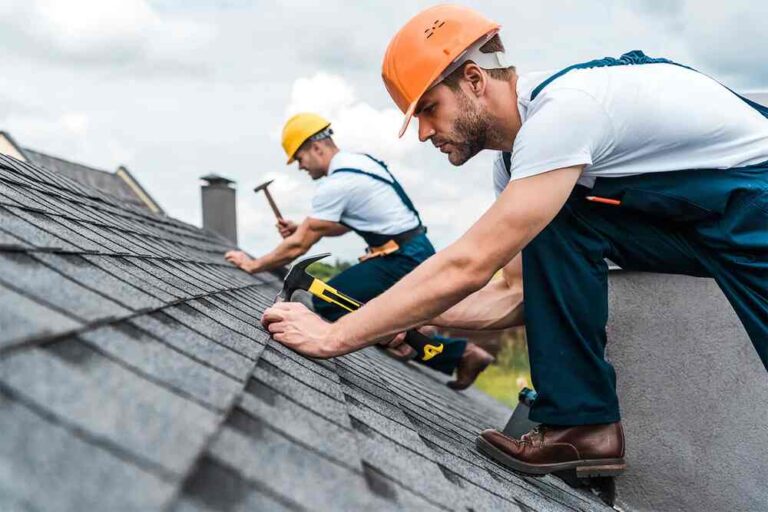
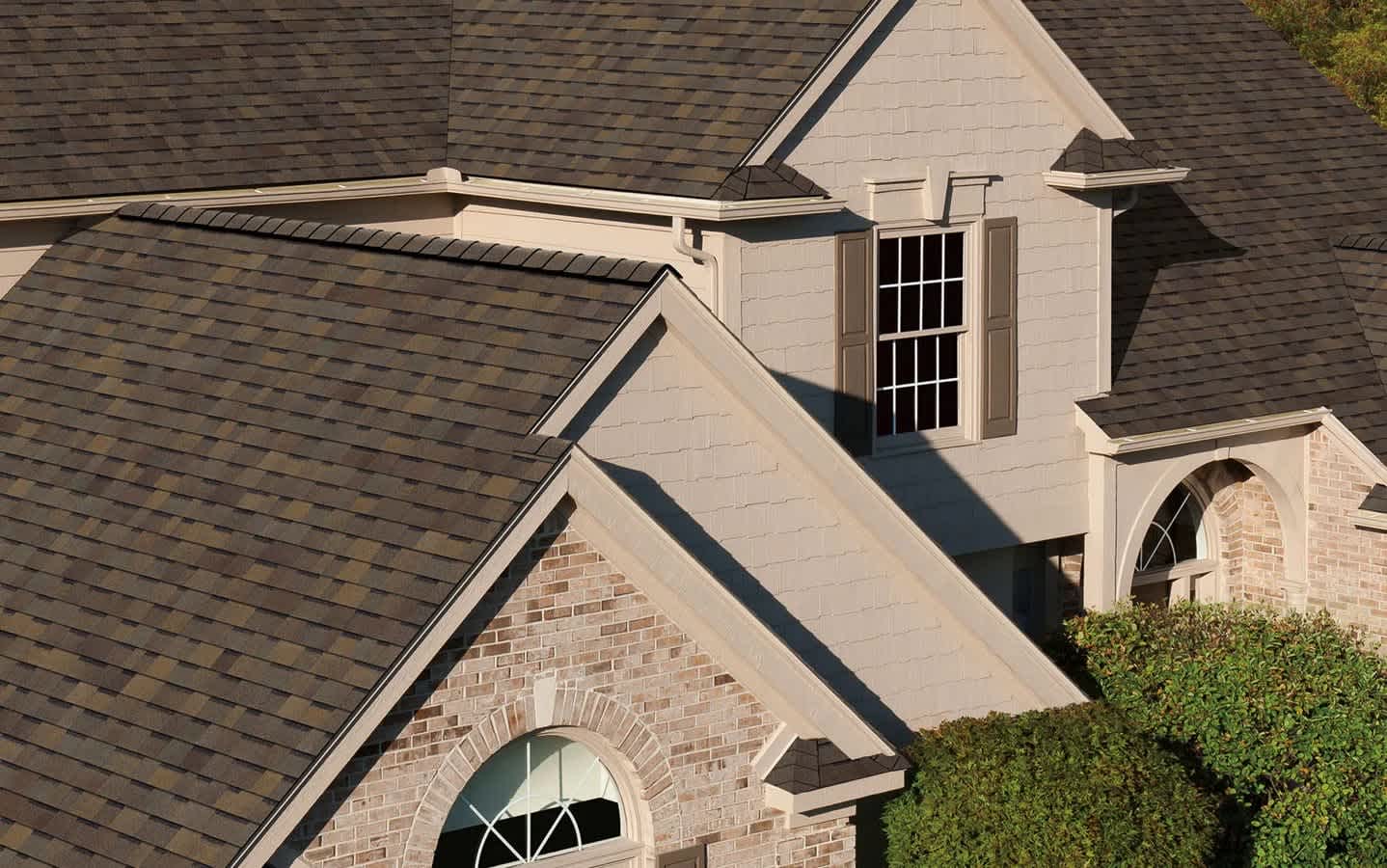
Not all asphalt shingles are equally fire-resistant, but fiberglass-based asphalt shingles can achieve Class A fire ratings. They are treated with fire-resistant materials to reduce flammability and provide affordable protection compared to premium materials like slate or clay.
These shingles remain the most common roofing option in the U.S. due to their cost-effectiveness, versatility, and availability in multiple styles and colors.
Synthetic Roofing Materials
Advancements in technology have led to synthetic roofing materials made from polymers, composites, or recycled materials that mimic the appearance of wood, slate, or clay while offering Class A fire protection.
These products are lighter and easier to install than natural alternatives, providing homeowners with flexibility in design without compromising safety.
Real-World Examples of Fire-Resistant Roofing
1. Standing Seam Metal Roofs
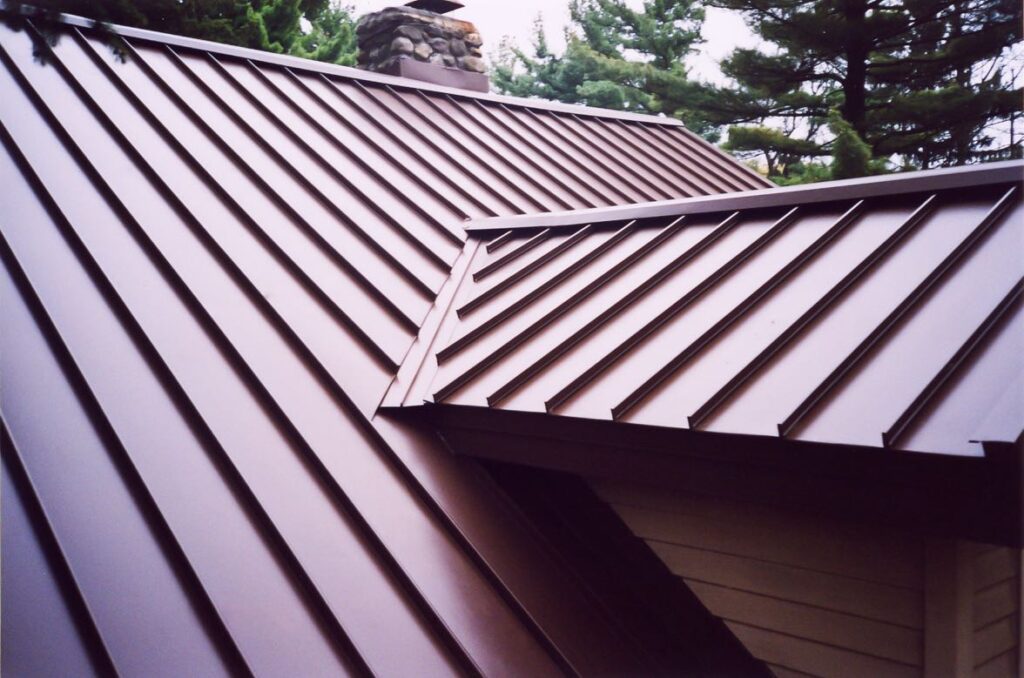
Standing seam metal roofs are widely used in wildfire-prone areas like California. Their interlocking panels provide strong resistance against wind-driven embers, while the non-combustible material ensures Class A protection. Many modern homes adopt this system for both safety and its sleek, contemporary look.
2. Ludowici Clay Tiles
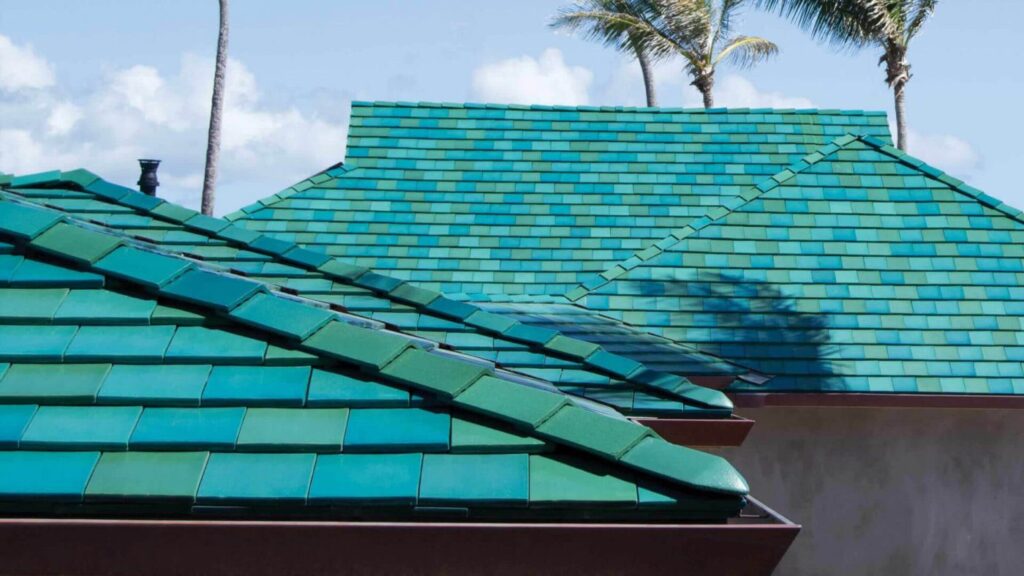
Ludowici is a well-known manufacturer of clay roofing tiles. Their tiles are prized for both fire resistance and aesthetic charm, commonly seen in luxury residences and historic restorations. These tiles can last over a century with minimal degradation, making them a sustainable option.
3. Vermont Slate Roofing
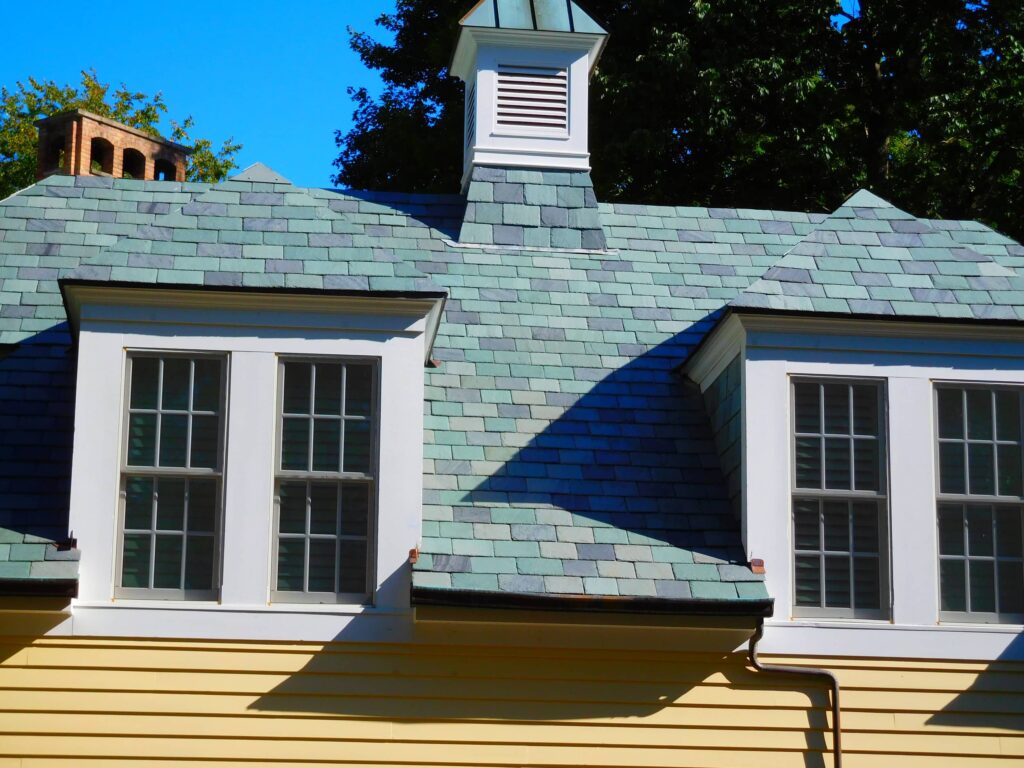
Natural slate from Vermont quarries is a popular choice in high-end homes for its unmatched longevity and Class A fire rating. Homeowners in wildfire-prone regions value slate not only for its durability but also for its ability to maintain elegance for decades.
4. Owens Corning Fiberglass Asphalt Shingles
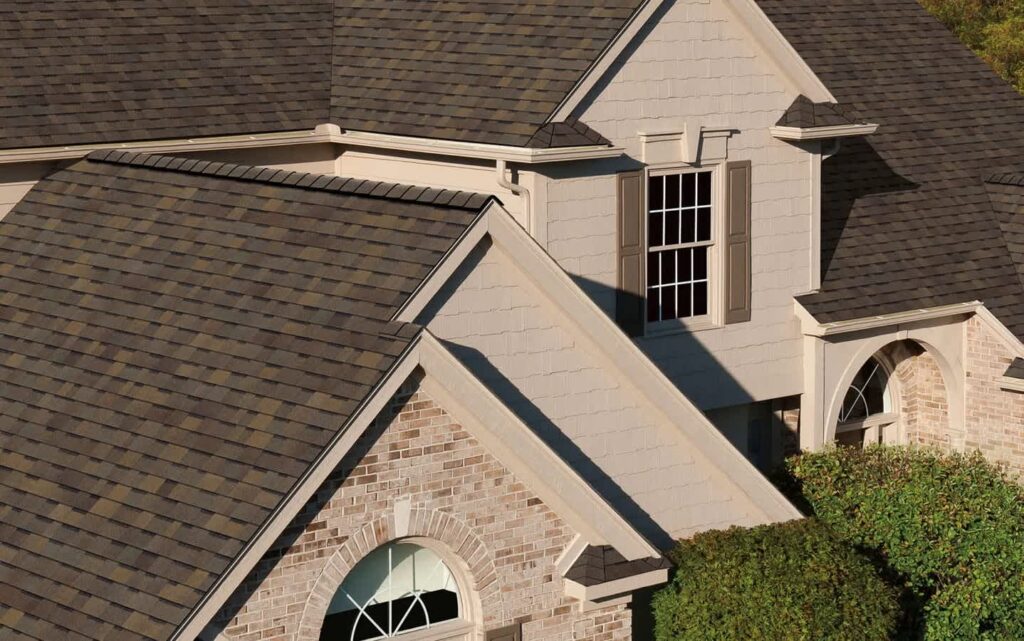
Owens Corning produces fiberglass-based asphalt shingles that offer Class A fire protection while being budget-friendly. These shingles are commonly chosen for suburban homes where homeowners want both affordability and safety.
5. DaVinci Synthetic Slate Roofing
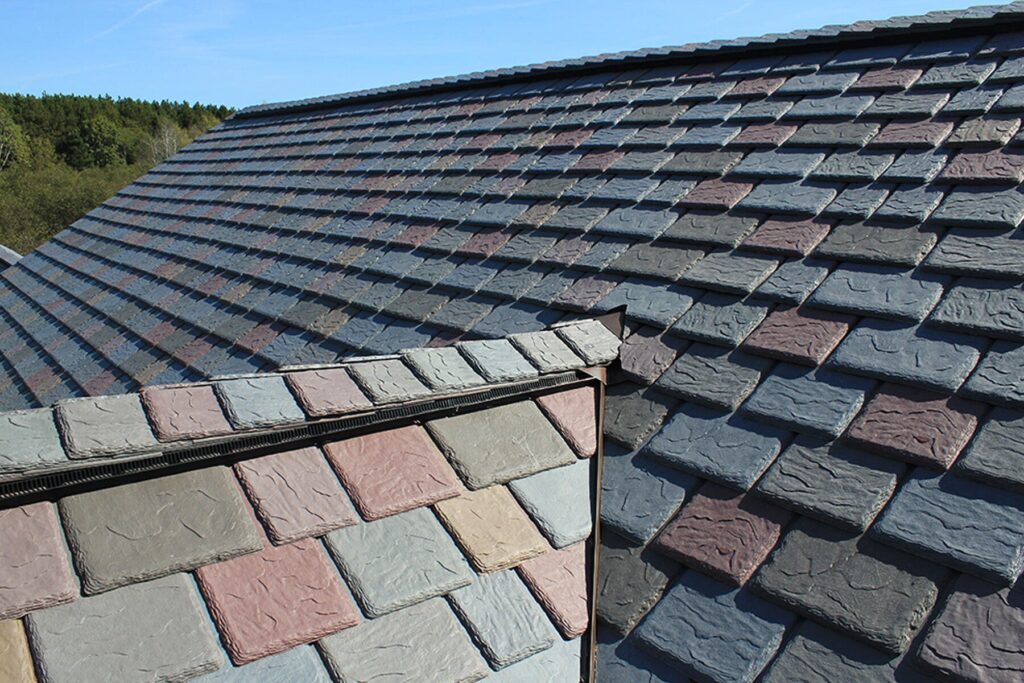
DaVinci produces synthetic slate tiles made from engineered polymers. These mimic the appearance of natural slate but weigh less and are easier to install. Their Class A fire rating makes them popular in areas where fire safety and architectural flexibility are top priorities.
Benefits of Fire-Resistant Roofing Materials
Enhanced Safety
The primary advantage of fire-resistant roofing is the protection it offers against wildfires and accidental fires. These materials reduce the risk of ignition and slow flame spread, giving occupants more time to respond.
Long-Term Durability
Many fire-resistant roofing materials, such as slate, metal, and clay tiles, are known for their longevity. They can withstand decades of weather exposure while maintaining their protective qualities, making them a wise long-term investment.
Energy Efficiency
Materials like clay tiles and metal roofing reflect heat or provide natural insulation, reducing energy costs. Fire resistance often comes paired with improved thermal regulation, enhancing comfort indoors.
Low Maintenance
Fire-resistant roofs often require less maintenance compared to combustible options like untreated wood shakes. Homeowners benefit from reduced repair costs and long-lasting performance.
Use Cases for Fire-Resistant Roofing
Homes in Wildfire-Prone Areas
In regions like California or Colorado, where wildfires are common, using fire-resistant roofing is essential. Non-combustible materials like metal or slate can protect homes from embers carried by strong winds.
Commercial and Public Buildings
Schools, hospitals, and office complexes often rely on Class A fire-rated roofs for added safety. This ensures compliance with fire safety regulations and reduces liability risks.
Sustainable and Luxury Housing
Eco-conscious homeowners often choose synthetic or clay tiles, which provide fire resistance while aligning with sustainable building practices. Luxury estates frequently opt for slate, combining timeless aesthetics with top-tier protection.
Frequently Asked Questions
Q1. What is the most fire-resistant roofing material?
Slate and metal roofing are among the most fire-resistant materials, both achieving Class A fire ratings and providing exceptional durability against flames and heat.
Q2. Are asphalt shingles fireproof?
Not all asphalt shingles are fire-resistant. Fiberglass-based shingles with Class A ratings offer good protection, while organic-based asphalt shingles are less fire-resistant.
Q3. Do fire-resistant roofs require special maintenance?
Generally, fire-resistant roofs like metal, slate, and clay tiles require less maintenance than traditional wood shakes. However, regular inspections are recommended to ensure maximum performance and longevity.