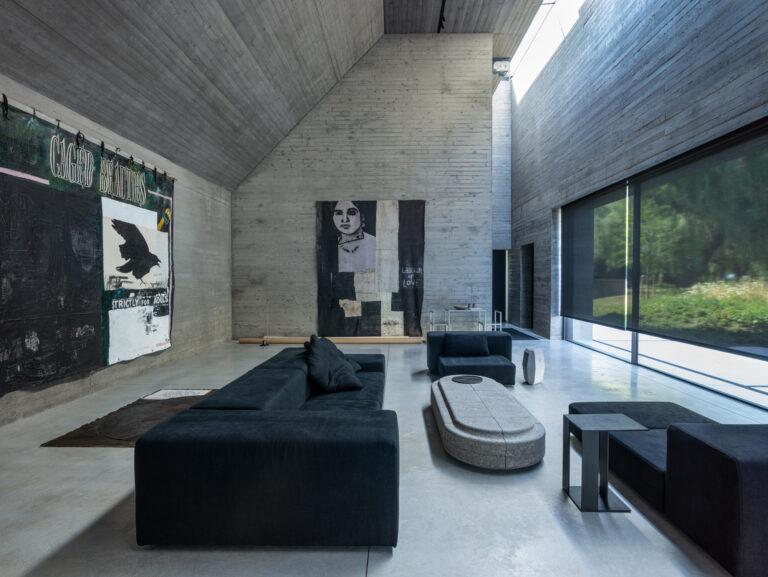
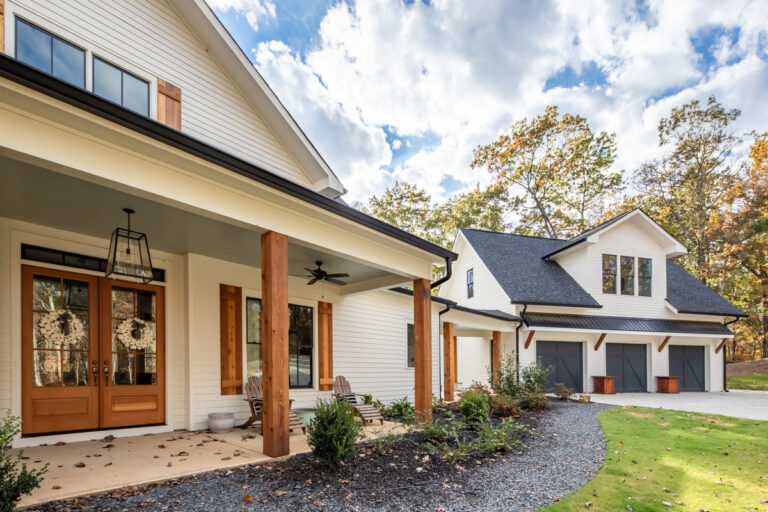
Front Elevation Design for Modern House Styles, Features, and Inspirations
Front elevation design is one of the most important aspects of a modern house because it creates the first impression. The front elevation refers to the architectural view of a house as seen from the front, highlighting key features such as the façade, entrance, windows, and exterior finishes. In modern architecture, this design is often clean, minimalistic, and functional, showcasing geometric lines, large windows, and innovative materials.
A well-designed front elevation not only enhances the visual appeal of a house but also reflects the lifestyle and personality of its residents. For modern homes, the focus is typically on blending aesthetics with practicality. The use of glass, steel, wood, and textured finishes is common to create a stylish yet functional exterior.
Key Elements of Modern House Front Elevation
Geometric Shapes and Clean Lines
Modern architecture favors simplicity, and the front elevation design often includes rectangular or square forms with sharp edges. This creates a neat, structured look that communicates order and elegance. Wide frames, flat roofs, and horizontal lines are widely used to give the house a streamlined and contemporary appeal.
This geometric approach is also practical, as it maximizes space and provides flexibility in both interior and exterior planning. Homeowners benefit from a modern, timeless appearance that remains attractive for decades.
Glass and Transparency
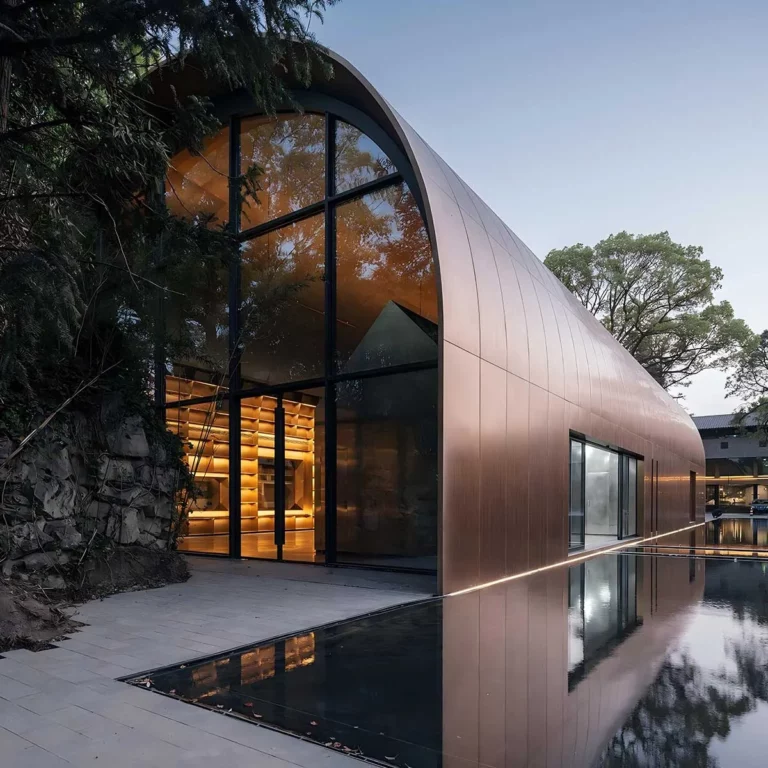
Large glass windows and sliding doors are a defining feature of modern house front elevations. They allow natural light to flood the interiors while also creating a sleek, luxurious look from the outside. Glass elements also enhance the connection between the home and its surrounding landscape.
In addition to aesthetics, glass is functional, contributing to energy efficiency when combined with modern insulated glazing technologies. This makes it a sustainable and stylish option for contemporary living.
Popular Materials Used in Modern Front Elevations
Concrete and Cement Finishes
Concrete has become a signature material in modern architecture. It provides strength, durability, and a minimalist look that aligns with modern design principles. The use of textured cement finishes in the front elevation gives a sophisticated and bold appearance.
Beyond style, concrete is practical for long-term maintenance as it resists weathering and adds structural integrity to the house. This makes it one of the most popular choices for modern homeowners.
Wood Accents
Wood accents are often incorporated in modern front elevation designs to balance the sleekness of concrete and glass with natural warmth. Whether used for doors, window trims, or panel cladding, wood creates a welcoming aesthetic that feels luxurious yet approachable.
Engineered wood options are preferred for durability and resistance to moisture, ensuring that the beauty of wood remains intact while requiring less maintenance. The combination of wood with glass and steel gives a balanced, elegant appearance.
Stone and Textured Cladding
Natural stone and textured cladding materials are used in many modern front elevations to add richness and depth. These finishes create contrast, breaking the monotony of flat surfaces and offering a dynamic appeal.
Stone also symbolizes durability and strength, and when applied to a modern façade, it combines tradition with innovation. Different types of stone, such as granite, slate, and limestone, can be used depending on design preference.
Real-World Examples of Modern House Front Elevations
1. Minimalist Glass and Steel Façade
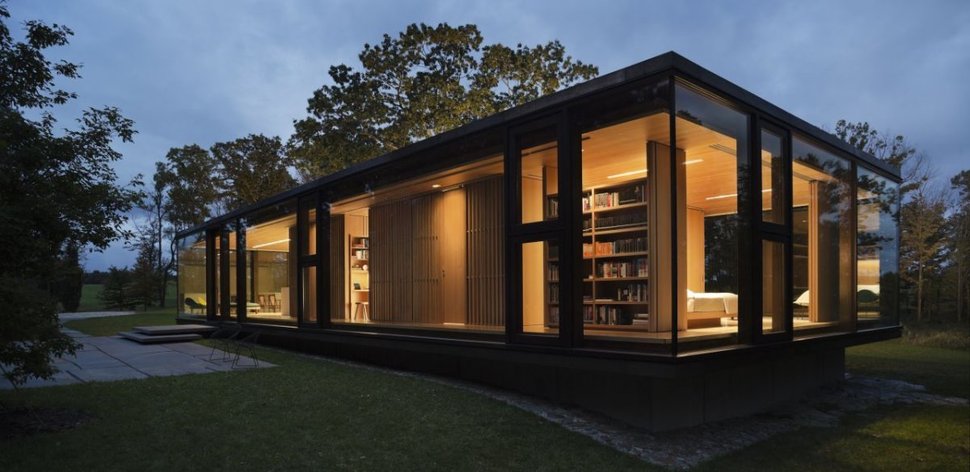
A house featuring a front elevation with large glass panels framed in sleek steel offers an ultra-modern appearance. This style emphasizes transparency and clean lines, allowing the structure to appear open and inviting.
The design is perfect for urban homes where natural light is limited, as it maximizes illumination while maintaining energy efficiency with advanced glass technology.
2. Concrete and Wood Combination Design

In this design, smooth concrete walls are paired with warm wooden panels on the front façade. The combination delivers a striking contrast that is modern yet cozy. The wood softens the rigidity of concrete, making the house visually balanced and inviting.
This approach is particularly popular in residential areas where homeowners want a sophisticated but family-friendly atmosphere. It also blends seamlessly with landscaped gardens and natural surroundings.
3. Contemporary Stone-Clad Elevation
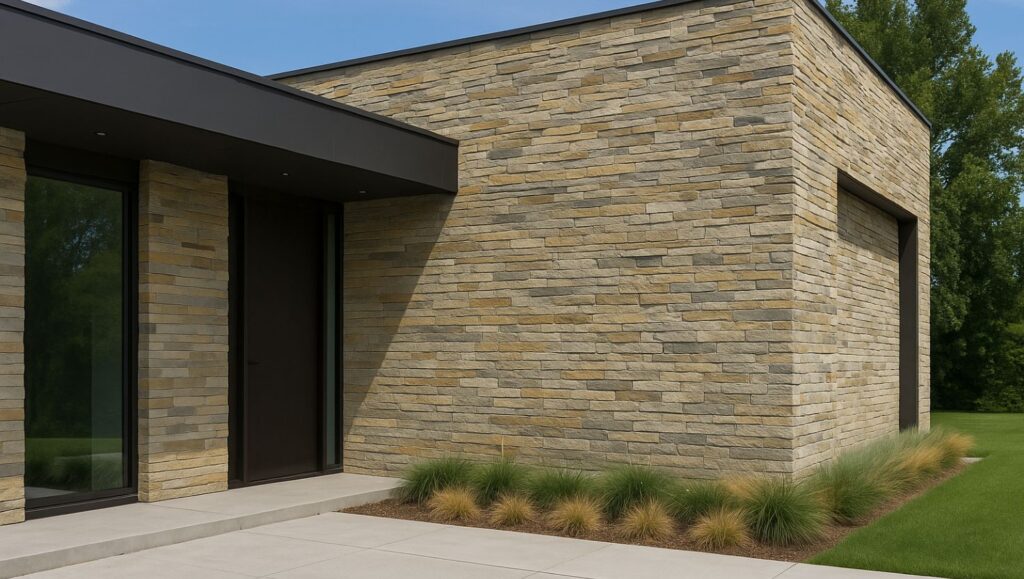
A front elevation incorporating natural stone cladding highlights the timelessness of traditional materials in a modern framework. By combining stone with large windows and modern roofing, the design appears luxurious and strong.
This style suits larger homes, villas, or suburban houses where exterior space allows the texture of stone to stand out prominently. The durability of stone also ensures longevity with minimal upkeep.
4. Modern Flat Roof Design with Horizontal Lines
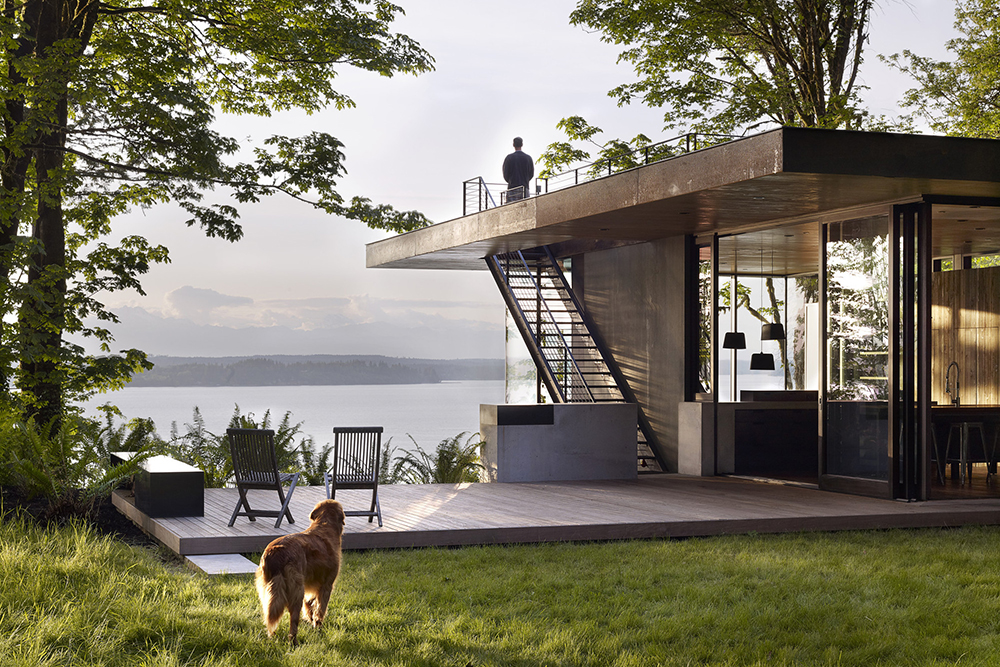
Flat rooflines paired with long horizontal windows create a unique front elevation that embodies the essence of contemporary design. Front Elevation Design Modern House. This style emphasizes breadth and space, making the house look expansive and bold.
The horizontal features guide the eye across the façade, offering a sense of balance and sophistication. This is an ideal choice for homeowners who prefer sleek, minimalist aesthetics.
Benefits of Modern Front Elevation Design
A modern house with a thoughtfully designed front elevation offers several benefits. Firstly, it enhances curb appeal, which significantly increases the value of the property. Buyers and visitors often form their first impression based on the exterior, making the front elevation a critical investment.
Secondly, modern elevation designs improve energy efficiency. Features like insulated glass, ventilated façades, and sustainable materials help regulate indoor temperature, reduce reliance on artificial lighting, and lower utility costs. This combination of design and technology ensures long-term savings.
Another advantage lies in low maintenance requirements. Modern finishes like treated wood, fiber cement panels, and advanced coatings are designed to withstand weather elements while retaining their original appearance for years.
Practical Use Cases of Modern Front Elevations
One practical use case is for homes in urban neighborhoods where space is limited. A modern front elevation with vertical or horizontal lines can create the illusion of spaciousness, making the home appear larger and more luxurious.
Another use case is in harsh weather regions. Materials like insulated glass and fiber cement panels ensure that the house remains energy-efficient and weather-resistant, reducing repair costs over time.
For luxury homes and villas, modern front elevations allow the use of custom materials such as marble or premium stone finishes, adding exclusivity and elegance. Front Elevation Design Modern House. Such designs not only look impressive but also serve as a long-lasting investment in the home’s market value.
Frequently Asked Questions
Q1. What is the main purpose of a modern front elevation design?
The primary purpose is to create an aesthetically pleasing exterior that reflects modern architectural principles while also improving functionality, energy efficiency, and property value.
Q2. Which materials are best for a modern house front elevation?
Materials like concrete, glass, steel, engineered wood, and natural stone are widely used. They provide durability, low maintenance, and a sleek, modern look.
Q3. Does a front elevation design affect property value?
Yes, a well-designed front elevation significantly boosts curb appeal, which can increase resale value. It also enhances energy efficiency and lowers maintenance, making the property more attractive to potential buyers.