The Ultimate Guide to House Siding Color Choosing the Best Siding for Your Home’s Exterior
When it comes to designing or updating your home’s exterior, few elements are as influential as house siding color. Not only does it affect the aesthetic appeal of your home, but it also plays a role in the overall durability and maintenance requirements of your property. In this article, we will explore how to choose the best house siding color, the advantages of various colors, and some real-world product examples.
How House Siding Color Impacts Your Home’s Aesthetic Appeal
The color of your house siding is one of the first things that people notice when they approach your home. It’s a defining feature that can create a lasting impression, whether you aim for a bold, modern look or a timeless, classic design.
Curb Appeal and Value
Choosing the right house siding color can significantly increase your home’s curb appeal. Homes with thoughtfully selected siding colors tend to stand out in a neighborhood for all the right reasons. When your home has high curb appeal, it can improve its market value, as prospective buyers are more likely to be attracted to a well-maintained exterior that reflects quality and style.
Creating a Harmonious Design
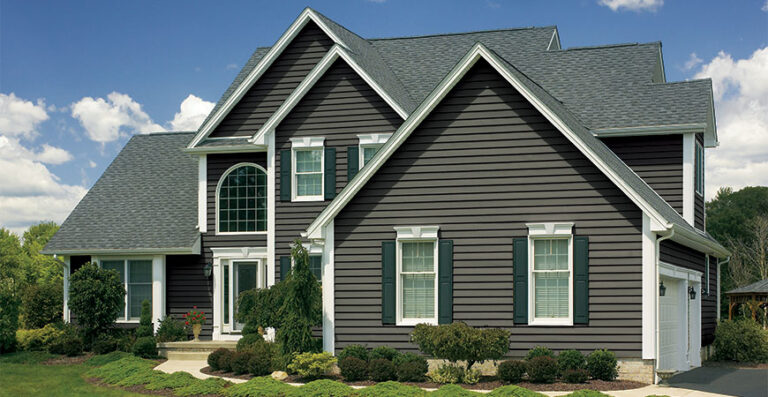
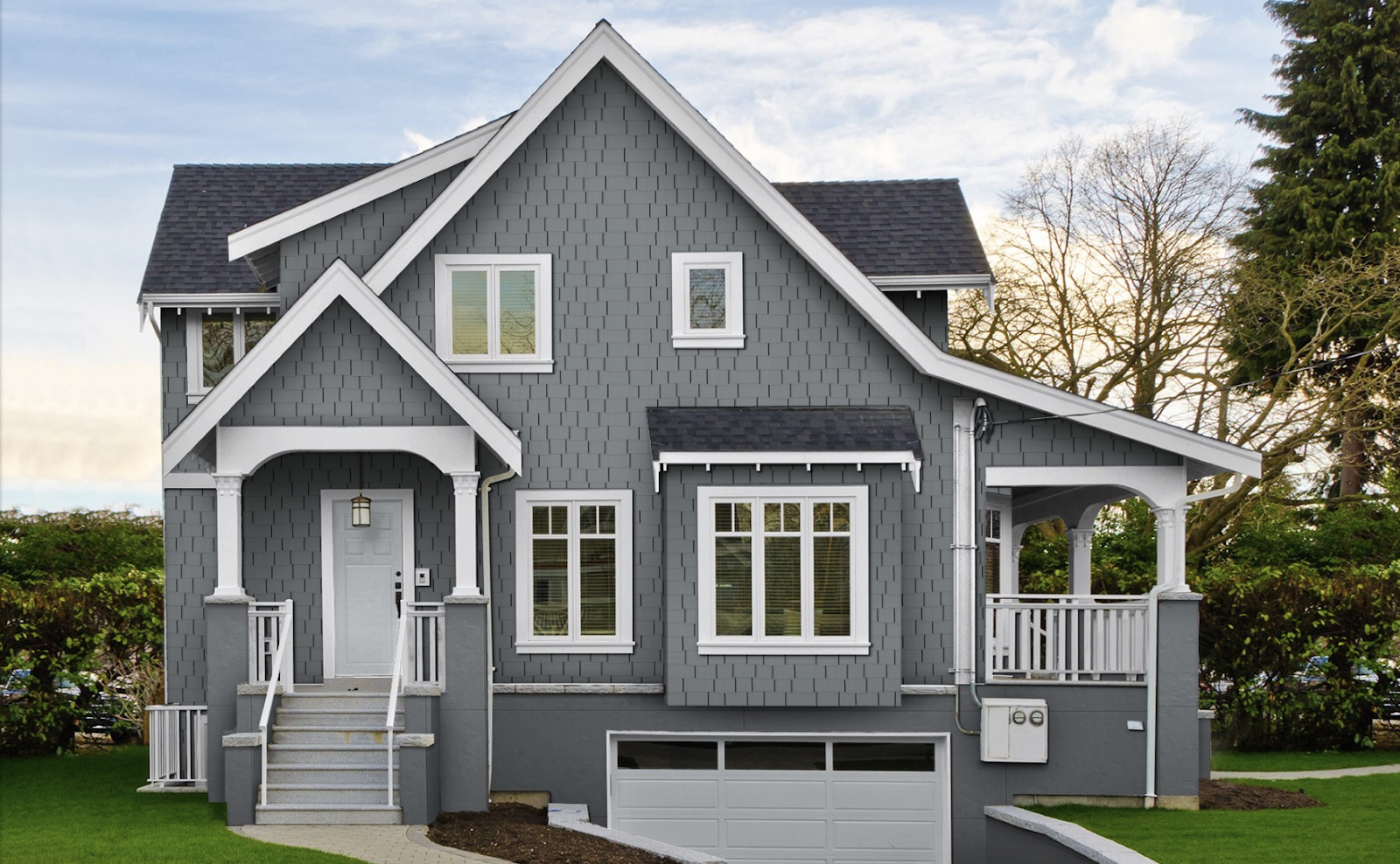
The right house siding color should complement other elements of your home’s design, such as roofing, landscaping, and windows. It is essential to think about how your siding color will blend with or contrast with these features. For example, a neutral color like light gray can pair beautifully with white trim, creating an elegant contrast that is both modern and timeless.
Key Factors to Consider When Choosing House Siding Color
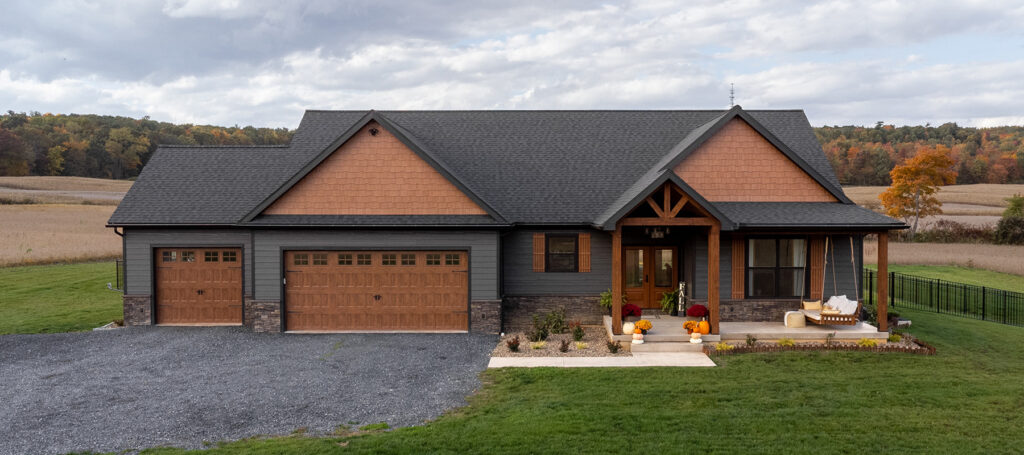
Selecting the right siding color for your home requires careful thought. It’s not just about aesthetics; functionality and environmental conditions also play a vital role. Let’s look at some of the critical factors that should guide your decision-making process.
Climate and Environmental Conditions
Climate is one of the most overlooked factors when selecting siding colors, but it plays a significant role in determining the best choice. Darker colors tend to absorb more heat, which can be beneficial in colder climates as it helps to keep your home warmer in winter. On the other hand, lighter colors reflect sunlight, helping keep your home cooler in hotter climates.
Architectural Style
Your home’s architectural style should guide the selection of siding color. For example, a Victorian-style home might look best with a rich, deep color like dark green or red, while a contemporary home might look better with lighter, more neutral colors such as gray, white, or beige.
Trending House Siding Colors: What’s Popular in 2025?
While personal taste plays a significant role in selecting house siding color, it’s always helpful to stay updated with current trends. Here are some of the popular house siding color trends for 2025.
Neutral Tones: Gray, Beige, and Taupe
Neutral tones such as gray, beige, and taupe continue to dominate the market. These colors are sophisticated and work well with a wide variety of architectural styles. They also offer flexibility for homeowners who want to experiment with different trim or accent colors.
Real-World Example:
James Hardie ColorPlus® Technology offers a range of neutral siding colors like “Cobblestone” and “Aged Pewter” that are ideal for modern homes. These hues provide a polished yet understated look, making them popular choices among homeowners seeking a clean, contemporary appearance.
Bold and Rich Colors: Charcoal and Navy Blue
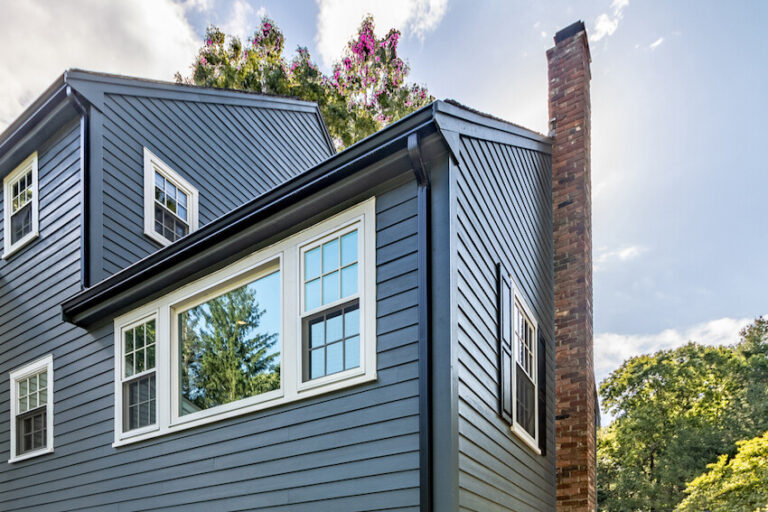
Bold colors like charcoal, navy blue, and deep green are gaining popularity. These shades add drama and sophistication to the exterior of a home. They also make a bold statement without being overwhelming, especially when paired with lighter trim colors.
Real-World Example:
LP SmartSide® offers a variety of bold siding colors, including “Midnight Blue” and “Sable Brown.” These deep tones are perfect for homeowners who want their home to stand out from the crowd while maintaining a refined appearance.
Practical Benefits of Choosing the Right Siding Color

Now that we’ve covered some key factors and trends, let’s explore the practical advantages of selecting the right siding color. The right choice can enhance both the functionality and beauty of your home.
Energy Efficiency
Certain siding colors can have a significant impact on your home’s energy efficiency. Darker colors tend to absorb more sunlight, which can warm up your home in the winter months, reducing heating costs. Conversely, lighter colors reflect sunlight, helping to maintain a cooler indoor temperature during the summer and reducing the need for air conditioning.
Real-World Example:
CertainTeed Cedar Impressions® offers a variety of siding colors with reflective properties designed to keep your home comfortable throughout the year. Their light-toned colors help with energy conservation, reducing utility costs.
Low Maintenance and Durability
The right color choice can also affect how often you need to maintain or repaint your siding. Lighter colors tend to show dirt and stains less than darker colors, making them easier to maintain over time. Additionally, some manufacturers offer siding products with enhanced weather-resistant coatings, ensuring that your siding retains its appearance for longer.
Real-World Example:
Mastic Vinyl Siding offers low-maintenance options in various colors, including muted shades like “Silver Birch” and “Autumn Yellow.” These colors are designed to resist fading and stay pristine over the long term.
Use Cases: How Different Siding Colors Solve Common Problems
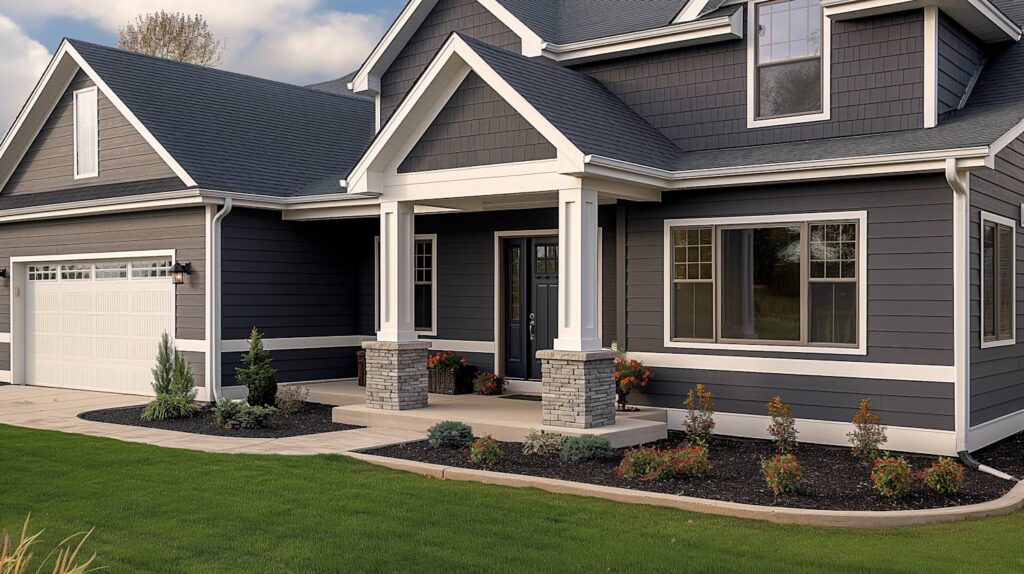
Choosing a siding color is not just about aesthetics; it can also address various practical problems related to maintenance, insulation, and durability. Here are a few use cases where the right siding color can offer real-world solutions.
1. Dark Siding Colors in Cold Climates
In colder regions, dark-colored siding can be particularly beneficial. Darker shades absorb more heat from the sun, keeping your home warmer during the winter months. This reduces heating costs and can improve the energy efficiency of your home.
Example:
In areas like the Northeast or Upper Midwest, homeowners often choose deep reds or rich browns to help absorb heat, creating a cozier indoor environment during harsh winters.
2. Light Siding Colors in Hotter Climates
On the other hand, lighter siding colors are ideal for homes in hot climates. Light colors such as white, light gray, or pale yellow reflect the sun’s rays, helping to keep the interior of your home cooler and reduce air conditioning needs.
Example:
In desert regions, homes often feature light-colored siding materials like “Blizzard White” or “Sandy Beach” to reflect heat and keep homes cool despite high outdoor temperatures.
FAQ: Frequently Asked Questions
1. What are the best siding colors for increasing curb appeal?
Neutral tones like light gray, beige, and taupe are generally the best choices for enhancing curb appeal. These colors work well with various architectural styles and can give your home a clean, modern look.
2. How does siding color affect the energy efficiency of my home?
Darker colors absorb heat, making them more suitable for colder climates, while lighter colors reflect heat, helping to keep your home cooler in warmer climates. This can lead to energy savings by reducing heating or cooling costs.
3. Do certain siding colors require more maintenance than others?
Yes, darker colors tend to show dirt, dust, and stains more easily than lighter colors. However, modern coatings on siding materials can make maintenance easier, even for darker colors.