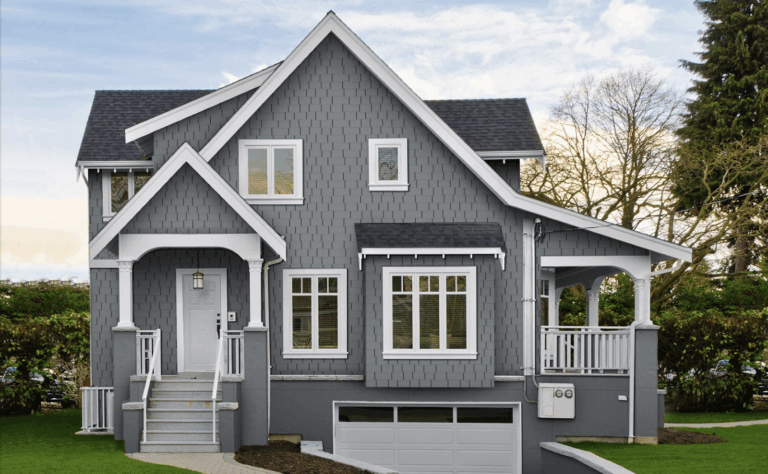
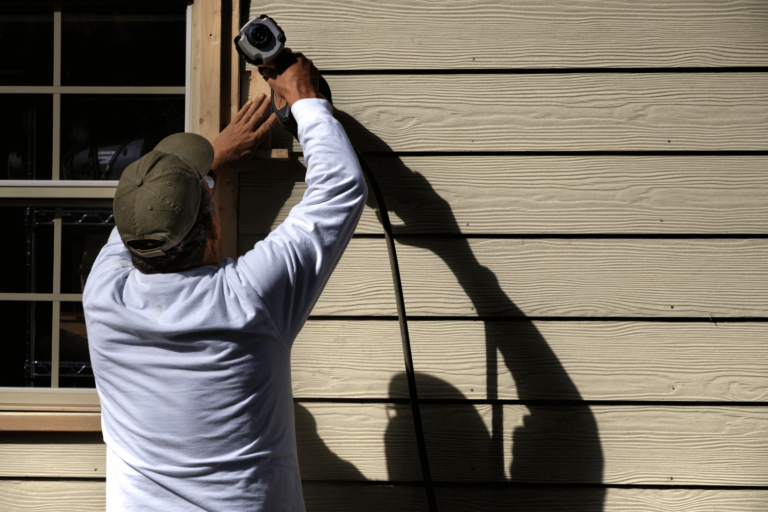
Insulated Siding Panels Modern Solutions for Energy-Efficient Homes in 2025
Insulated siding panels are becoming an increasingly popular choice for homeowners who want both aesthetic appeal and practical performance. Unlike traditional siding, insulated panels integrate a layer of rigid foam insulation directly into the siding material. This combination provides superior energy efficiency, soundproofing, and durability.
In modern home design, insulated siding panels are valued not only for their ability to reduce heating and cooling costs but also for their versatility. They are available in a wide range of textures, finishes, and colors, making them suitable for both contemporary and classic architectural styles.
What Makes Insulated Siding Panels Unique?
Insulated siding panels stand out because they merge two functions into one system: exterior protection and thermal insulation. This integration reduces the need for additional wall insulation, which is particularly beneficial for retrofitting older homes.
The foam backing behind the siding helps eliminate thermal bridging, which occurs when heat escapes through studs and other framing materials. By addressing this issue, insulated siding ensures a more consistent indoor climate while reducing strain on HVAC systems.
Types of Insulated Siding Panels
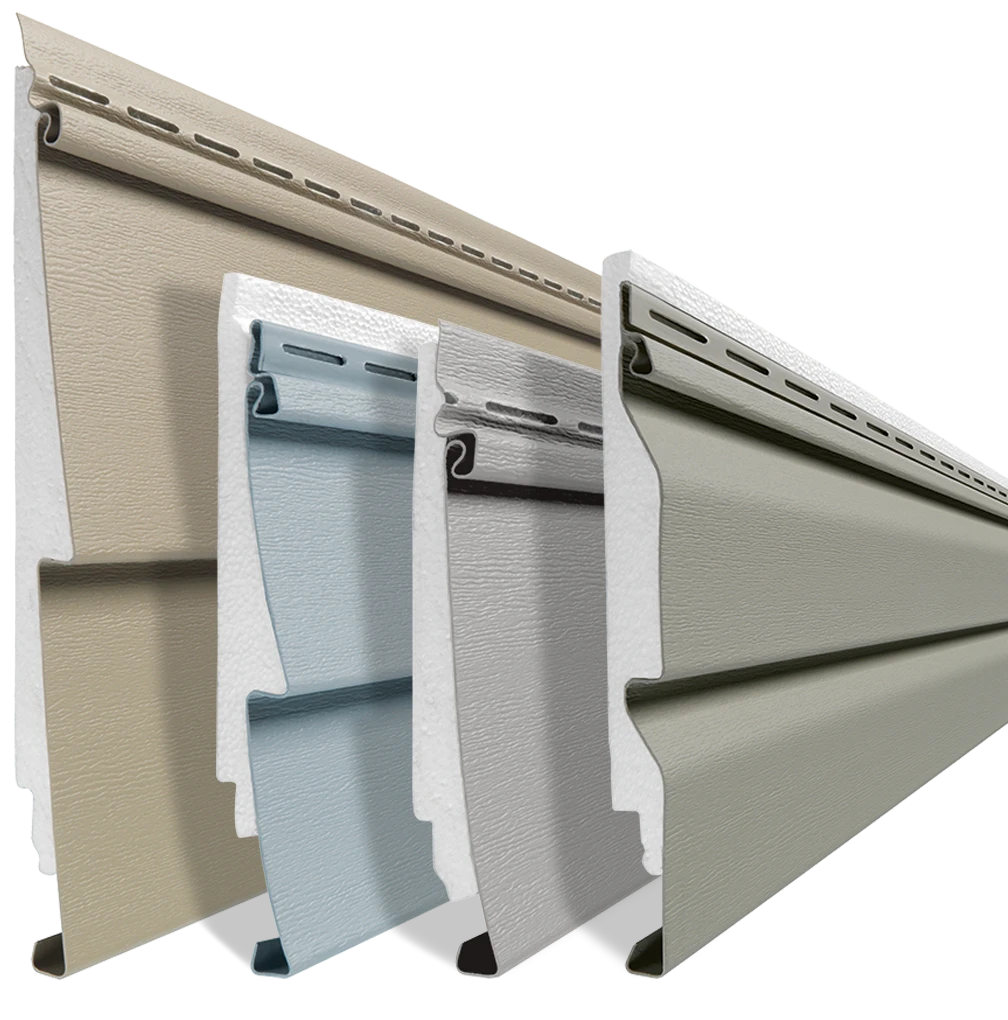
Insulated Vinyl Siding
Insulated vinyl siding is one of the most widely used options because of its affordability and ease of installation. The foam backing gives it a firmer appearance than standard vinyl siding, helping it resist impacts while enhancing its thermal performance.
In practice, insulated vinyl siding is often used in suburban homes where homeowners want low maintenance, energy efficiency, and a wide selection of colors. Its popularity continues to grow as manufacturers refine textures to closely mimic wood or stone finishes.
Fiber Cement Insulated Panels
Fiber cement insulated panels combine the durability of cement with the efficiency of integrated insulation. These panels are resistant to fire, insects, and rot, making them a long-lasting solution. The added insulation layer boosts energy performance, particularly in climates with extreme temperatures.
Architects often recommend fiber cement insulated panels for modern homes that prioritize both resilience and sleek design. Their ability to be painted in virtually any color also makes them versatile for custom exteriors.
Metal Insulated Panels
Metal insulated panels, typically made of steel or aluminum, provide a clean and modern look. These panels consist of a metal skin with an insulated foam core, delivering high thermal resistance and superior structural strength.
They are especially common in contemporary residential and commercial projects where a minimalist and industrial style is desired. Beyond aesthetics, they also excel in durability and weather resistance, making them ideal for harsh climates.
Benefits of Using Insulated Siding Panels
One of the greatest advantages of insulated siding panels is energy savings. By minimizing heat transfer, these panels reduce reliance on heating and cooling systems, cutting down on utility costs over time. This is particularly beneficial in regions with long winters or hot summers.
Another important benefit is improved durability. The foam backing reinforces the siding, making it less prone to warping or cracking. Insulated siding panels also act as a sound barrier, dampening noise from outside. For homeowners in busy neighborhoods, this adds an extra layer of comfort.
In addition, insulated siding panels contribute to sustainability. By lowering energy use, they help reduce a home’s carbon footprint. Many modern insulated siding options are also manufactured with eco-friendly materials, aligning with the growing demand for sustainable construction practices.
Real-World Examples of Insulated Siding Panels
1. CraneBoard Solid Core Insulated Siding
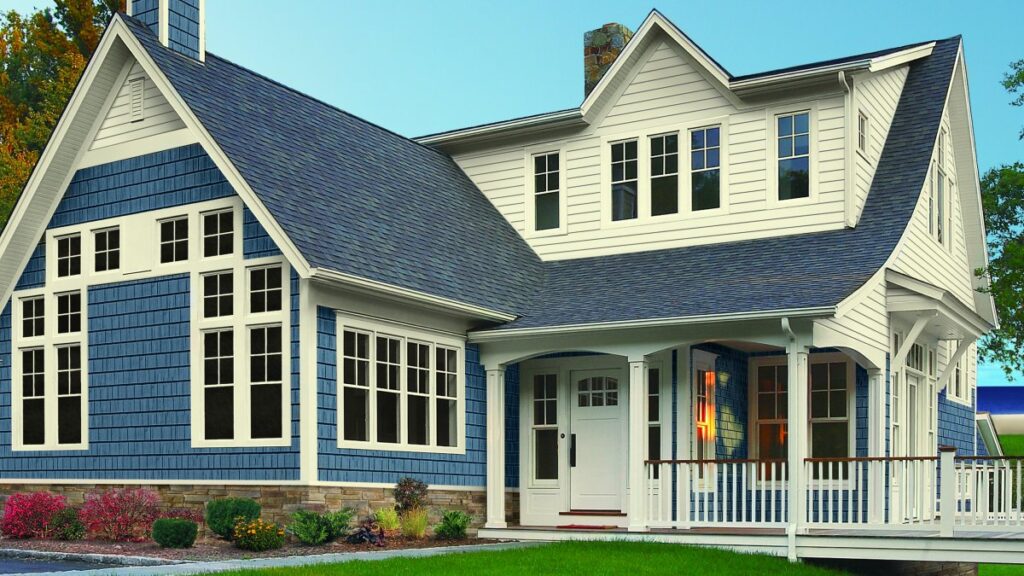
CraneBoard is a well-known insulated vinyl siding system that provides a solid core of insulation for enhanced energy performance. It is designed to mimic the look of traditional wood siding while offering better resistance to dents and harsh weather.
Homeowners who choose CraneBoard often praise its combination of curb appeal and practicality. It is frequently used in residential remodels where energy efficiency upgrades are a priority.
2. Alside Prodigy Insulated Siding
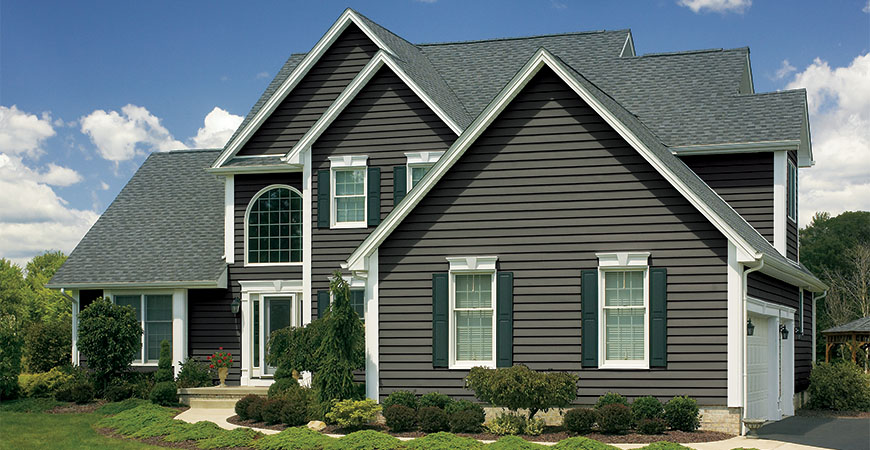
Alside Prodigy is another strong example of insulated vinyl siding with advanced thermal insulation. Its continuous insulation layer helps achieve a tighter building envelope, reducing energy loss through exterior walls.
Real-world applications include suburban family homes where long-term savings and maintenance-free exteriors are highly valued. The variety of finishes allows customization to fit different architectural styles.
3. Kingspan Metal Insulated Panels
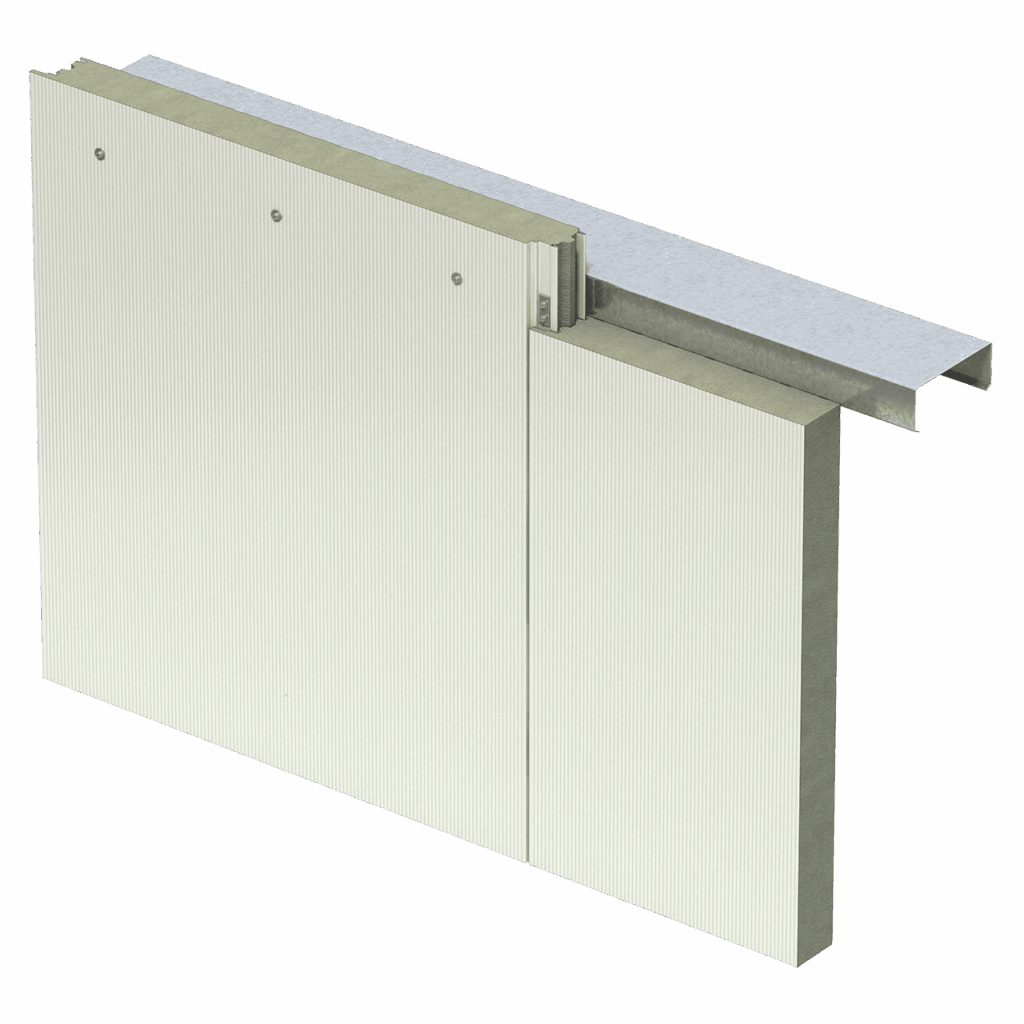
Kingspan offers insulated metal panel systems widely used in both residential and commercial construction. These panels provide exceptional thermal resistance and are available in a wide range of modern finishes.
Architects often select Kingspan products for high-performance modern homes that emphasize sustainability and contemporary aesthetics. Their durability makes them an investment for long-term structural integrity.
Use Cases of Insulated Siding Panels
Retrofitting Older Homes
Older houses often lack sufficient insulation, leading to high energy bills and discomfort during extreme temperatures. Insulated siding panels offer a cost-effective way to upgrade both the look and efficiency of these homes.
By adding insulation directly to the exterior, homeowners can improve comfort without invasive interior renovations. This makes insulated siding panels an ideal choice for energy-conscious remodels.
Enhancing Curb Appeal with Modern Design
In addition to performance, transform the appearance of homes. With a wide range of styles-from wood-look finishes to sleek metallic panels-they provide homeowners with options that align with modern design trends.
This versatility allows designers to create exteriors that are not only functional but also visually striking, increasing property value in the process.
Climate-Resilient Construction
For homes in regions with frequent storms, high humidity, or extreme temperature swings, a strong line of defense is needed. Their reinforced construction resists impact, while the insulation helps maintain stable indoor conditions.
This combination of protection and efficiency makes them especially useful for coastal homes, mountain cabins, or urban residences exposed to constant environmental stress.
Frequently Asked Questions
Q1. How long do insulated siding panels last?
High-quality insulated siding panels can last 30 years or more, depending on the material and climate conditions. Proper maintenance extends their lifespan further.
Q2. Are insulated siding panels worth the investment?
Yes, they reduce energy bills, increase home value, and improve comfort. While the initial cost may be higher than standard siding, the long-term benefits often outweigh the upfront expense.
Q3. Can insulated siding panels be used on any type of home?
Most homes can benefit from it, whether during new construction or as part of a renovation. They are adaptable to various architectural styles and climates.