Minimalist Home Exterior Designs Modern Ideas, Benefits, and Real-World Applications
Minimalism in home design emphasizes simplicity, clean lines, and functional spaces. In contemporary architecture, minimalist home exterior designs focus on reducing visual clutter, using high-quality materials, and creating harmonious relationships between indoor and outdoor spaces.
This article provides an in-depth look at minimalist exteriors, highlighting design trends, benefits, real-world examples, and practical use cases that demonstrate why minimalist architecture continues to grow in popularity.
Understanding Minimalist Home Exteriors
Minimalist home exteriors focus on simplicity and clarity. They often feature flat or low-pitched roofs, uniform materials, and monochromatic color schemes. The emphasis is on proportion, geometry, and natural light, with façades designed to highlight form and function rather than ornamental details.
This style not only creates visually appealing homes but also promotes efficiency, sustainability, and a sense of calm. Clean, uncluttered designs are easier to maintain, energy-efficient, and adaptable to urban and suburban settings alike.
Key Features of Minimalist Home Exterior Designs
Clean Lines and Geometric Forms
Minimalist homes often use rectangular or cubic forms with sharp edges and smooth surfaces. This geometric approach enhances the sense of order and simplicity, creating façades that are elegant yet understated.
The simplicity of the lines allows materials and textures to stand out. For example, concrete, wood, and glass can be highlighted without competing visual elements, enhancing the modern appeal of the exterior.
Use of Neutral and Monochromatic Colors
Color palettes in minimalist exteriors typically revolve around neutral tones such as white, gray, beige, or black. Monochromatic schemes create a cohesive, serene look while allowing architectural details to become focal points.
Neutral colors also enhance natural light reflection, improving interior illumination and contributing to energy efficiency, which aligns with modern sustainability goals.
Integration with Outdoor Spaces
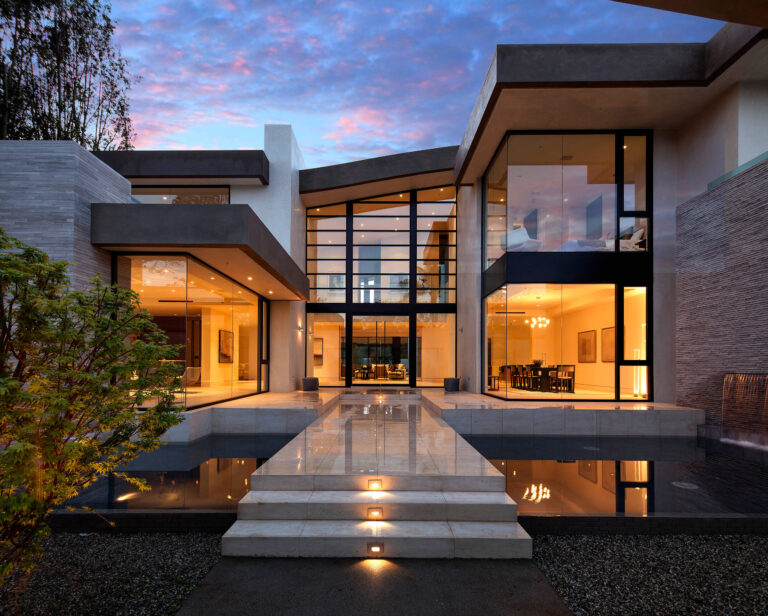
Minimalist designs often incorporate outdoor spaces seamlessly. Large windows, sliding doors, and open terraces create connections between indoor living areas and gardens, patios, or courtyards.
This integration promotes natural ventilation, increases visual space, and encourages outdoor living, enhancing both functionality and aesthetic appeal.
Popular Design Elements in Minimalist Exteriors
Flat Roofs and Open Layouts
Flat roofs are a common feature in minimalist architecture. They complement geometric shapes and allow for rooftop terraces or solar panel installation. Combined with open layouts, these roofs help maximize space and create modern, functional homes.
Flat roofs also simplify construction, reduce material usage, and enhance energy efficiency by accommodating insulation and green roofing options.
Material Selection and Texture
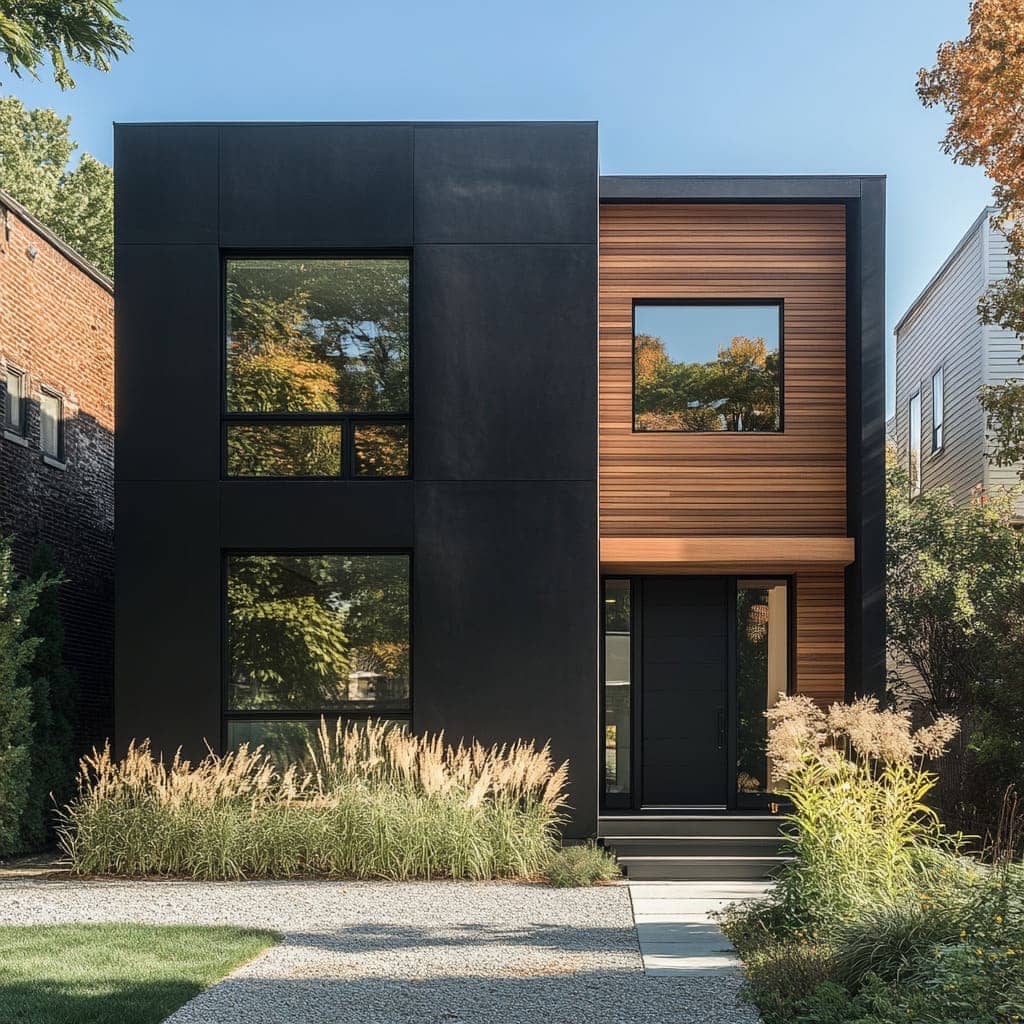
Material choice is crucial in minimalist designs. Smooth concrete, natural wood, metal, and large glass panels are preferred to create visual harmony and texture contrast.
Using high-quality materials ensures durability and low maintenance, reinforcing the minimalist philosophy of efficiency and longevity without sacrificing beauty.
Window Placement and Natural Light
Strategically placed windows allow natural light to penetrate deep into living spaces, reducing the need for artificial lighting and enhancing energy efficiency. Minimalist homes often use floor-to-ceiling glass walls or narrow vertical windows to frame views while maintaining privacy.
This approach also emphasizes the relationship between interior and exterior spaces, a key principle of modern minimalist architecture.
Real-World Examples of Minimalist Home Exterior Designs
1. Modern Cubic Minimalist House

This design features pure cubic shapes, white walls, and minimal detailing. Large glass panels create visual transparency, connecting the interior to the exterior garden.
The relevance of this example lies in demonstrating how simplicity and geometric precision can achieve elegance without relying on ornamental elements, making it a timeless design solution.
2. Concrete and Wood Minimalist House
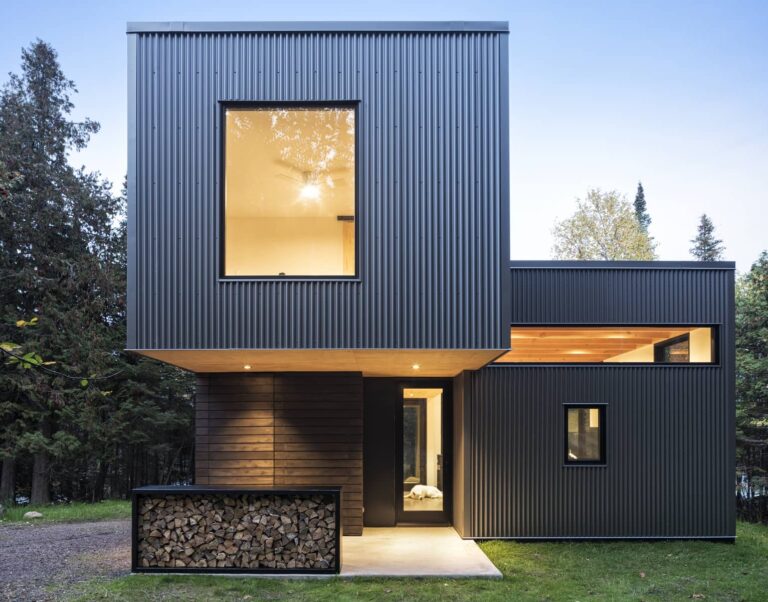
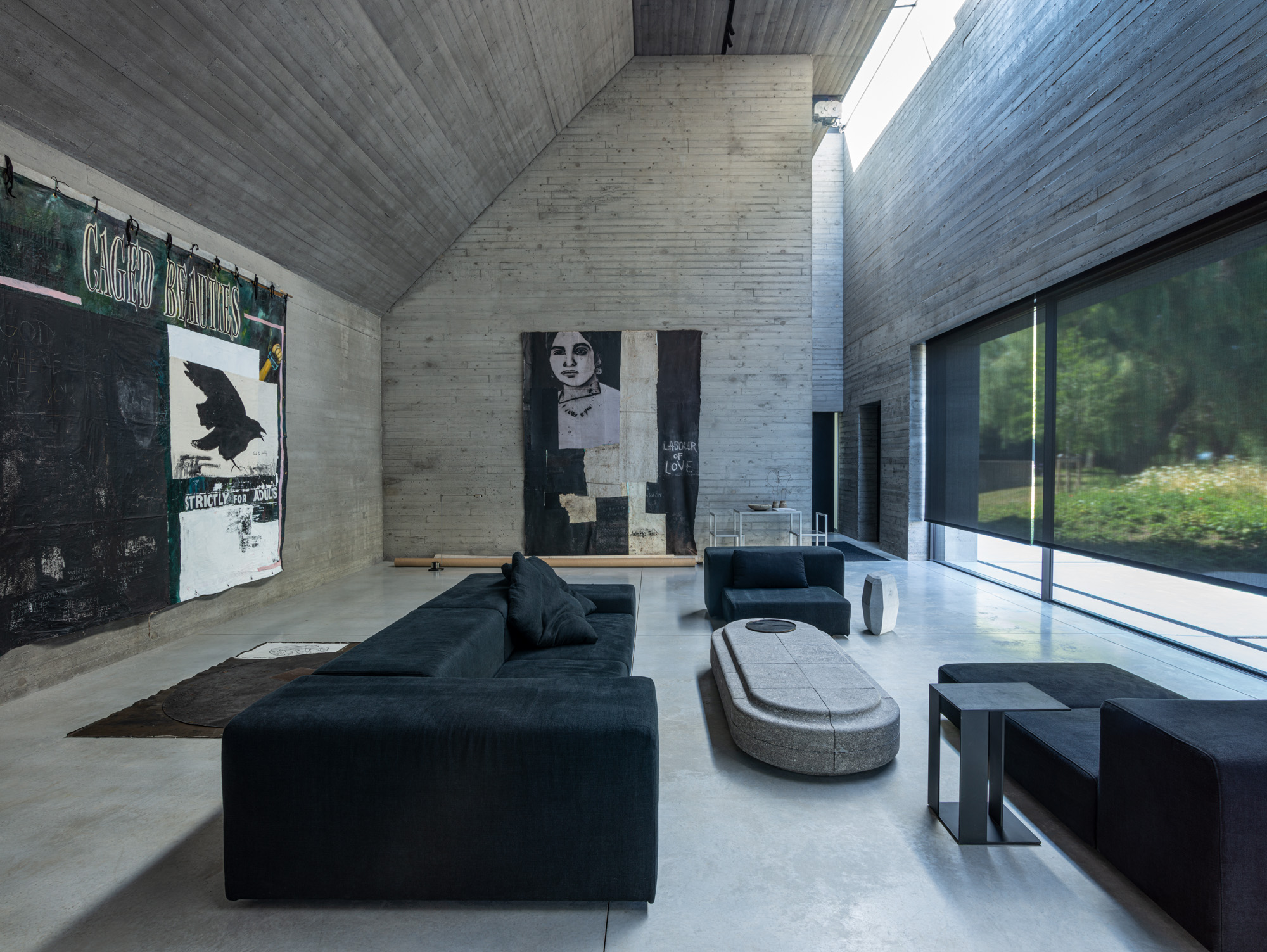
Exposed concrete provides a modern, industrial feel, while wooden accents add warmth and natural texture. This combination enhances the minimalist aesthetic by balancing raw materials with subtle refinement.
This approach is relevant for homeowners seeking a modern yet inviting appearance, showing how material contrast adds depth to minimalist designs.
3. Monochromatic Urban Minimalist Home
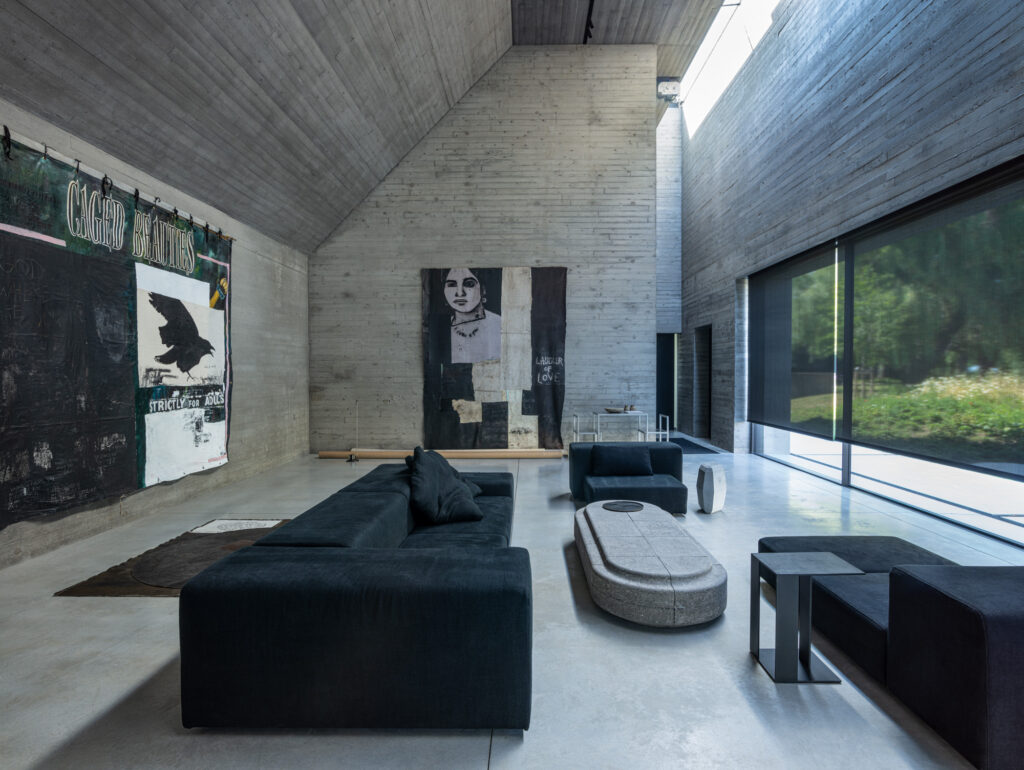
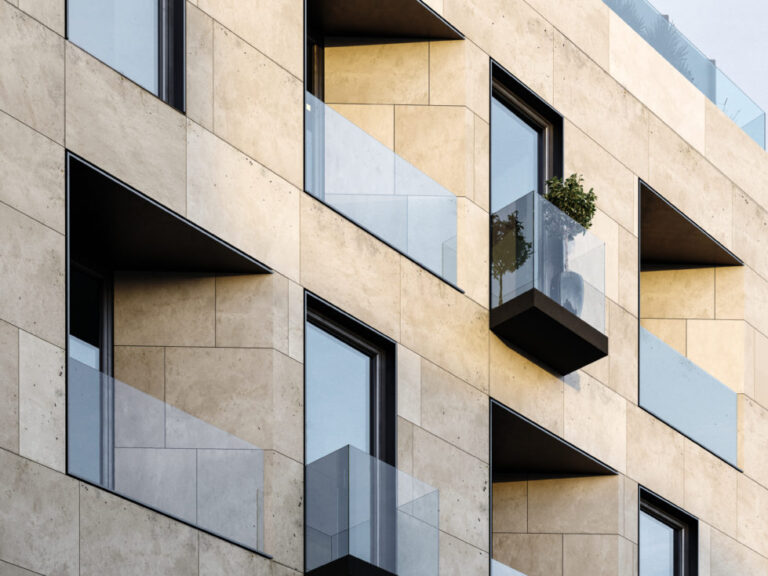
In urban environments, monochromatic designs help buildings blend into cityscapes while maintaining a modern aesthetic. The façade’s simplicity allows natural light to be maximized, reducing energy consumption.
The relevance is in applying minimalist principles to high-density areas where space, light, and visual calm are essential.
4. Minimalist Eco-Friendly Home
Eco-friendly minimalist homes combine simple forms with sustainable technology. Solar panels, green roofing, and energy-efficient windows enhance performance while maintaining clean, uncluttered exteriors.
This example is relevant for homeowners prioritizing sustainability without sacrificing minimalist aesthetics. It shows how modern design can meet ecological goals.
5. Minimalist Home with Integrated Outdoor Spaces

This design emphasizes indoor-outdoor living, with terraces, open patios, and large sliding doors that blur the line between interior and exterior spaces.
The relevance is in promoting a lifestyle that values simplicity, natural light, and functional outdoor spaces, addressing the desire for modern, connected living.
Benefits of Minimalist Home Exterior Designs
Simplicity and Elegance
Minimalist exteriors achieve timeless elegance with clean lines and uncluttered forms, creating visually calming and sophisticated homes.
Energy Efficiency
By emphasizing natural light, efficient materials, and functional layouts, minimalist designs contribute to lower energy consumption and sustainability.
Durability and Low Maintenance
Minimalist homes often use high-quality materials like concrete, steel, and glass that require minimal upkeep while maintaining a modern appearance for decades.
Enhanced Indoor-Outdoor Connection
Seamless integration with outdoor spaces improves ventilation, natural lighting, and lifestyle functionality, promoting well-being and comfort.
Practical Use Cases of Minimalist Home Exterior Designs
Urban Residences
Minimalist homes in cities maximize space, light, and privacy. Clean façades reduce visual noise and improve energy efficiency in dense environments.
Suburban Family Homes
Open layouts, terraces, and natural materials make minimalist suburban homes functional, stylish, and easy to maintain.
Sustainable Housing
Eco-friendly minimalist homes integrate solar panels, green roofs, and high-performance materials to create energy-efficient, modern residences.
Renovations and Extensions
Minimalist principles allow for seamless upgrades to older homes, providing contemporary aesthetics and improved functionality without extensive structural changes.
Frequently Asked Questions
Q1: Are minimalist home exterior designs expensive to build?
Minimalist designs often require high-quality materials, but the simplicity of forms and layouts can reduce labor and construction complexity, balancing overall costs.
Q2: Can minimalist designs be adapted to all climates?
Yes. Material selection, insulation, window placement, and shading can be tailored to different climates while maintaining a minimalist aesthetic.
Q3: Do minimalist homes require more maintenance?
No. Minimalist exteriors typically use durable materials such as concrete, steel, and glass, which require minimal upkeep compared to traditional wood or ornate façades.