Modern House Exterior Cladding in 2025 Design Trends, Materials, and Benefits
Modern house exterior cladding has become an essential element in architectural design. Beyond its role in protecting a home’s structure, cladding defines the overall aesthetic, influences energy efficiency, and adds long-term durability. Homeowners today are not only looking for functionality but also innovative designs that reflect modern lifestyles.
With advancements in materials and technology, cladding now goes beyond traditional brick or wood. Options like fiber cement, metal panels, and composite systems allow homeowners to create sleek, low-maintenance, and sustainable exteriors. Understanding these choices is key to achieving the perfect balance of beauty and practicality.
Why Exterior Cladding Matters for Modern Homes
The exterior of a house serves as the first impression, and cladding is at the heart of this presentation. Modern cladding solutions enhance curb appeal, protect against weather, and ensure structural integrity. They also allow for creative design freedom, enabling architects and homeowners to experiment with textures, colors, and finishes.
Additionally, modern cladding materials often incorporate insulation layers or energy-efficient properties. This means they contribute not only to the aesthetic but also to reduced energy consumption, lower bills, and improved comfort inside the home. For families seeking long-term investment value, cladding is one of the most impactful upgrades.
Popular Materials for Modern House Exterior Cladding
Fiber Cement Cladding
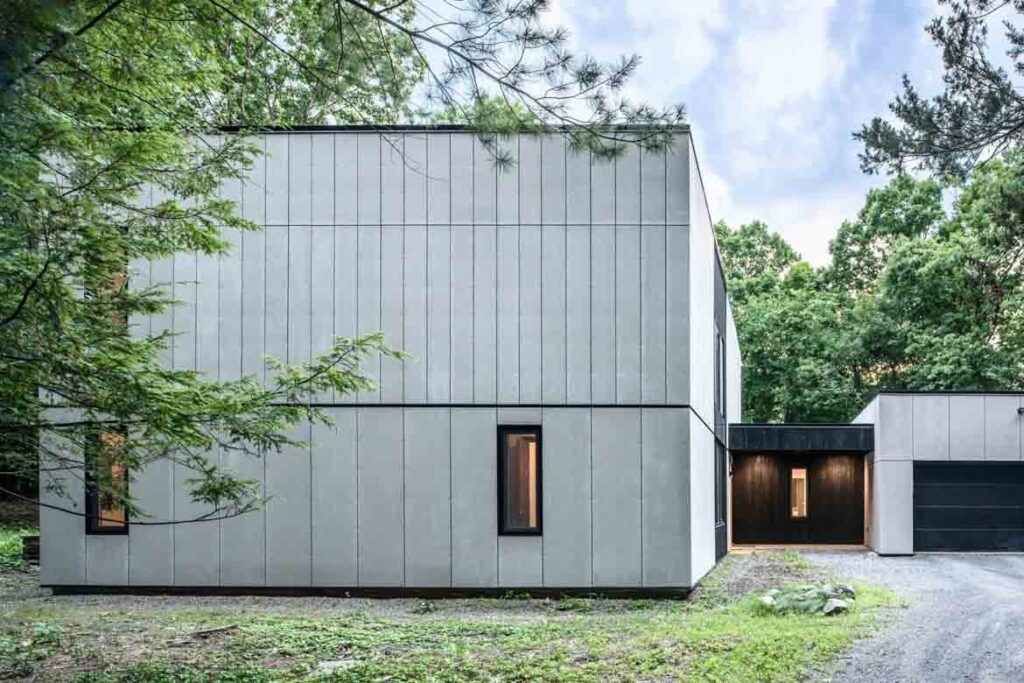
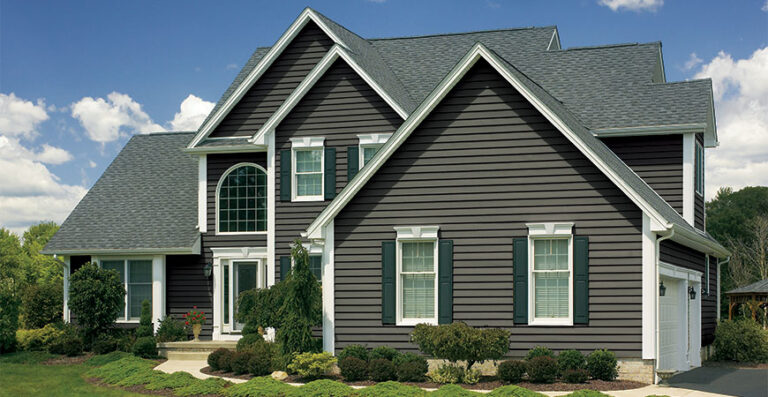
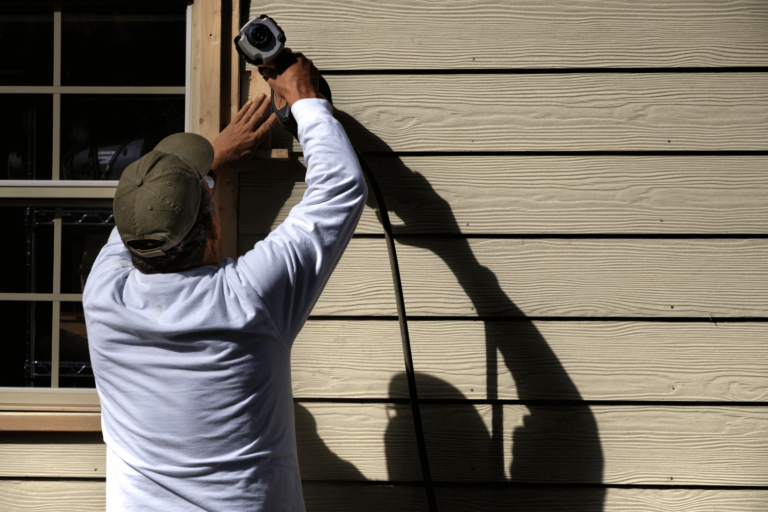
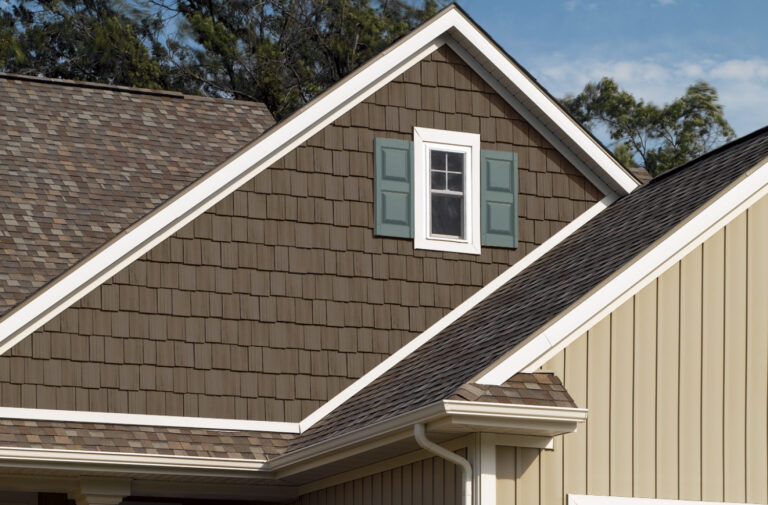
Fiber cement cladding has gained popularity due to its combination of durability and design flexibility. Made from cement, sand, and cellulose fibers, it mimics the look of wood or stone while being resistant to moisture, fire, and insects. Its longevity makes it a preferred choice for homeowners who want a low-maintenance yet stylish solution.
Real-world applications show fiber cement cladding in homes that combine sleek horizontal lines with neutral tones, achieving a timeless modern look. Its versatility also allows it to be painted in custom shades, making it a highly adaptable material.
Metal Panel Cladding
Metal panels, particularly aluminum and steel, are synonymous with contemporary architecture. They provide a clean, industrial aesthetic while being lightweight and highly durable. Metal cladding is often chosen for minimalist modern homes or urban residences where bold lines and reflective finishes stand out.
In practice, aluminum cladding is resistant to rust and offers a wide variety of colors and coatings. Steel, meanwhile, can deliver either polished or weathered finishes, such as corten steel, for a rustic yet modern appeal. These panels are often used to accentuate specific sections of a façade, creating striking visual contrasts.
Natural Wood Cladding
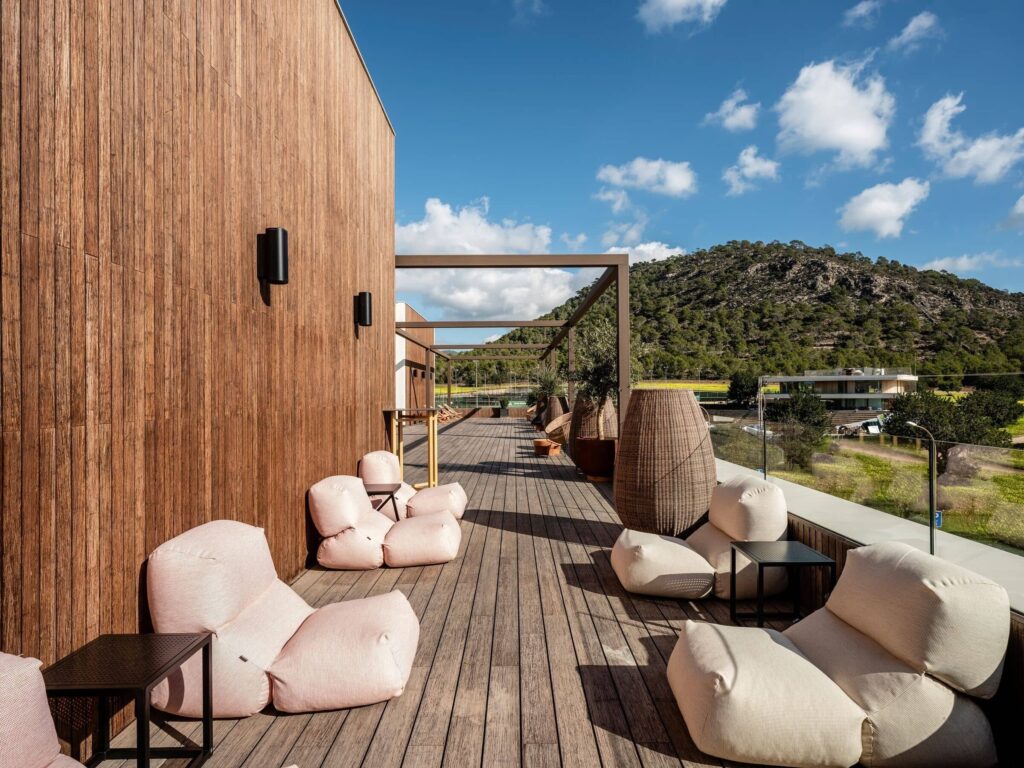
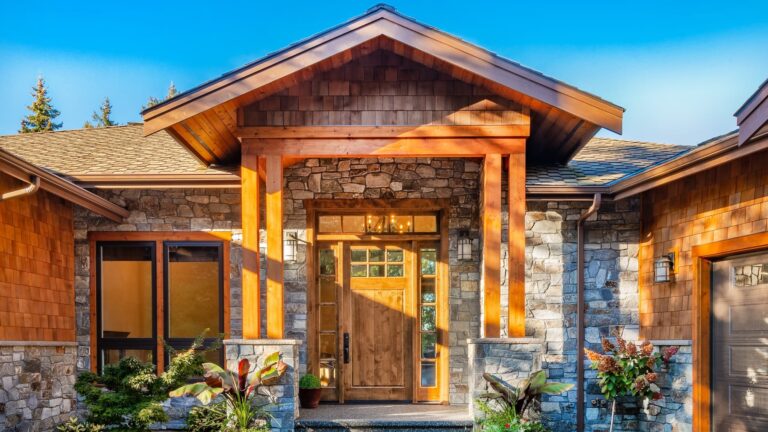
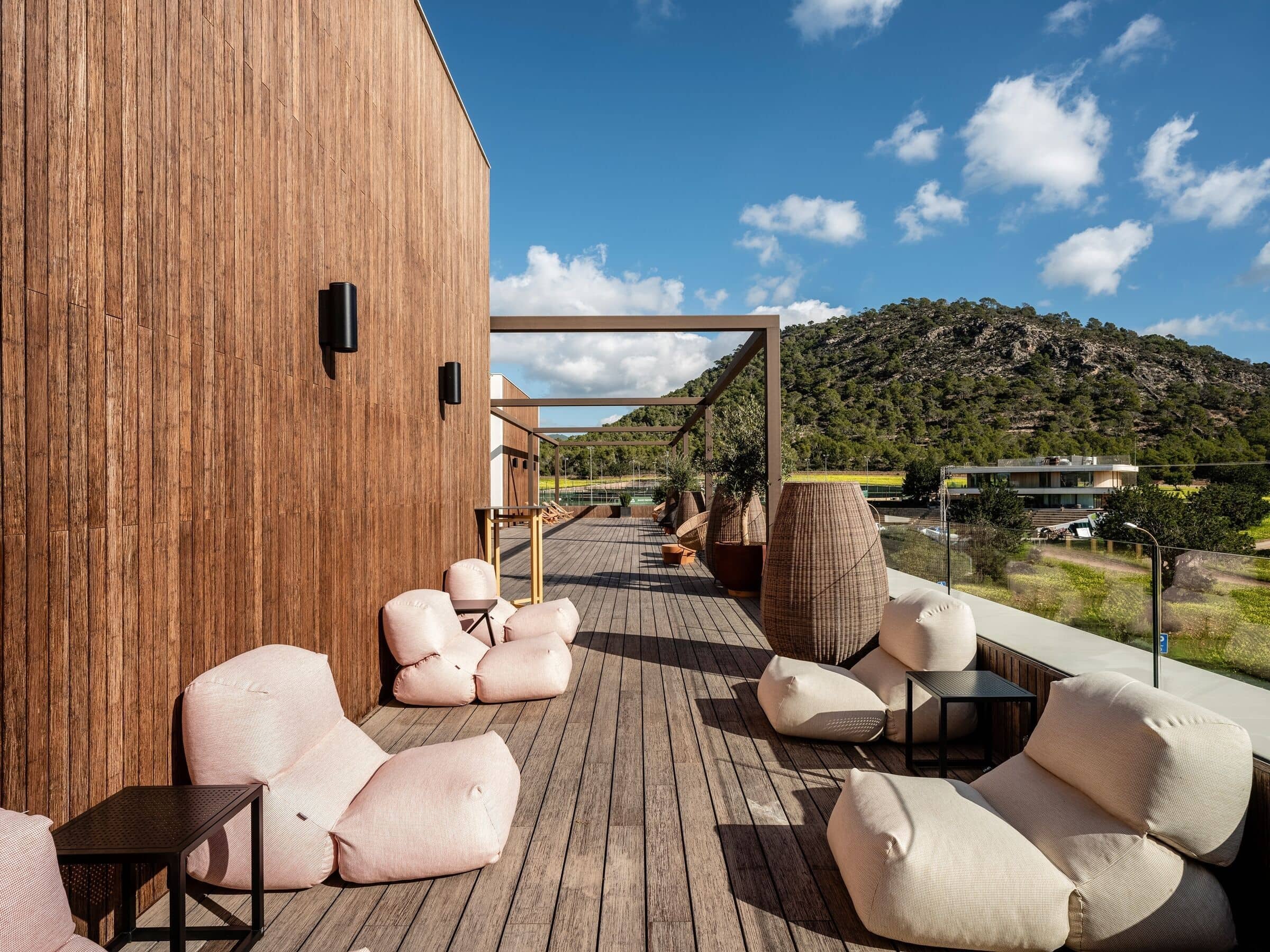
Wood cladding remains a classic choice but has evolved with modern treatments and installation techniques. Cedar, redwood, and thermally modified wood are especially popular in modern cladding projects. These woods are prized for their rich tones and ability to blend natural warmth with sleek architectural lines.
While wood requires maintenance, modern finishes and sealants have improved its resistance to rot and insects. Many modern homes use wood cladding in combination with glass and metal, creating a sophisticated balance of natural and industrial elements.
Stone Veneer Cladding
Stone veneer offers the timeless look of natural stone but with less weight and easier installation. For modern homes, it is often used as an accent material, paired with fiber cement or metal panels. Stone veneer provides depth and texture, adding character without overwhelming the clean lines of contemporary design.
Homeowners appreciate stone veneer because it blends traditional beauty with modern practicality. Whether used on entryways, base walls, or entire sections of a façade, it elevates a home’s architectural identity.
Benefits of Modern Exterior Cladding Technology
The adoption of advanced cladding technologies brings multiple benefits. One of the key advantages is durability. Many modern cladding systems are engineered to withstand extreme weather conditions, from heavy rain to strong sunlight, ensuring longer-lasting protection for the home.
Another significant benefit is energy efficiency. Cladding systems with built-in insulation reduce heat transfer, leading to more stable indoor temperatures. This not only enhances comfort but also lowers energy bills over time. Additionally, modern cladding requires minimal upkeep compared to traditional materials, saving homeowners time and money on maintenance.
Real-World Examples of Modern House Exterior Cladding
James Hardie Fiber Cement Panels
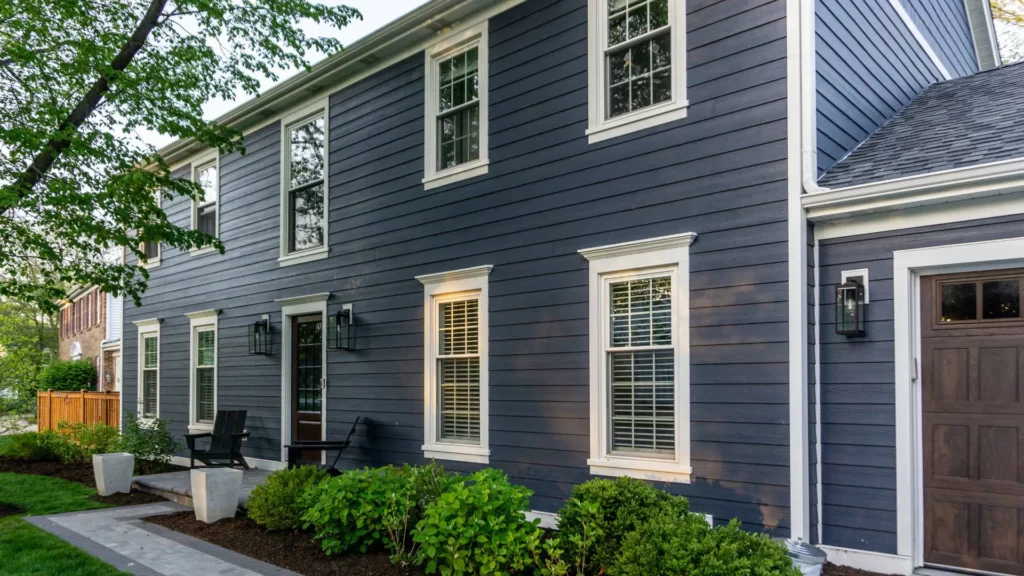
James Hardie is one of the most recognized brands in fiber cement cladding. Their panels are engineered for durability and come in a wide range of textures and finishes. In real-world use, these panels are seen on modern homes that require both resilience and aesthetic appeal.
Homeowners often choose James Hardie products because they withstand moisture and termites while offering flexibility in design. This makes them ideal for both urban and suburban modern houses.
Alucobond Aluminum Composite Panels
Alucobond is a leading example of metal composite panels widely used in modern architecture. These lightweight aluminum panels provide a sleek finish that is perfect for contemporary façades. They are also available in a variety of colors and can be shaped for creative designs.
Architects favor Alucobond for projects where innovation and boldness are desired. From residential homes to commercial buildings, these panels set a futuristic tone while ensuring lasting durability.
Western Red Cedar Cladding
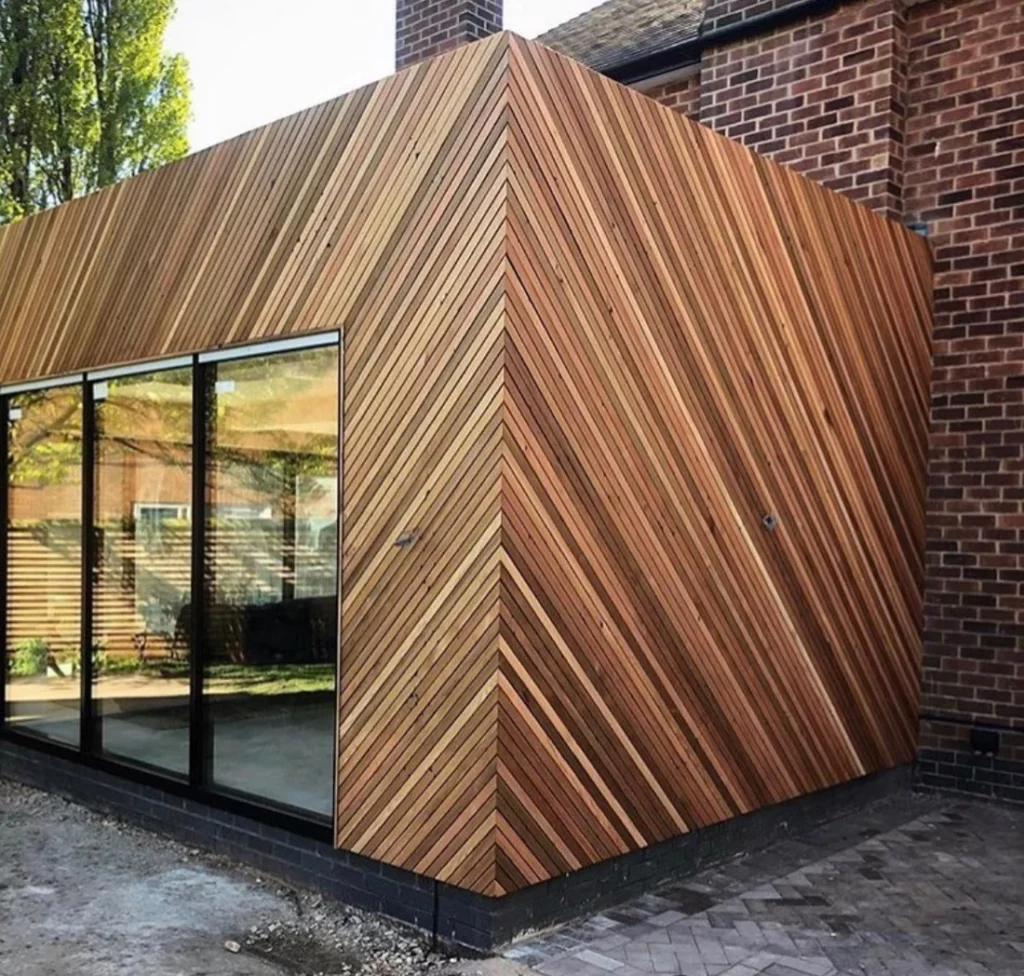
Western Red Cedar is a premium wood cladding option that has been used in numerous modern home projects. Its natural beauty, distinctive grain, and warm tones make it an excellent choice for those who want to add organic elements to a modern design.
In practice, cedar is often combined with large glass windows and steel features, creating a striking balance. Although it requires care, many homeowners value its authenticity and timeless appeal.
Use Cases of Modern Exterior Cladding
Enhancing Curb Appeal
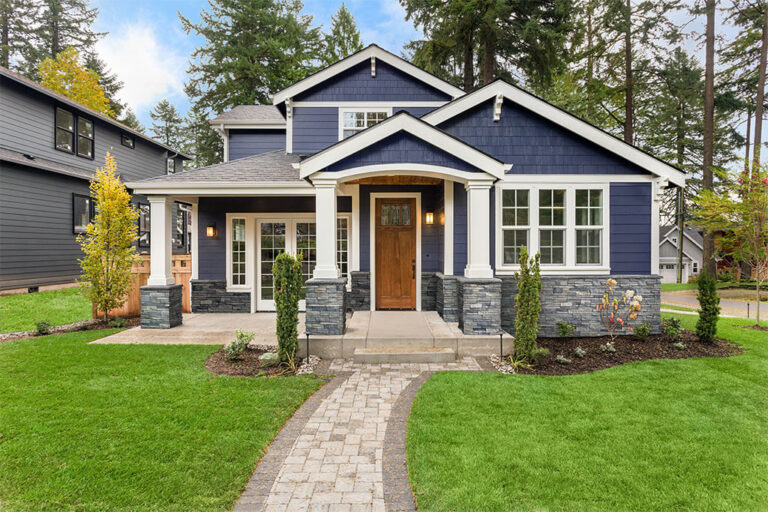
Cladding is one of the most powerful ways to improve a home’s visual impact. Modern designs often combine multiple cladding materials to create contrast and depth. This approach makes homes look distinctive and increases their market value.
For instance, pairing metal panels with wood accents highlights the geometry of a modern home, while fiber cement panels provide uniformity and sleekness.
Improving Energy Performance
Modern cladding solutions often include insulated layers that minimize heat transfer. This is particularly useful in regions with extreme temperatures, helping homeowners maintain comfortable interiors. In turn, energy efficiency translates into reduced heating and cooling expenses.
By choosing the right cladding system, homeowners can achieve both an attractive façade and tangible long-term savings.
Protecting Against Weather Elements
Cladding serves as a shield for the structural walls of a home. Modern cladding systems resist moisture, UV rays, and strong winds, ensuring the house remains structurally sound for decades. This is especially critical for homes in coastal or storm-prone regions.
Such protection not only reduces repair costs but also maintains the home’s value over time.
Frequently Asked Questions
Q1. What is the most durable modern cladding material?
Fiber cement and metal panels are considered among the most durable options. They withstand harsh weather, resist pests, and require less maintenance compared to natural wood.
Q2. Can modern cladding increase home value?
Yes, high-quality cladding significantly improves curb appeal, energy efficiency, and structural protection, all of which positively impact property value.
Q3. Is wood cladding still suitable for modern homes?
Absolutely. With proper treatment and maintenance, wood cladding remains a popular choice for modern designs. It adds warmth and contrast to contemporary exteriors when combined with other materials.