Modern House Exterior Design Complete Guide with Trends and Examples for 2025
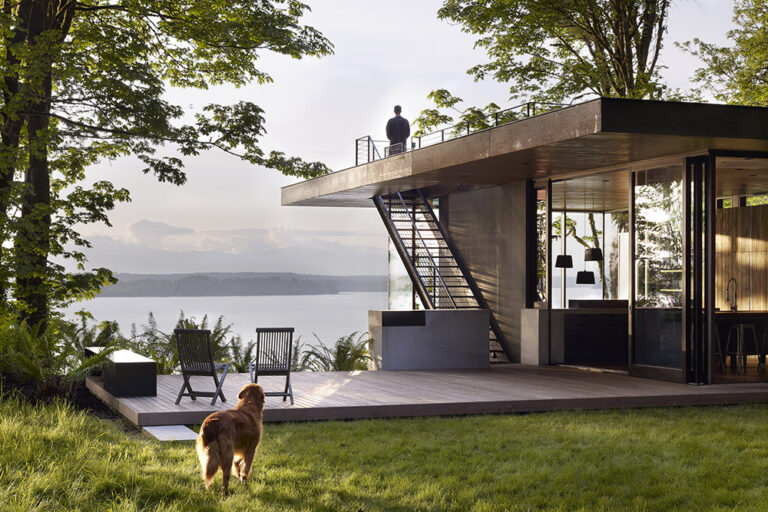
Modern house exterior design is more than just how a property looks from the outside-it represents lifestyle, personality, and even the integration of sustainability. Unlike traditional styles, modern exteriors emphasize clean lines, minimalist aesthetics, natural materials, and the seamless blending of indoor and outdoor spaces.
As homeowners and architects push for innovative solutions, exterior design has transformed from a simple facade into a carefully curated experience. A well-designed exterior improves curb appeal, increases property value, and sets the tone for the entire home environment.
Key Characteristics of Modern Exterior Design
Modern house exteriors follow a set of design principles that focus on function and aesthetics. Some of the most noticeable characteristics include:
Clean Lines and Geometric Shapes
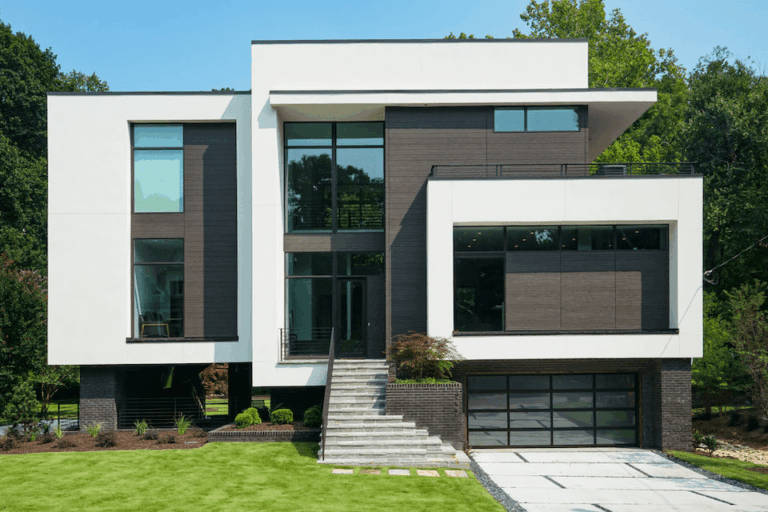
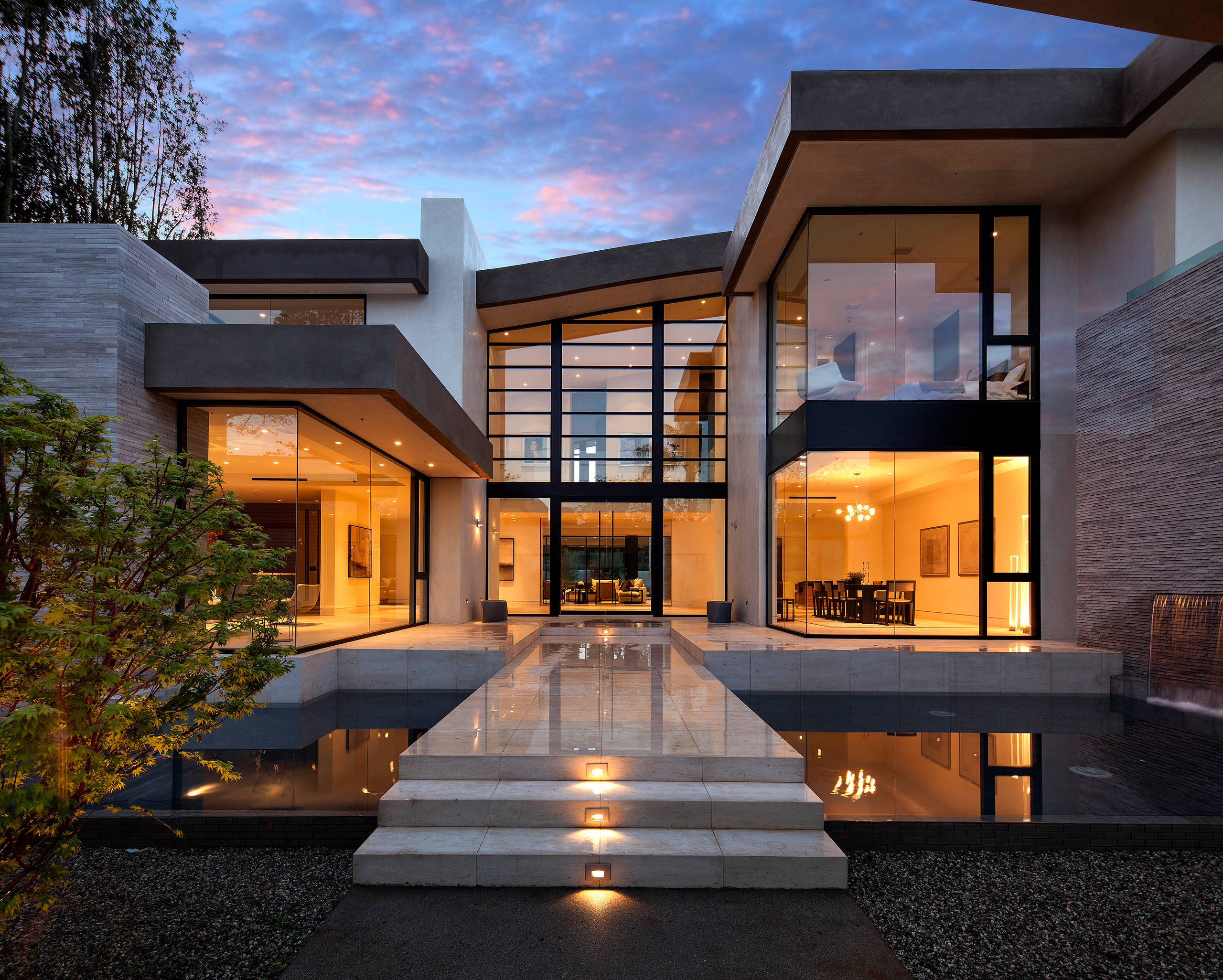
Modern exteriors often feature flat roofs, boxy forms, and sharp angles. These clean geometries give homes a sleek, sophisticated, and uncluttered look. The simplicity of the shapes allows other design elements-like windows, materials, and landscaping shine.
This approach also makes construction more efficient, as fewer unnecessary elements are used. It embodies the “less is more” philosophy that defines modern architecture.
Integration of Natural Materials
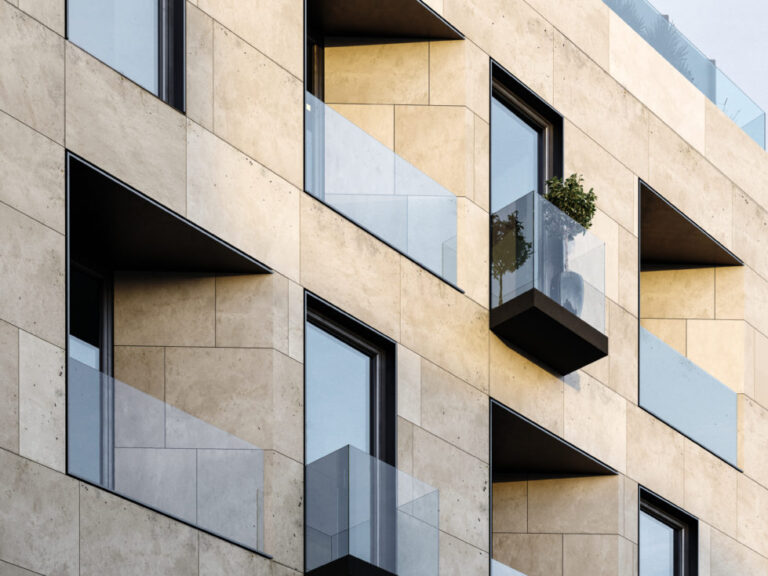
Wood, stone, glass, and steel are commonly used in modern home exteriors. These materials not only add texture and warmth but also ensure durability. For example, wood cladding provides an organic touch, while steel accents deliver an industrial edge.
Natural materials also create a stronger connection between the home and its surroundings, blending indoor living with the outdoor environment seamlessly.
Modern Exterior Color Palettes
Colors play a significant role in defining modern house exterior design.
Neutral Tones with Bold Accents
Neutral shades such as white, gray, and black are often used as the base. However, homeowners now incorporate bold accent colors, such as deep blues or earthy greens, to create focal points and add personality.
These accents may appear on front doors, window frames, or even entire wall sections, enhancing the home’s uniqueness without overwhelming the minimal aesthetic.
Monochrome Minimalism
A fully monochromatic design, often using shades of gray or off-white, creates a timeless and elegant look. This approach highlights the structure and geometry of the house while maintaining a calming visual flow.
The Role of Technology in Exterior Design
Modern house exterior design is not limited to materials and shapes. Technology plays a major role in redefining how we build and interact with our homes.
Energy-Efficient Solutions
LED lighting systems, solar panels, and smart insulation techniques make modern homes both beautiful and environmentally friendly. These solutions lower energy bills and reduce the home’s carbon footprint.
For example, motion-sensor exterior lights not only enhance security but also conserve energy by only activating when needed.
Smart Integration
Homeowners now integrate smart features into their exteriors. From automated gates and digital door locks to exterior cameras and weather sensors, technology blends seamlessly with design to improve convenience and safety.
This integration ensures that the exterior isn’t just attractive but also functional, catering to modern lifestyles.
Real-World Examples of Modern House Exterior Design
1. Scandinavian-Inspired Wooden Facade
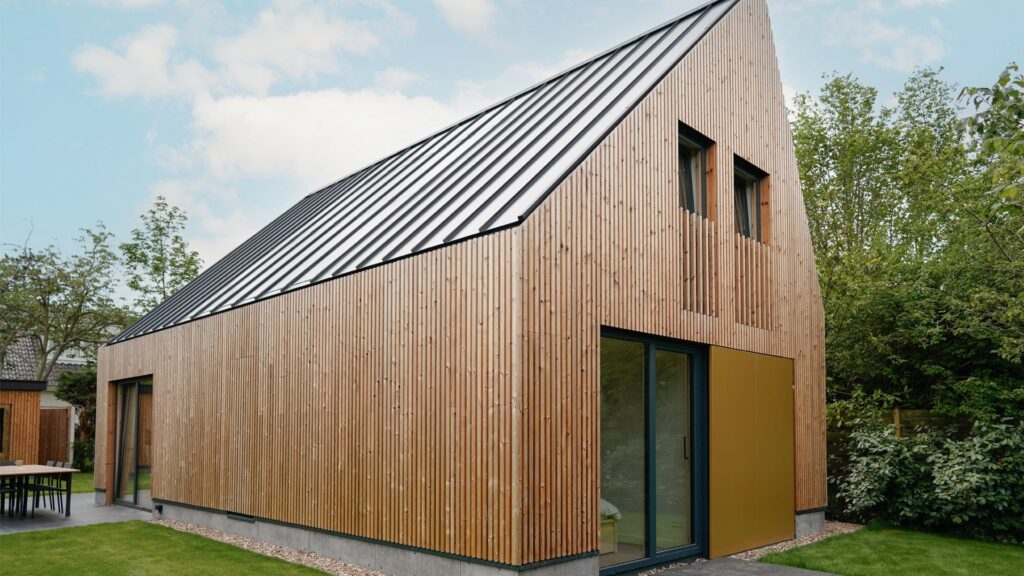
Scandinavian design emphasizes simplicity, warmth, and sustainability. A modern home with a wooden exterior, large glass windows, and flat roofing reflects this approach. The wooden facade connects the home to nature while maintaining sleek, minimalist aesthetics.
This design works well in both urban and rural environments, creating a warm and inviting atmosphere without losing modernity.
2. Industrial Modern with Steel and Concrete
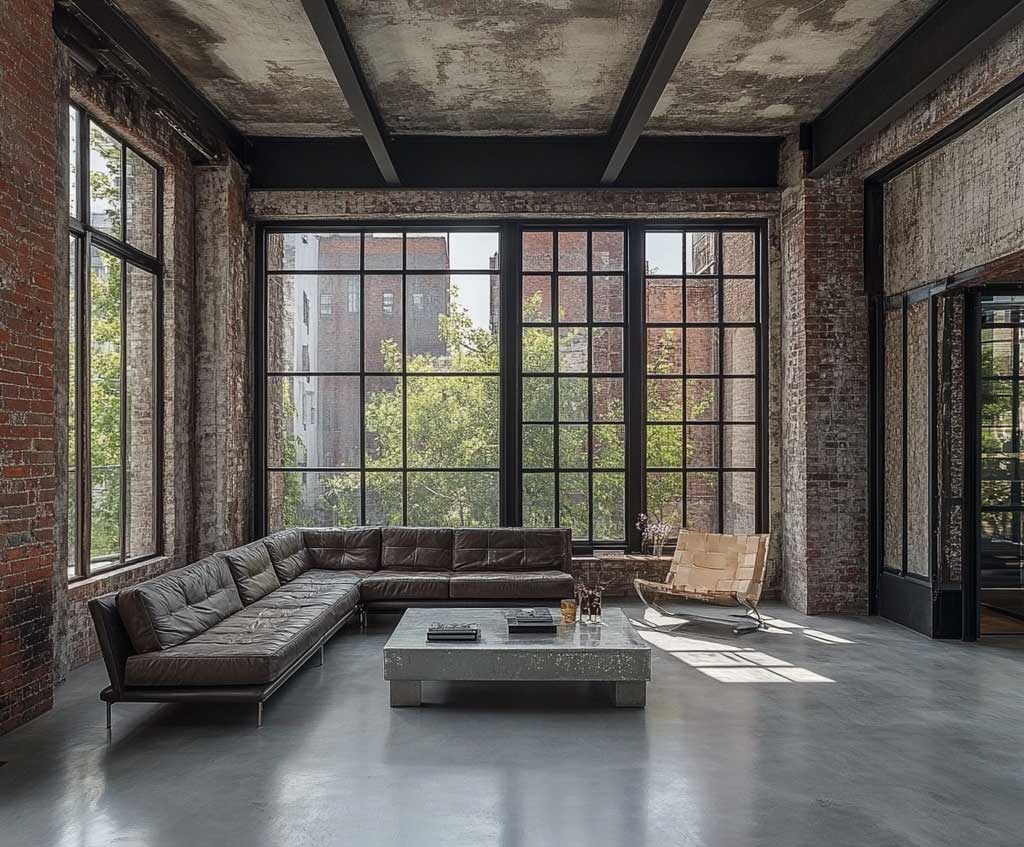
An industrial modern exterior often incorporates exposed concrete walls, steel beams, and oversized glass panels. This style is ideal for urban neighborhoods, offering a bold, edgy, and durable look.
Despite its raw materials, this design exudes elegance and strength, appealing to homeowners who prefer a contemporary urban lifestyle.
3. Minimalist Glass-Heavy Exterior
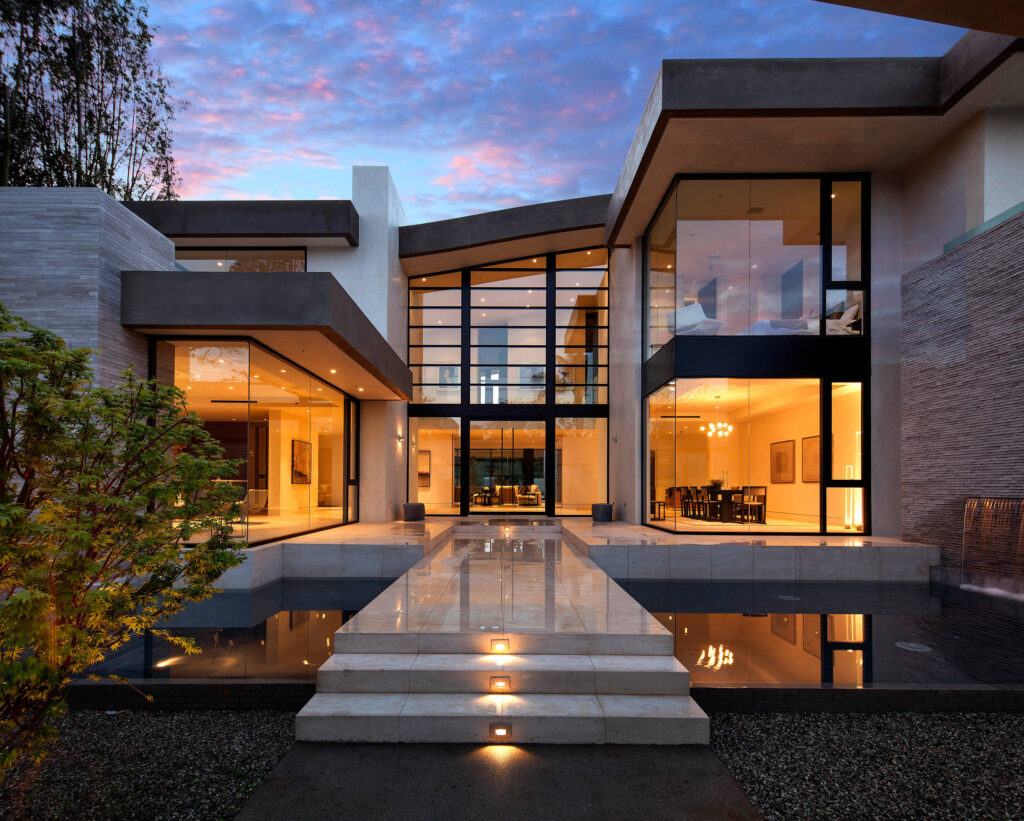
Large glass panels are a hallmark of modern exteriors, promoting natural light and blending indoor and outdoor living. Homes with floor-to-ceiling windows not only appear spacious but also connect the interior directly to gardens or scenic landscapes.
The minimalist approach enhances tranquility and creates a sense of openness, perfect for modern families who value comfort and aesthetics.
4. Contemporary Tropical Design

In tropical climates, modern house exteriors often use wide overhangs, ventilation screens, and natural materials like bamboo or stone. These elements help regulate temperature while maintaining a stylish, modern appearance.
This design balances comfort with energy efficiency, proving that modern exteriors can adapt to different environmental needs.
Benefits of Modern Exterior Design
Enhanced Curb Appeal
Modern designs instantly boost the visual appeal of any property. Sleek lines, balanced proportions, and thoughtful landscaping create a striking first impression. This makes modern exteriors particularly appealing for resale value.
Energy Efficiency and Sustainability
By incorporating eco-friendly materials, solar power, and insulated cladding, modern exteriors make homes energy-efficient. This not only reduces monthly costs but also contributes to environmental conservation.
Flexible Customization
Modern exterior design is versatile. Whether you want a wooden facade for warmth, a glass-heavy layout for openness, or a concrete finish for strength, the design can be tailored to your personal lifestyle and environment.
Practical Use Cases for Modern Exterior Design
Urban Neighborhood Homes
In densely populated cities, modern exteriors maximize space while providing privacy. For example, tall windows with tinted glass allow natural light without compromising security.
Vacation Houses
Modern exteriors designed with natural stone and large windows are ideal for beach houses or mountain cabins. They connect the home to its environment, enhancing relaxation.
Renovations of Old Homes
Modernizing an older home with new cladding, fresh paint, or smart exterior lighting can instantly upgrade its appearance. It solves the problem of outdated design while adding value and comfort.
Frequently Asked Questions
Q1. What are the most popular materials for modern house exteriors?
Popular choices include wood, stone, concrete, glass, and steel. These materials combine durability with aesthetics and often complement one another in layered designs.
Q2. How does modern exterior design improve energy efficiency?
Modern exteriors integrate insulation, solar panels, and energy-saving windows. These features regulate temperature, reduce energy bills, and minimize environmental impact.
Q3. Can modern exterior design work for small houses?
Yes, modern design is highly adaptable. Even small homes can adopt minimalist facades, glass features, and neutral palettes to achieve a stylish and functional appearance.