Stucco vs Fiber Cement Siding Which is the Best Choice for Your Home
Stucco vs Fiber Cement Siding. Choosing the right siding is one of the most important decisions homeowners face when planning renovations or building a new home. Two of the most popular options in 2025 are stucco siding and fiber cement siding. Both materials offer unique advantages, aesthetics, and performance factors that can dramatically influence a home’s appearance, value, and long-term maintenance.
This guide explores the differences, pros, cons, and real-world use cases of stucco vs fiber cement siding so you can make a fully informed decision.
Understanding Stucco Siding
Stucco has been used for centuries as a durable and aesthetic exterior finish. Traditionally, stucco is a mixture of cement, sand, lime, and water, applied in layers over a metal lath or directly on masonry. Modern stucco can also include polymers for improved flexibility and crack resistance.
How Stucco is Applied
Stucco is applied in multiple coats, usually three layers: scratch coat, brown coat, and finish coat. This process creates a solid, textured surface that can last for decades when properly maintained. The final layer can be customized with colors and finishes ranging from smooth to highly textured.
Benefits of Stucco
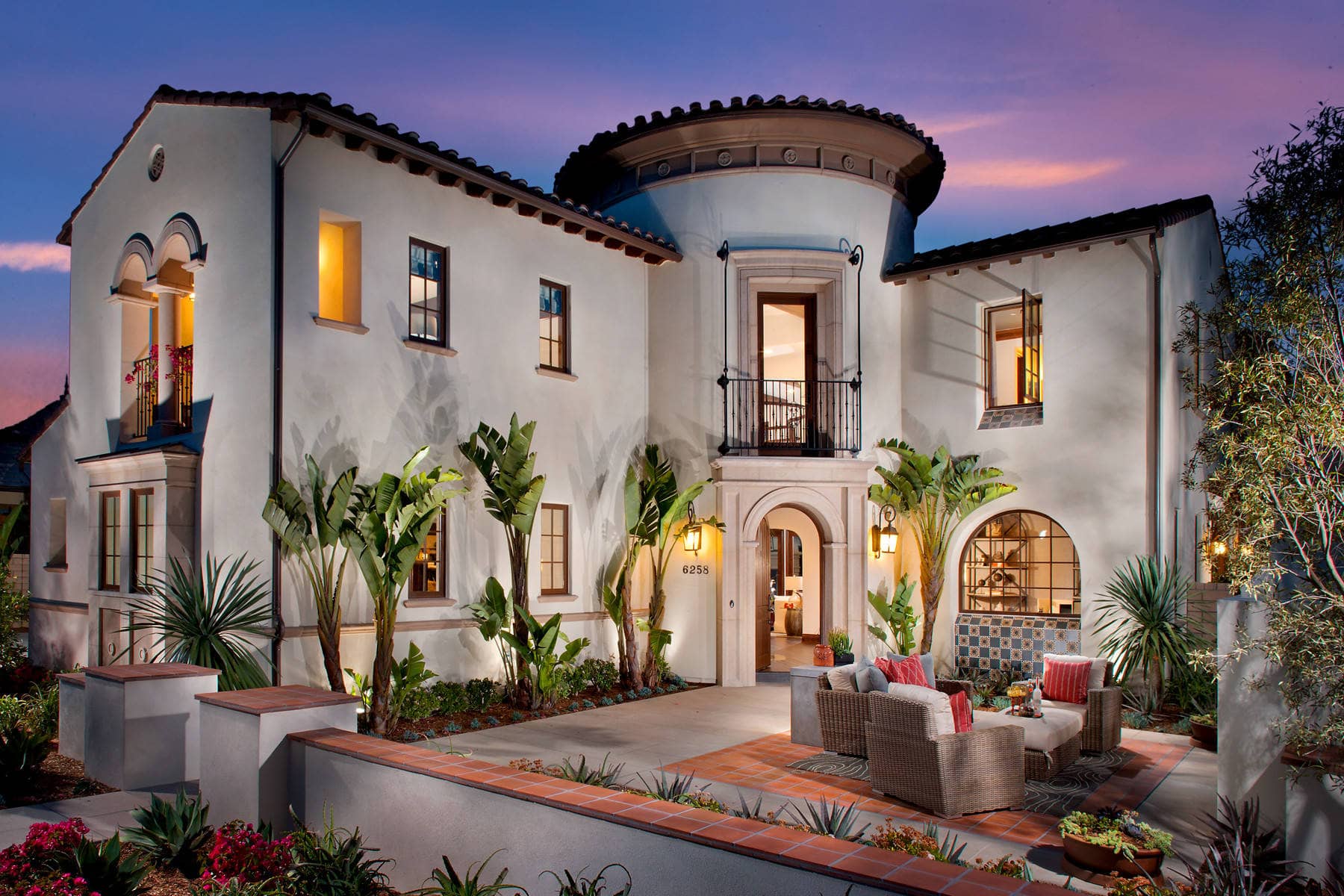
Stucco’s greatest strengths are its versatility and aesthetic appeal. It can complement Mediterranean, Spanish, and modern architectural styles. Stucco vs Fiber Cement Siding. Additionally, stucco provides good insulation properties, helping regulate indoor temperature. Its seamless application also resists pests like termites, which cannot penetrate the solid surface.
Understanding Fiber Cement Siding
Fiber cement siding is a more recent innovation, developed to combine the durability of cement with the flexibility of cellulose fibers. Popularized by manufacturers like James Hardie, it has become one of the most trusted alternatives to wood and vinyl siding.
Composition and Structure
Fiber cement is made from cement, sand, water, and cellulose fibers, which create a strong and resilient material. It is manufactured into planks, panels, or shingles that mimic the look of wood, stone, or stucco while offering enhanced durability.
Benefits of Fiber Cement
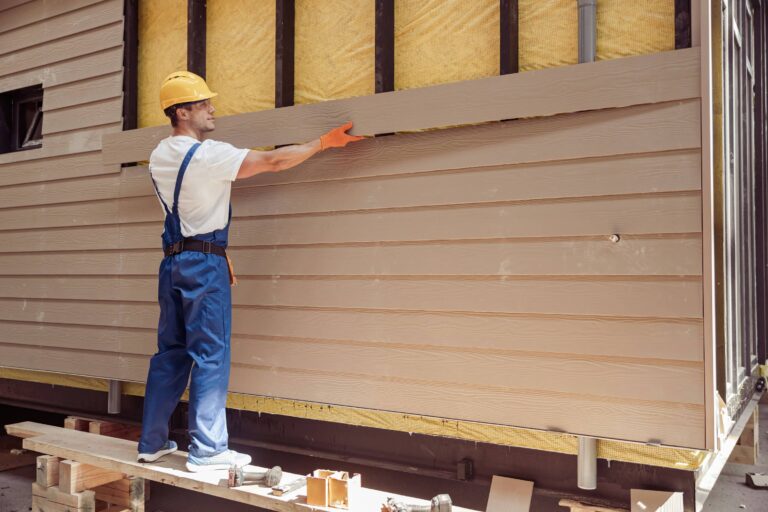
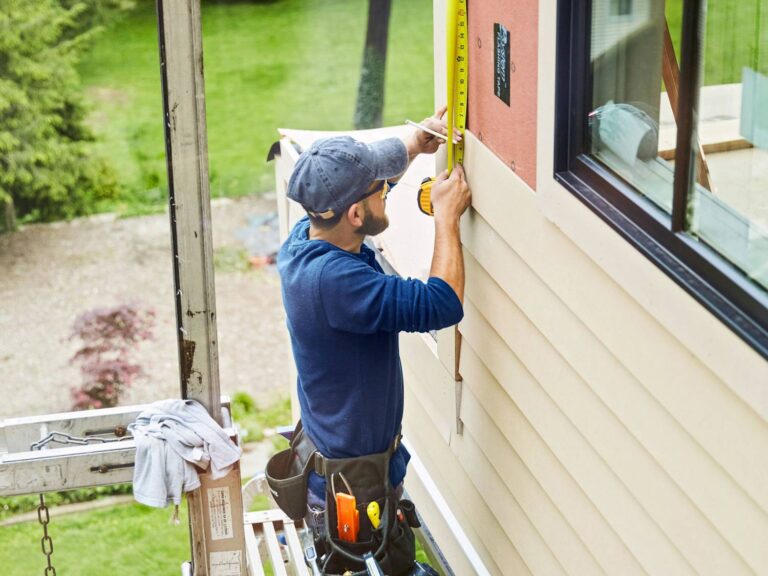
Fiber cement siding is highly resistant to fire, rot, insects, and harsh weather conditions. Unlike stucco, it does not require extensive curing or layering, making installation more straightforward. It also comes pre-finished or primed, allowing homeowners to choose from a wide range of colors and textures.
Key Differences Between Stucco and Fiber Cement Siding
Durability and Lifespan
Stucco is extremely durable in dry climates but can suffer in regions with heavy rainfall or moisture, as it may crack and allow water infiltration. Fiber cement, on the other hand, is engineered to withstand diverse climates, making it more versatile across different environments.
Maintenance Needs
Stucco requires periodic inspections and crack repairs to maintain integrity. Fiber cement requires less frequent maintenance, often limited to repainting every 10-15 years.
Cost Considerations
Stucco tends to have a lower initial cost compared to fiber cement, but repair costs can add up over time if the material is exposed to moisture. Fiber cement has a higher upfront cost but is more cost-effective in the long run due to reduced maintenance.
Aesthetic Appeal
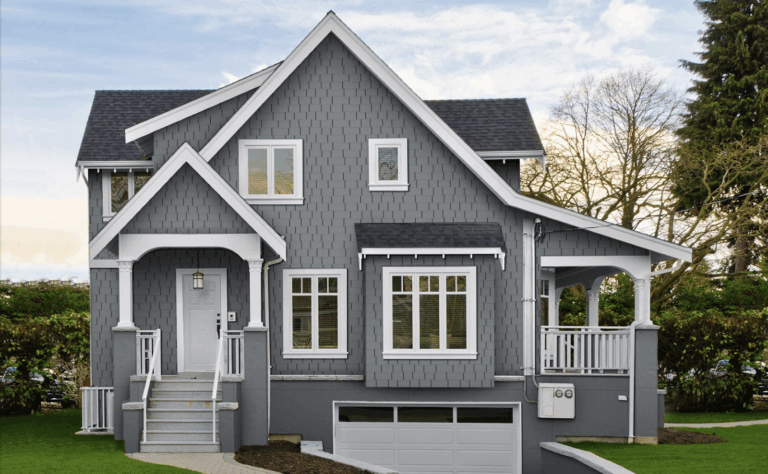
Stucco offers unique textures that are difficult to replicate with other siding types, making it ideal for homeowners seeking a timeless look. Fiber cement provides a broader range of styles and can convincingly mimic wood, stone, or stucco finishes.
Real-World Examples of Stucco and Fiber Cement Applications
1. James Hardie Fiber Cement Siding
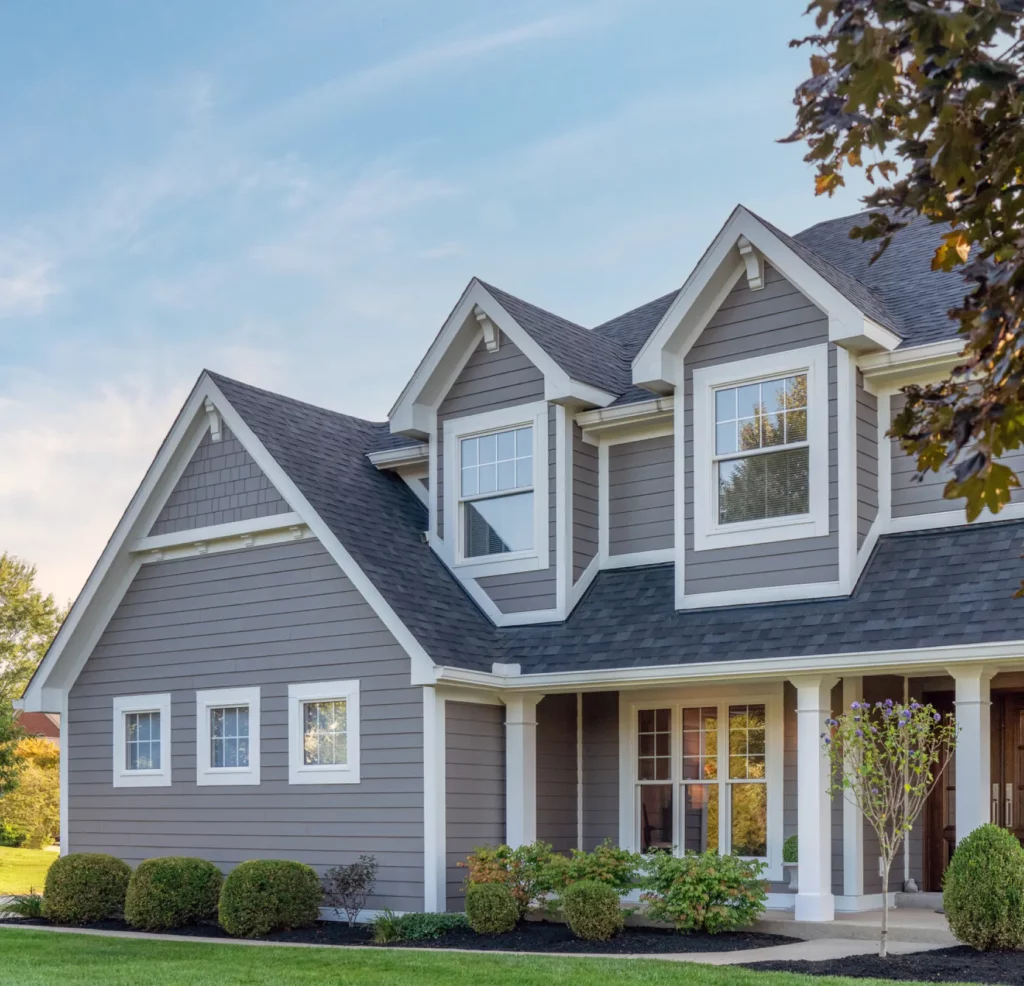
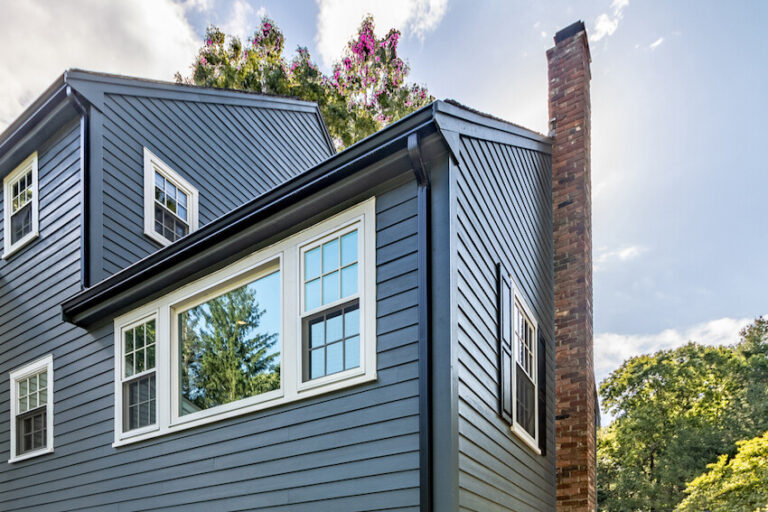
James Hardie is the most recognized brand for fiber cement siding. Their HardiePlank lap siding offers homeowners a wood-like appearance without the risk of termites or rot. This product is ideal for families living in regions with fluctuating climates, as it resists warping and cracking even under harsh conditions. The baked-on color technology ensures long-lasting vibrancy, reducing the need for frequent repainting.
2. Traditional Stucco in Southwestern Homes
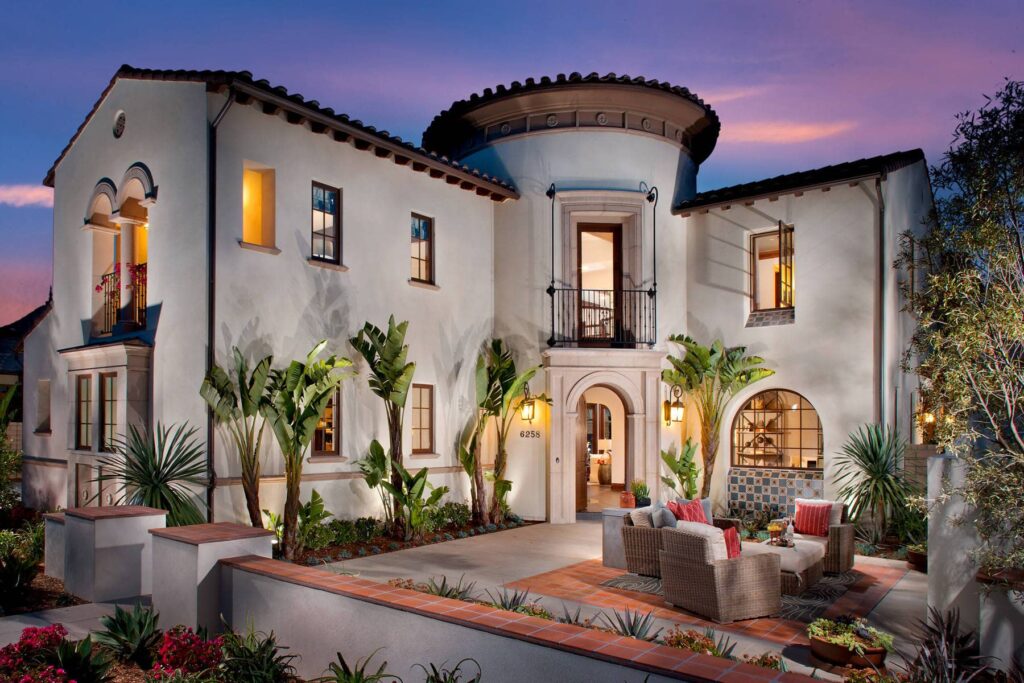
In states like Arizona and New Mexico, stucco siding is a cultural and architectural staple. Its natural ability to reflect heat makes it perfect for hot, arid environments. The textured finish complements the desert landscape and adds character to residential designs. However, homeowners in these areas must ensure proper sealing to prevent cracking due to thermal expansion.
3. Nichiha Fiber Cement Panels
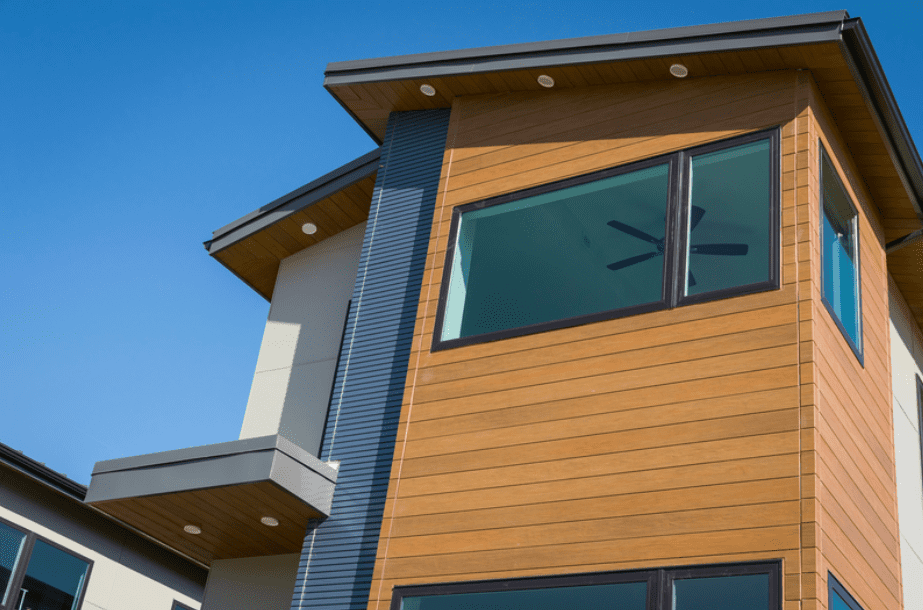
Nichiha produces fiber cement panels that appeal to modern architecture. These panels can mimic metal, stone, or stucco, offering flexibility for contemporary designs. Their application in urban housing projects demonstrates the versatility of fiber cement in achieving both durability and modern aesthetics.
4. Stucco with Acrylic Finish
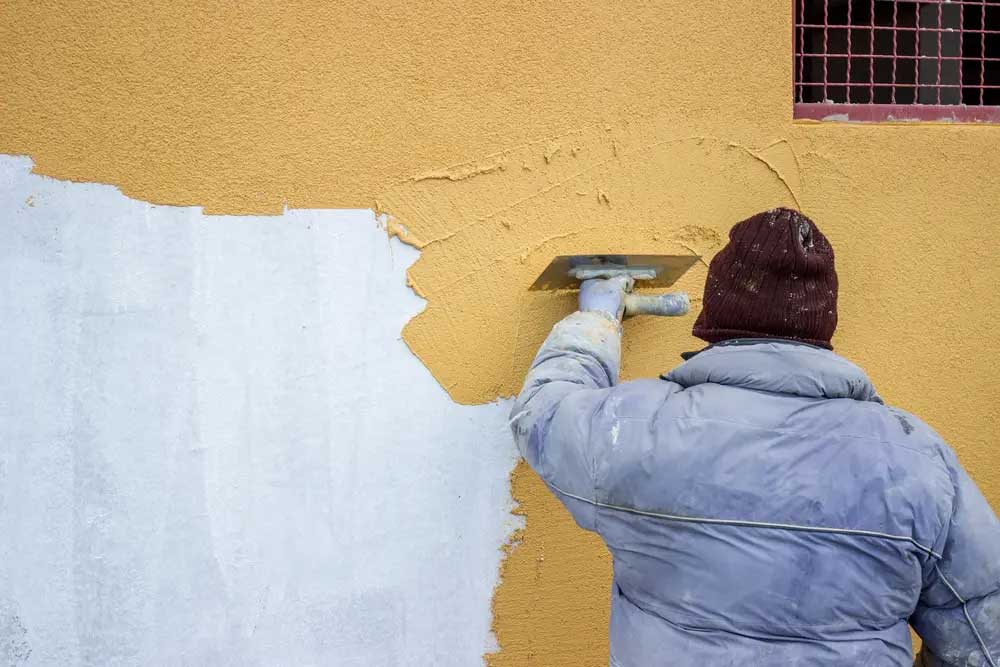
Acrylic-modified stucco provides enhanced flexibility and water resistance compared to traditional stucco. It is commonly used in areas prone to freeze-thaw cycles. The acrylic finish also allows for a wider variety of colors, giving homeowners more design freedom while maintaining stucco’s textured charm.
Benefits of Choosing the Right Siding
Long-Term Energy Efficiency
Both stucco and fiber cement can improve a home’s energy performance, but in different ways. Stucco’s dense layers add thermal mass, keeping interiors cooler in hot climates. Fiber cement, when paired with insulated backing, enhances energy efficiency across all seasons.
Protection Against Harsh Weather
Fiber cement siding provides superior resistance against moisture, making it suitable for coastal or rainy environments. Stucco, while resilient, is best suited for drier climates where its cracking risk is minimized.
Increased Home Value
Both siding types can enhance property value, but fiber cement often delivers a higher return on investment due to its longevity, versatility, and lower maintenance requirements. Stucco’s timeless appeal, however, remains attractive in regions where it aligns with traditional architecture.
Use Cases: When to Choose Stucco or Fiber Cement
Case 1: Homes in Arid Climates
Stucco is the better option for dry regions with minimal rainfall. Its natural insulation properties help reduce cooling costs, while its traditional appearance enhances curb appeal in desert or Mediterranean-style settings.
Case 2: Coastal or Humid Environments
Fiber cement siding is a smarter choice for homes near the ocean or in regions with high humidity. Its resistance to salt, moisture, and pests makes it more durable than stucco in these conditions.
Case 3: Modern and Versatile Designs
Homeowners who want flexibility in appearance often prefer fiber cement. With its ability to mimic various materials, it allows for diverse architectural styles without compromising durability.
Frequently Asked Questions
Q1. Which siding lasts longer, stucco or fiber cement?
Both can last decades with proper care, but fiber cement typically has a longer lifespan due to its resistance to cracking, moisture, and pests. Stucco can last 50+ years in dry climates but may require frequent repairs in wet environments.
Q2. Is fiber cement more expensive than stucco?
Yes, fiber cement generally has a higher upfront cost. However, it often proves more cost-effective over time because it requires less maintenance and resists environmental damage better than stucco.
Q3. Can stucco and fiber cement siding be combined on the same home?
Yes, many homeowners combine both materials to achieve a unique aesthetic. For example, stucco may be used on upper stories or accents, while fiber cement provides durability for lower walls exposed to harsher conditions.