Sustainable Roofing Options 2025 Eco-Friendly Materials and Smart Choices for Modern Homes
Sustainability is no longer a trend-it’s a necessity. As climate concerns grow and homeowners seek greener lifestyles, roofing has become a critical part of sustainable home design. In 2025, sustainable roofing options will have advanced to combine eco-friendliness, durability, and energy efficiency, helping homeowners reduce their environmental impact while saving money on energy costs.
This article explores the latest eco-friendly roofing solutions, their benefits, real-world examples, and how they solve common problems in modern construction.
Understanding Sustainable Roofing in 2025
What Makes a Roof Sustainable?
A sustainable roof is designed to minimize environmental impact throughout its lifecycle. This includes the raw materials used, the manufacturing process, installation methods, durability, and recyclability. Unlike traditional asphalt shingles, which contribute to landfill waste, eco-friendly roofing options focus on longevity and reusability.
Key elements of sustainability in roofing include:
-
Use of renewable or recyclable materials.
-
High energy efficiency through insulation or reflective properties.
-
Long-lasting performance with minimal maintenance.
-
Compatibility with renewable energy systems like solar panels.
The Growing Demand for Eco-Friendly Roofing
The shift toward sustainable roofing is driven by rising energy costs, stricter building regulations, and consumer awareness of climate change. In 2025, builders and homeowners prioritize materials that not only look good but also offer measurable long-term benefits. Green roofs, recycled shingles, and solar-integrated options are now becoming mainstream in both residential and commercial construction.
Popular Sustainable Roofing Options for 2025
Green Roofs (Living Roofs)
Green roofs are covered with vegetation planted over a waterproofing membrane. They offer natural insulation, reduce stormwater runoff, and enhance biodiversity in urban areas. In 2025, green roof systems will have become more efficient, using lightweight soil and modular trays that simplify installation and maintenance.
They are particularly effective in cities where heat island effects increase local temperatures. By providing natural cooling, green roofs reduce the need for air conditioning and improve air quality.
Solar Roofing Systems
Solar roofs go beyond panels mounted on top of shingles. In 2025, solar roofing tiles are designed as fully integrated materials, blending aesthetics with renewable energy generation. These advanced solar shingles are slimmer, more efficient, and more affordable compared to earlier versions.
Solar roofing reduces reliance on fossil fuels while cutting electricity bills, making it one of the most attractive sustainable roofing choices.
Recycled and Composite Shingles
Recycled shingles are made from materials like rubber, plastics, and reclaimed asphalt. Composite shingles mimic the look of natural materials like wood or slate but are lighter, more durable, and eco-friendly. In 2025, manufacturers have refined production methods, ensuring that recycled shingles meet or exceed traditional roofing in strength and lifespan.
This option not only reduces landfill waste but also provides homeowners with a low-maintenance, affordable, sustainable roofing material.
Real-World Examples of Sustainable Roofing Options
1. Tesla Solar Roof (Solar Roofing)
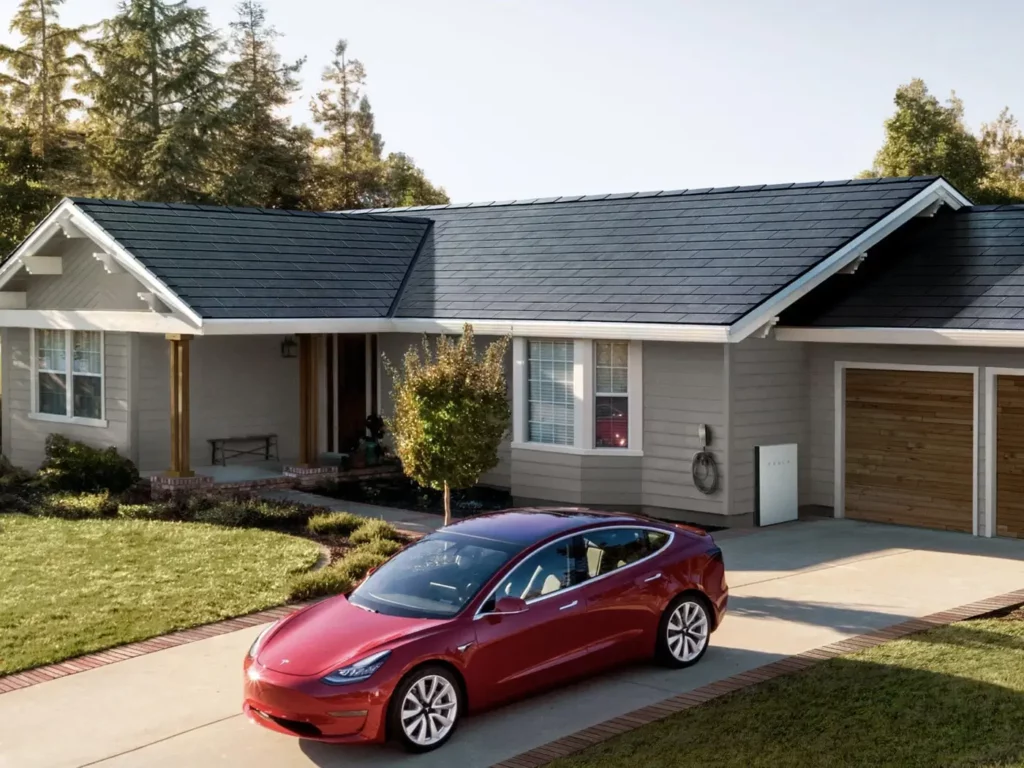
Tesla Solar Roof has evolved by 2025 to offer higher efficiency and easier integration with smart home systems. Its shingles double as energy-generating units, removing the need for bulky solar panels. This innovation provides homeowners with renewable energy while maintaining a sleek, modern look.
The relevance lies in its dual purpose: offering both protection and renewable energy, significantly reducing carbon footprints while saving on electricity.
2. ZinCo Green Roof Systems (Living Roofs)
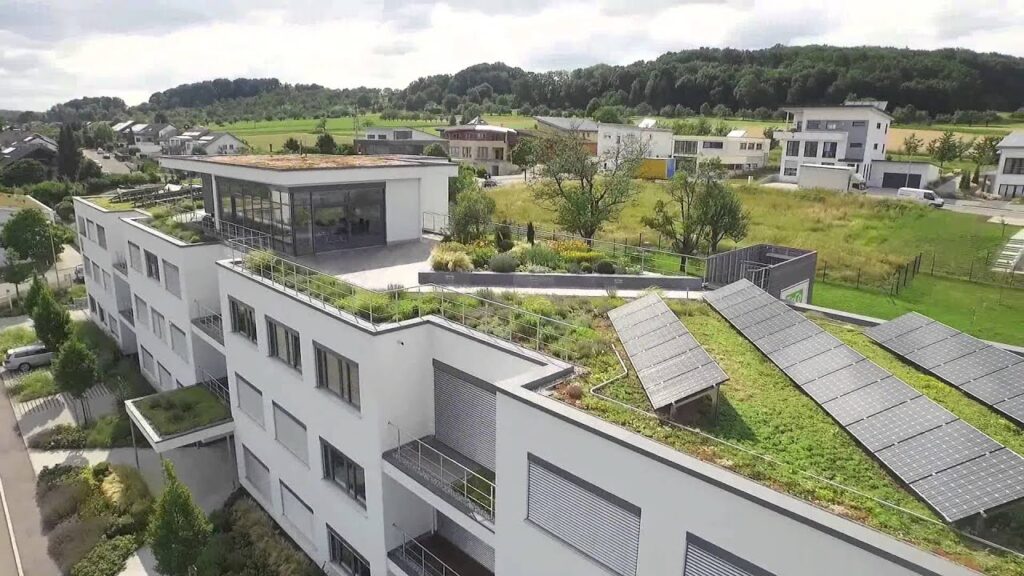
ZinCo, a pioneer in green roof technology, offers modular systems that adapt to residential and commercial buildings. By 2025, ZinCo will have improved water retention capabilities, promoting sustainable stormwater management. Their systems encourage biodiversity by creating habitats for pollinators and birds.
This solution is relevant because it addresses urban environmental challenges, such as excessive heat and poor air quality, while also enhancing aesthetic value.
3. EcoStar Recycled Synthetic Slate (Recycled Shingles)
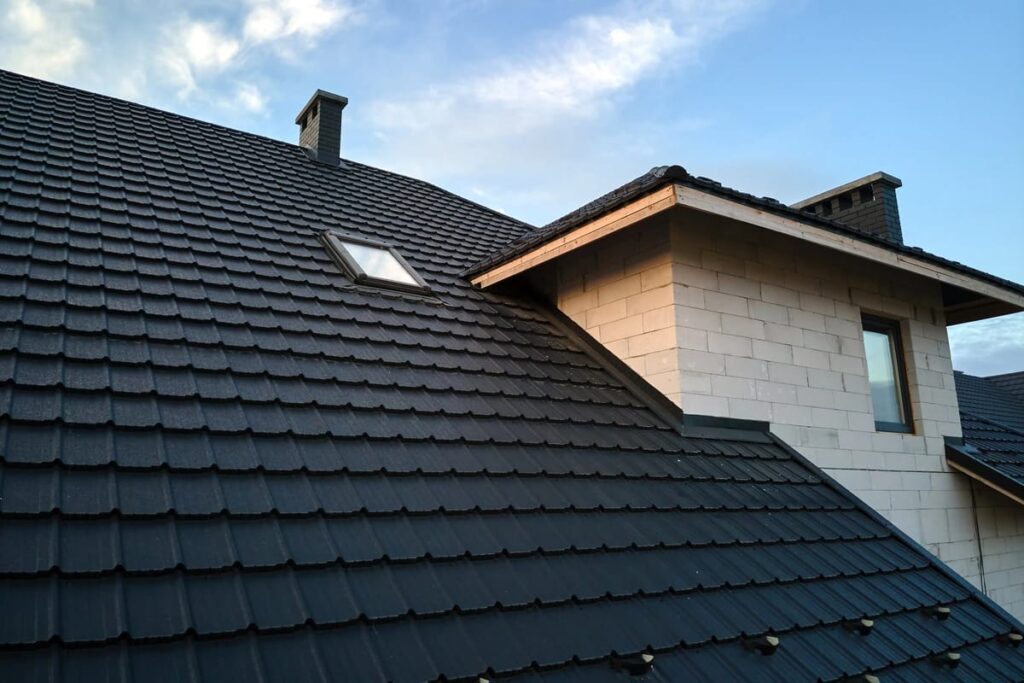
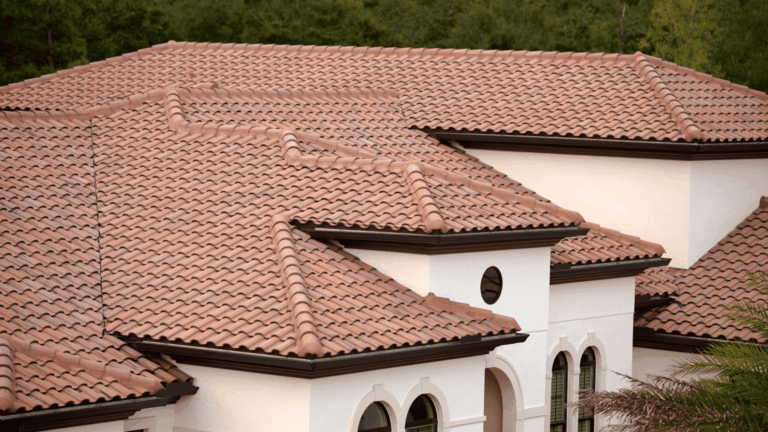
EcoStar specializes in recycled roofing products that mimic natural slate. Their products in 2025 are lightweight, highly durable, and available in various colors. They provide the premium look of slate without the environmental cost of quarrying.
The relevance is in combining classic style with modern sustainability. Homeowners can achieve elegance while reducing waste and extending roof lifespan.
4. GAF Timberline Solar (Solar Roofing)
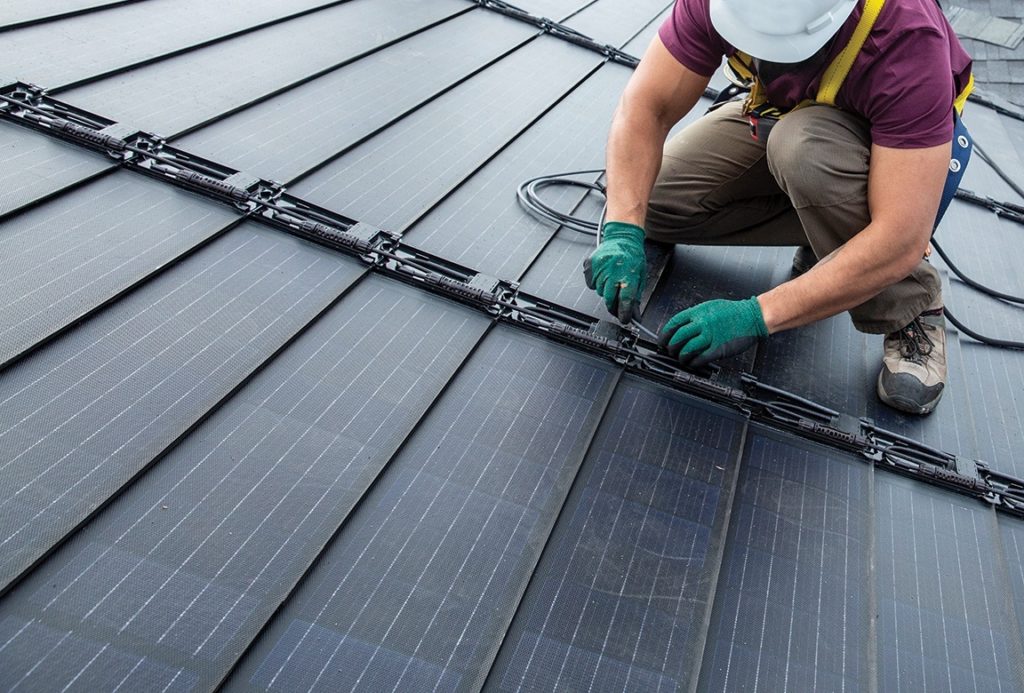
GAF Timberline Solar is another strong example of integrated solar roofing. It features solar shingles that install like traditional roofing, blending seamlessly while generating clean energy. By 2025, it is recognized for its affordability and efficiency, making solar roofing more accessible to a broader market.
This product demonstrates how technology has made sustainable roofing practical, cost-effective, and stylish.
Benefits of Sustainable Roofing
Environmental Benefits
Sustainable roofing reduces carbon emissions by lowering energy consumption, reusing materials, and promoting renewable energy. Green roofs filter pollutants, solar roofs cut fossil fuel reliance, and recycled shingles reduce waste.
Economic Benefits
Although eco-friendly roofing may cost more upfront, the long-term savings are significant. Homeowners save on energy bills, reduce maintenance costs, and enjoy longer lifespans compared to traditional roofs. Sustainable roofs also add property value, making them a smart investment.
Health and Comfort Benefits
Green roofs improve air quality, reduce noise pollution, and regulate indoor temperatures naturally. Solar roofing ensures reliable energy even during outages. Sustainable Roofing Options 2025. Together, these benefits improve overall quality of life.
Practical Use Cases of Sustainable Roofing
Urban Residential Buildings
In cities with high heat retention, green roofs mitigate the urban heat island effect. They create cooler environments, reducing demand for air conditioning and contributing to community well-being.
Rural and Suburban Homes
Solar roofing is ideal for suburban or rural homes with high sun exposure. Homeowners gain energy independence, protect themselves from rising utility rates, and lower their environmental footprint.
Commercial Buildings
Large commercial buildings benefit from green or recycled roofing materials. Green roofs reduce stormwater runoff, meeting municipal regulations, while recycled shingles offer durable, low-maintenance solutions at scale.
Climate-Resilient Homes
In regions prone to extreme weather, sustainable roofing like composite shingles withstands harsh conditions better than traditional asphalt, ensuring safety and reliability.
Frequently Asked Questions (FAQ)
Q1: Are sustainable roofing materials more expensive than traditional options?
Yes, the initial cost may be higher, but they provide long-term savings through energy efficiency, durability, and lower maintenance costs. Over time, they often prove more cost-effective.
Q2: Can I install solar shingles on an older home?
Yes, many modern solar roofing systems are designed for retrofitting. However, structural integrity should be evaluated to ensure the roof can support the technology.
Q3: How long do sustainable roofing options last?
Lifespans vary: solar shingles often last 25–30 years, recycled shingles can last 40–50 years, and green roofs can exceed 50 years with proper maintenance.